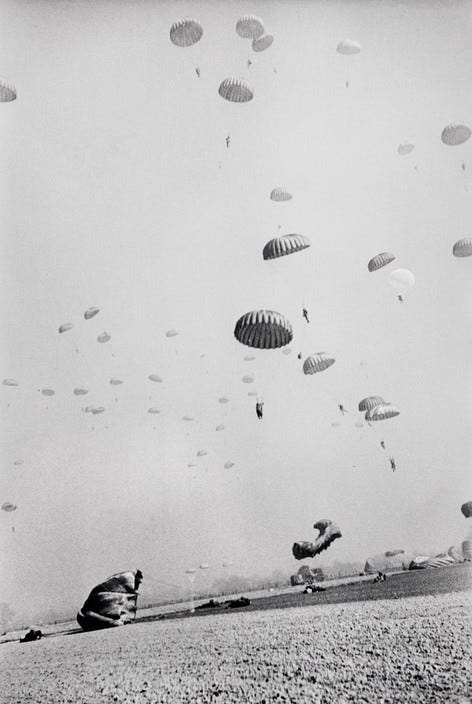
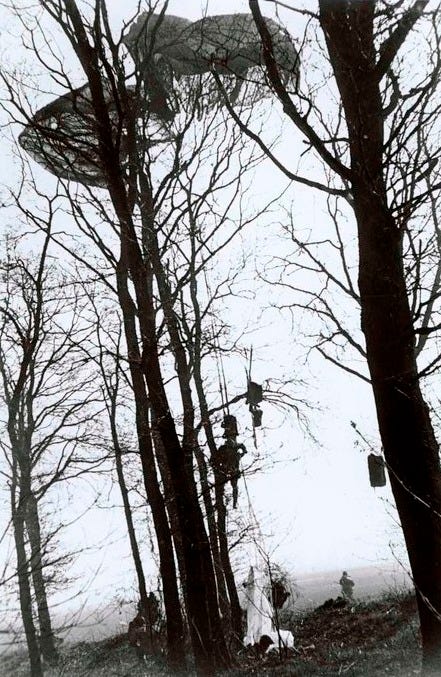
American paratroopers landing in near Wesel. Germany, March 24, 1945 | American paratroopers caught in trees, near Wesel, Germany, March 24, 1945 | & more...
Oct 13, 2025
AS I WAS MOVING AHEAD OCCASIONALLY I SAW BRIEF GLIMPSES OF BEAUTY is a very simple newsletter where I share a collection of creative expressions I enjoyed coming across.
On December 3, 1938, Picture Post introduced “The Greatest War-Photographer in the World: Robert Capa” with a spread of 26 photographs taken during the Spanish Civil War. But the “greatest war-photographer” hated war. Born Andre Friedmann to Jewish parents in Budapest in 1913, he studied political science at the Deutsche Hochschule für Politik in Berlin. Capa settled in Paris in 1933 after being driven out of Germany by the threat of a Nazi regime.
He was represented by Alliance Photo and met the journalist and photographer, Gerda Taro. Together, they invented Robert Capa, the “famous” American photographer, and began to sell his prints under that name. He met Pablo Picasso and Ernest Hemingway, and formed friendships with fellow photographers, David “Chim” Seymour and Henri Cartier-Bresson.
From 1936 onward, Capa’s coverage of the Spanish Civil War appeared regularly. His picture of a Loyalist soldier who had just been fatally wounded earned Capa his international reputation and became a powerful symbol of war.
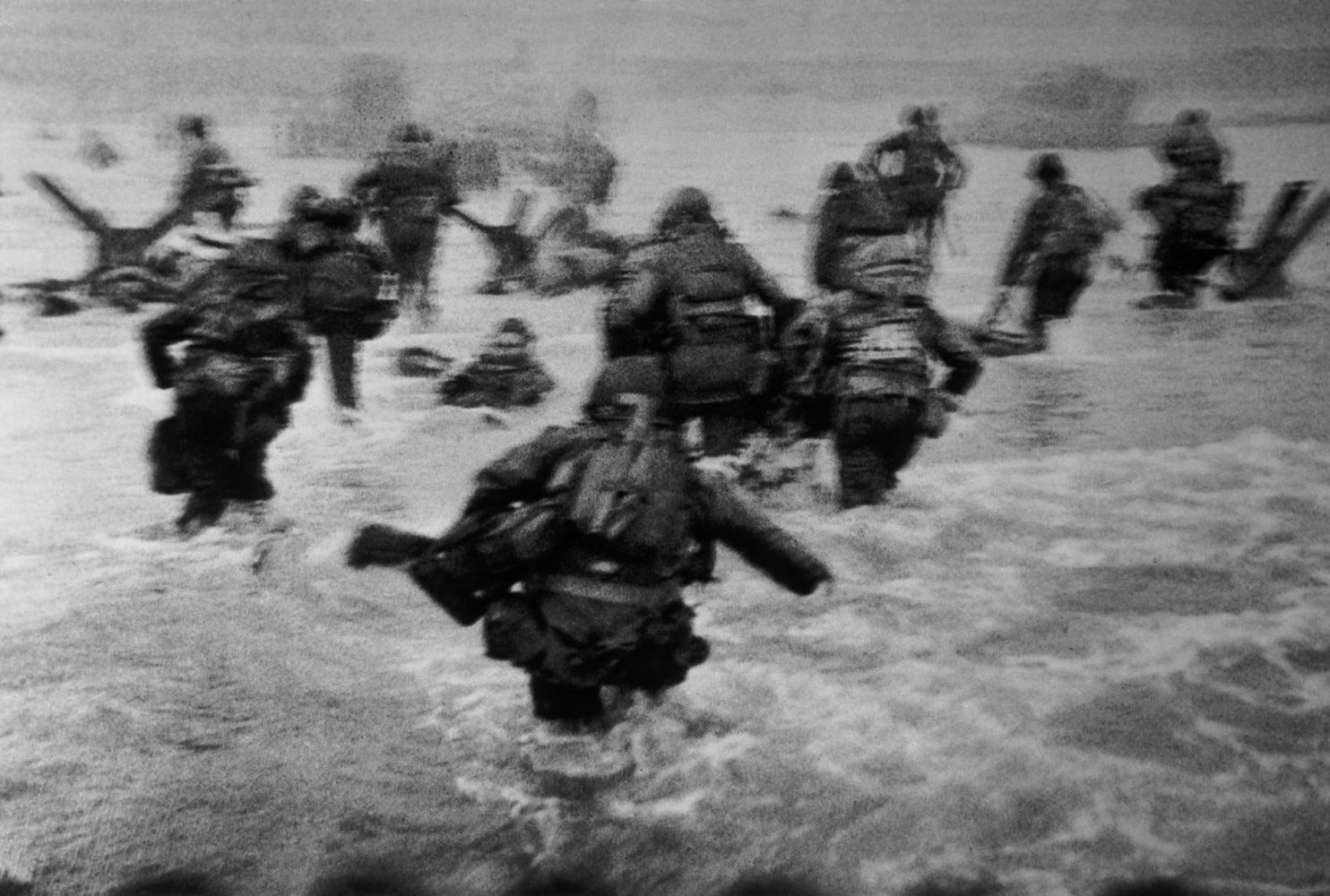
After Taro, who had become his professional partner and companion, was killed in Spain, Capa traveled to China in 1938 and emigrated to New York a year later. As a correspondent in Europe, he photographed the Second World War, covering the landing of American troops on Omaha beach on D-Day, the liberation of Paris, and the Battle of the Bulge.
In 1947, Capa was the driving force behind the founding of Magnum Photos. On May 25, 1954, he was photographing for Life in Thai-Binh, Indochina, when he stepped on a landmine and was killed.
Magnum Photos
Capa’s photography is all about being there, close. His art lay in risking where to be and when, in how he built and conducted the relationships that enabled him to be there, and in how he shaped and presented the narrative of events he witnessed. Without underestimating his talent for making photographs, it hardly mattered if they were ‘slightly out of focus’ if the story in question had the ingredients of myth – of heroism, courage and sacrifice.
Magnum Photos
If your photographs aren’t good enough, you’re not close enough.
Robert Capa
American paratroopers landing in near Wesel. Germany, March 24, 1945
American paratroopers caught in trees, near Wesel, Germany, March 24, 1945
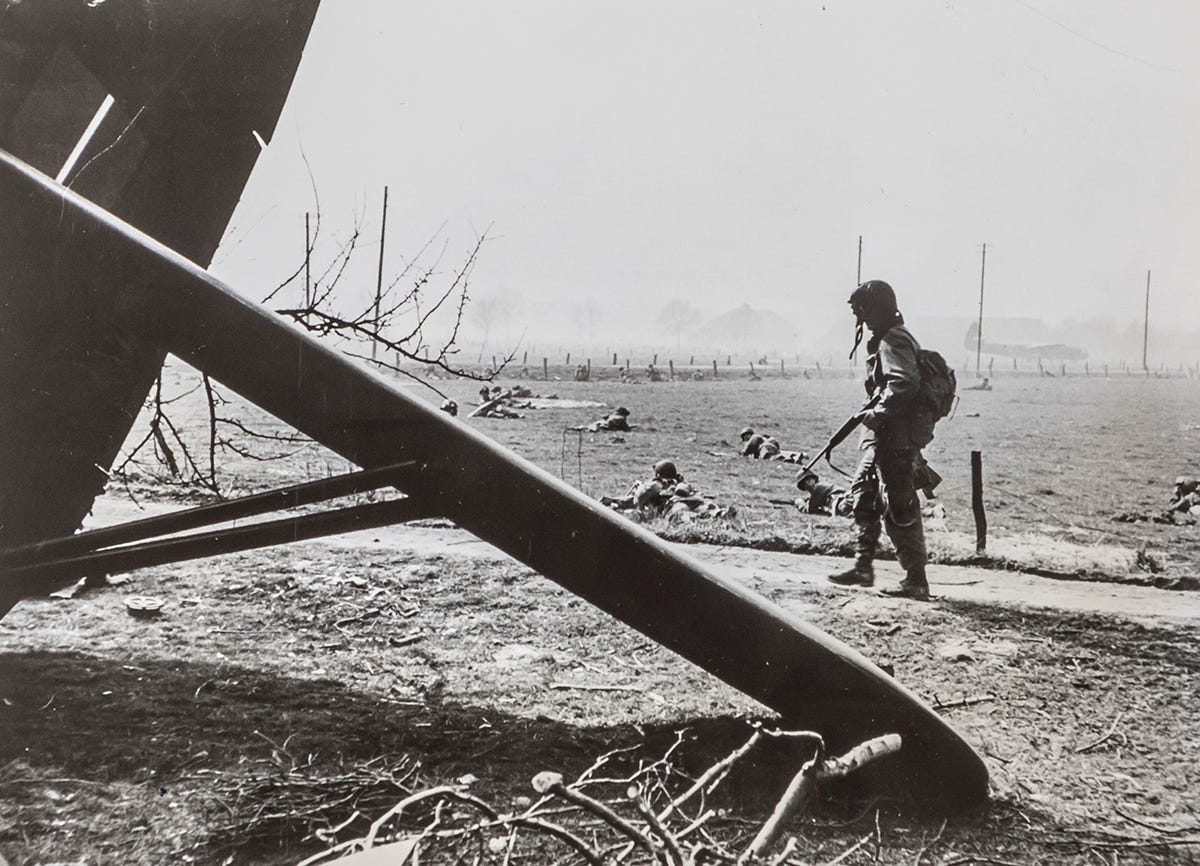
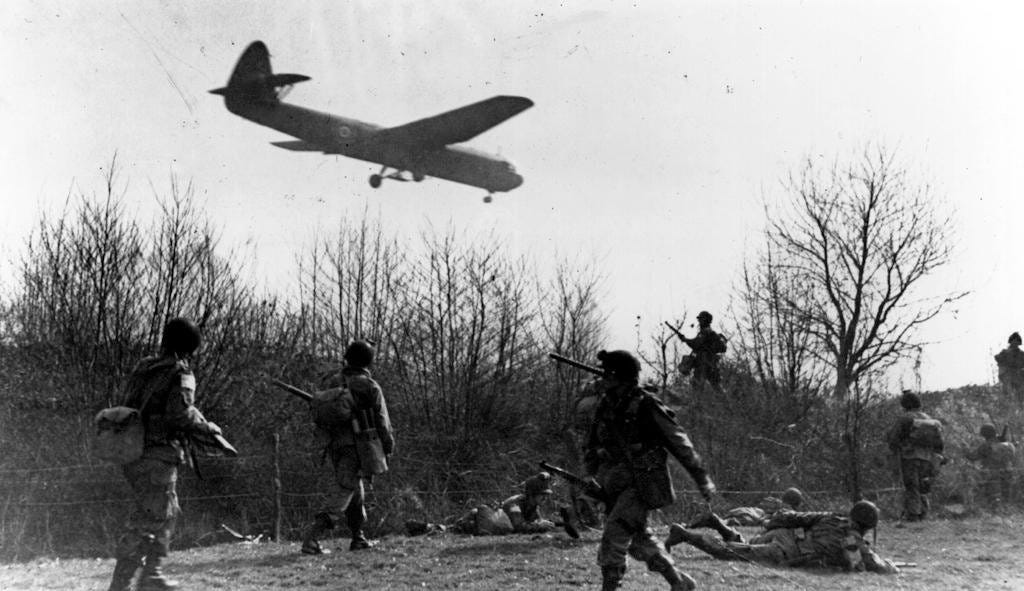
Paratroopers Swell East Rhine Bridgehead, Germany, 1945
American paratroopers, many who had crash-landed in gliders, near Wesel, Germany, March 24, 1945
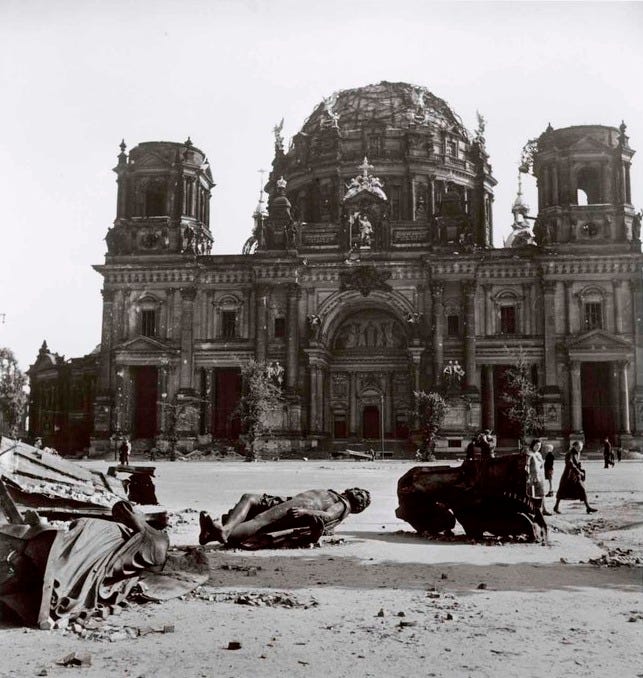
Toppled statues and ruined church, Berlin, Germany, August 1945
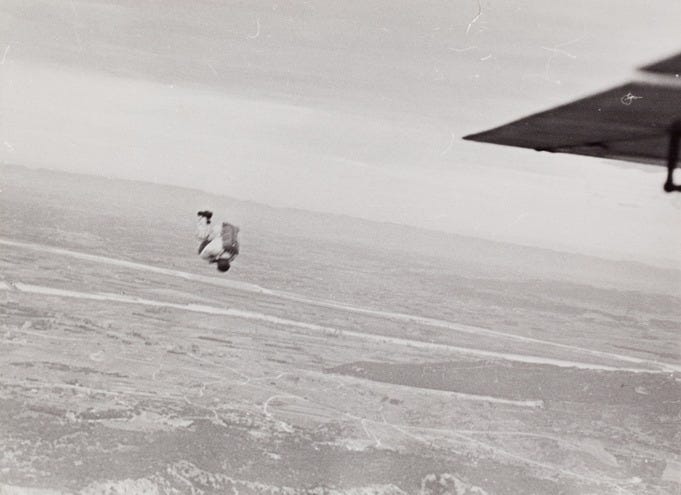
French air force parachute, A man flying through the air before his parachute opens at Paratrooper school in Avignon-Pujaut, France, 1939
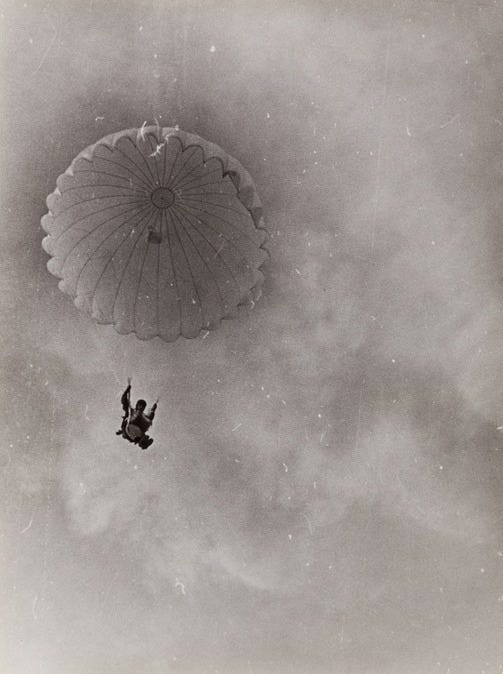
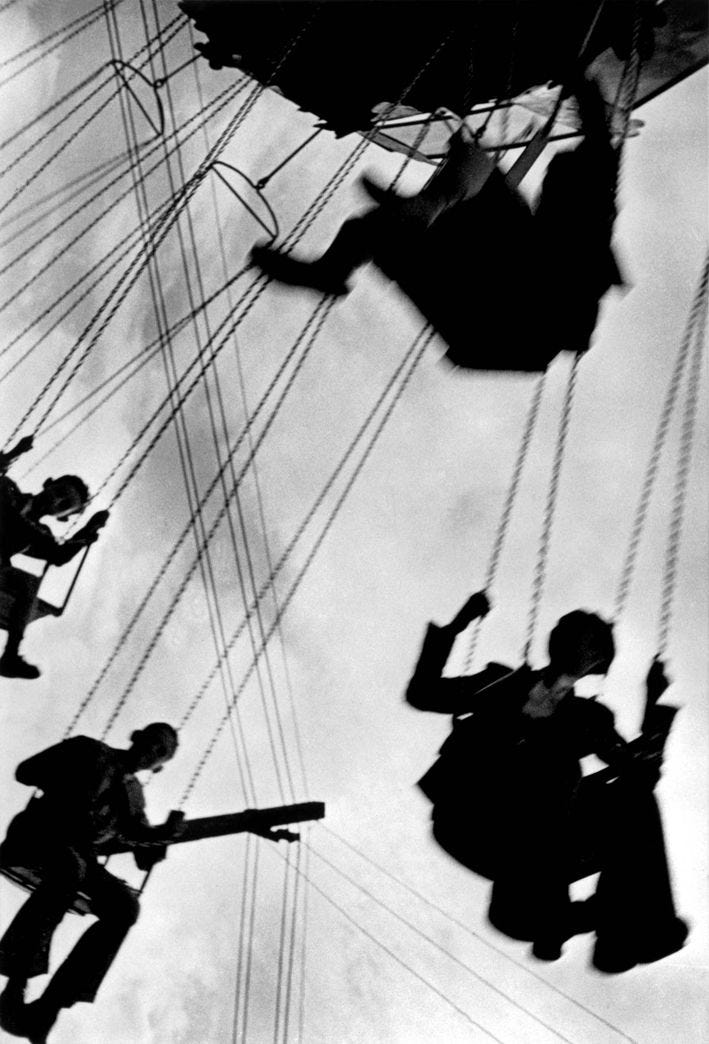
Student makes first jump, Parachute School, Paris, France, Fall 1935
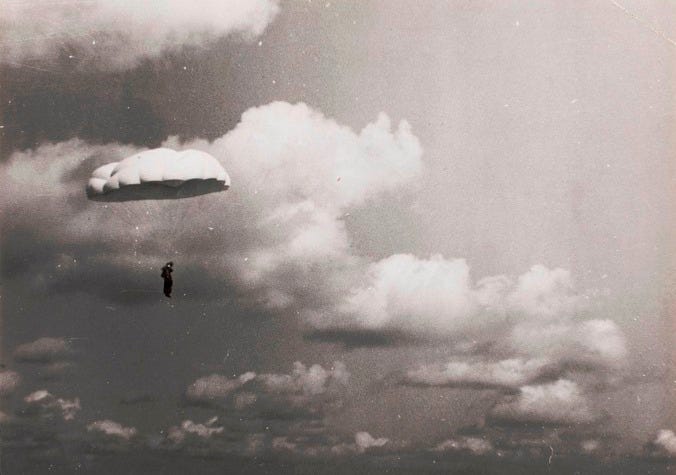
French air force parachute, A parachutist mid jump, parachute released at Paratrooper school in Avignon-Pujaut, France, 1939
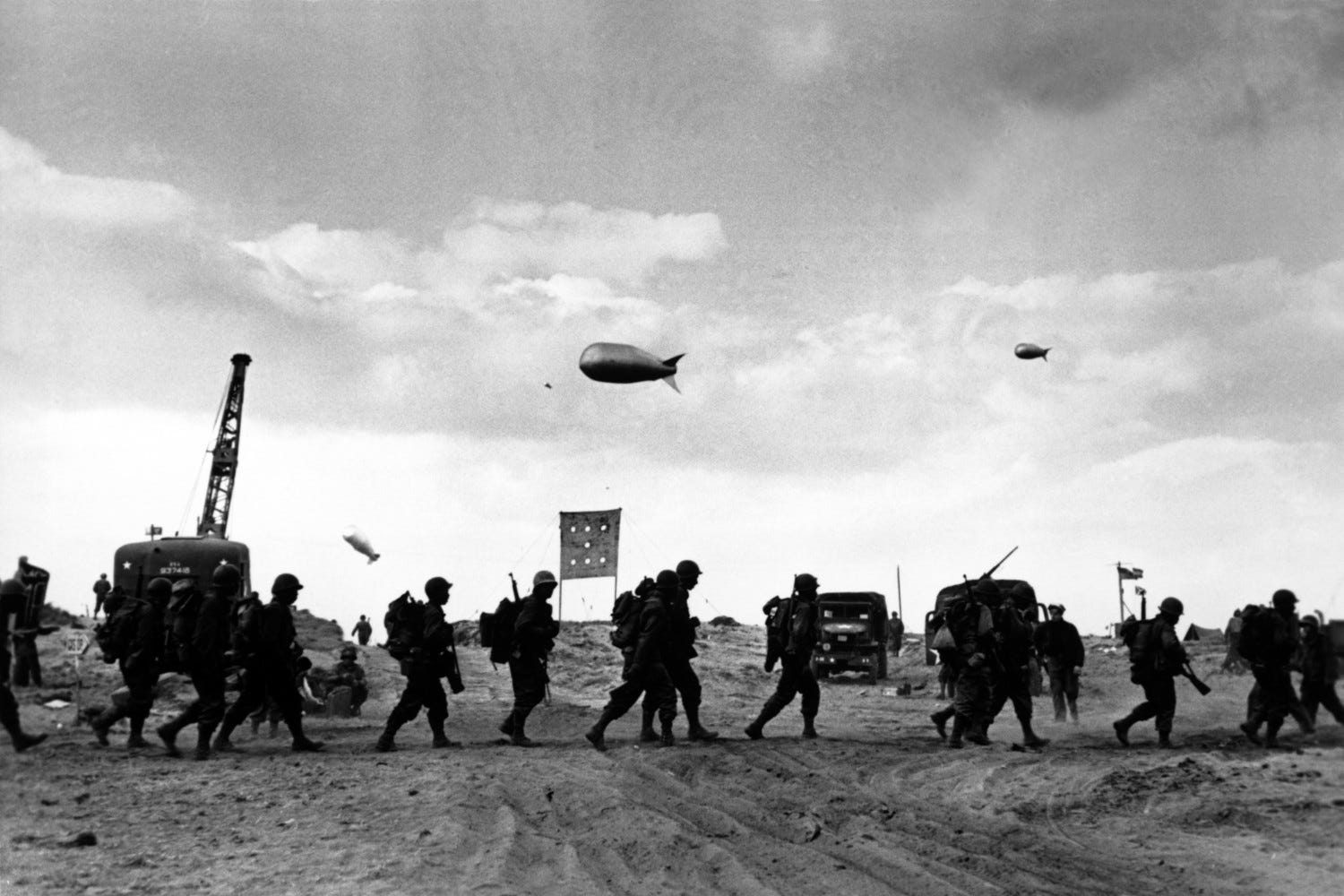
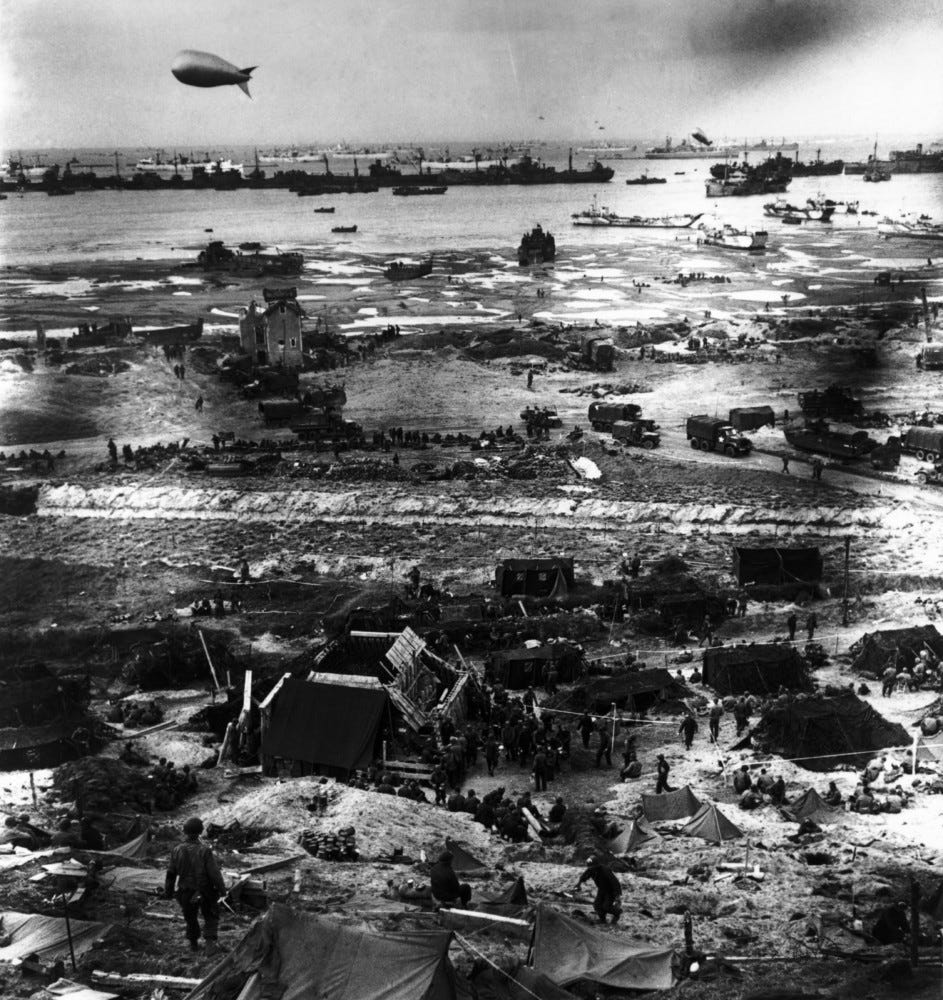
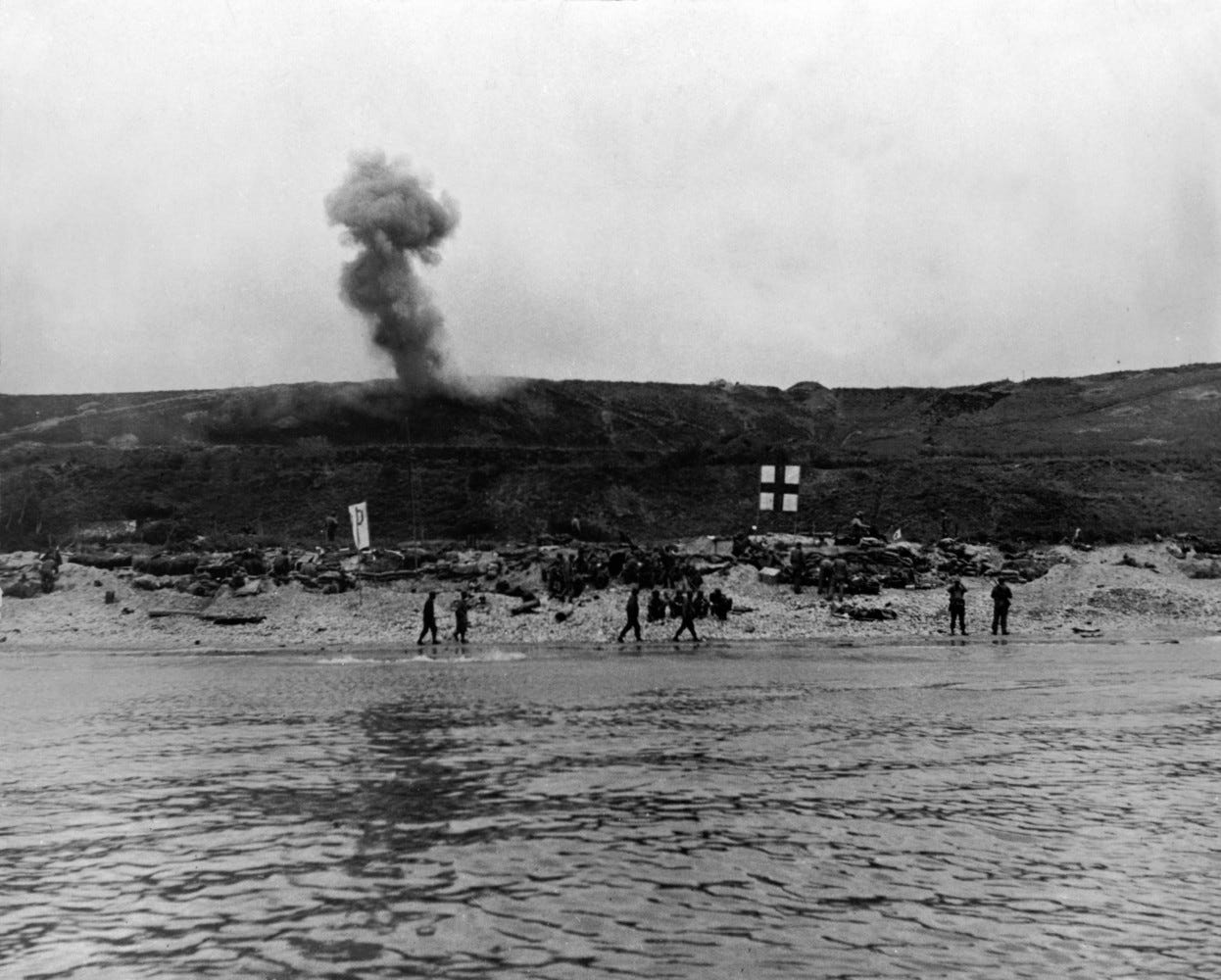
US troops come ashore at Omaha Beach days after the D-Day landings. Normandy, France, June 1944
Omaha Beach days after the D-Day landing. St. Laurent-sur-Mer, Calvados, Normandy, France, June 1944
US troops on Omaha Beach. Normandy, France, June 1944
US troops assault Omaha Beach during the D-Day landings (first assault). Normandy, France, June 6th, 1944
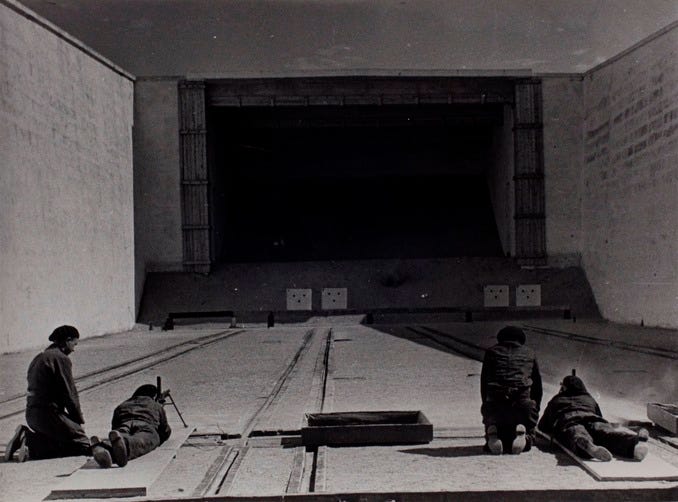
French air school, student-pilot shooting in Istres, France, July-August 1939
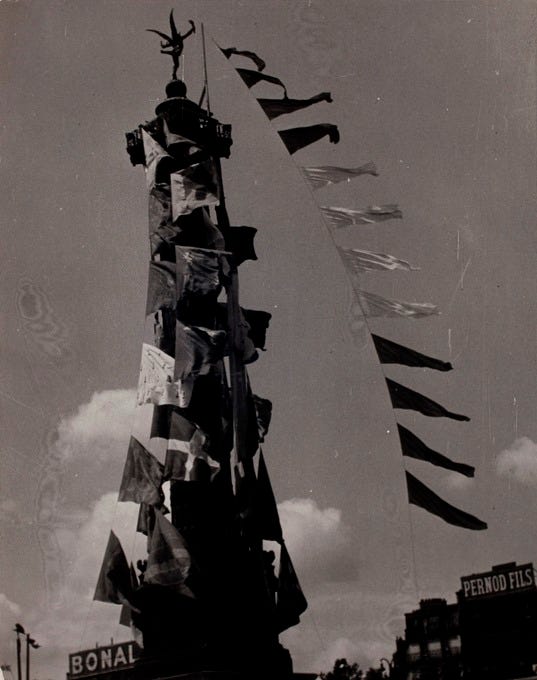
Place de la Bastille, Paris, France, 1936-1937
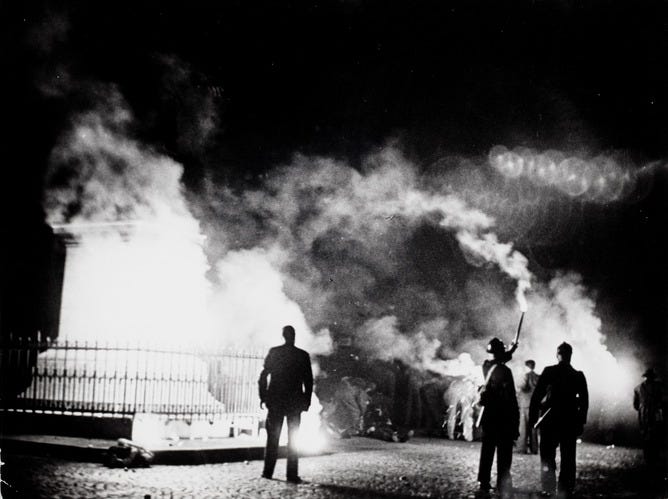
Sparks and smoke during air-raid drill, Paris, France, Oct. 16, 1936
Seville, Spain, 1935
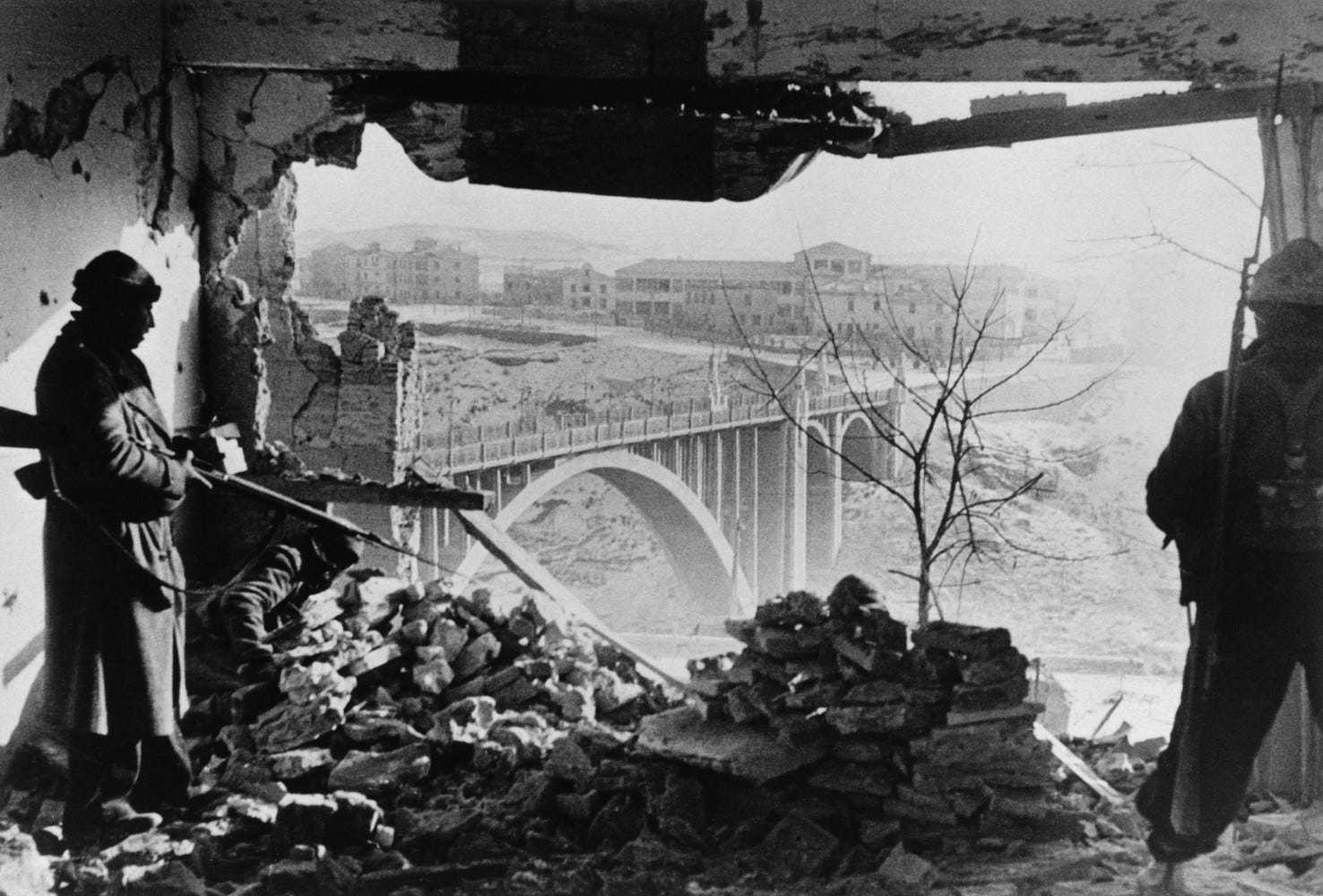
Republican soldiers inside the Governor’s Palace, the last bastion of the Fascist resistance. Earlier that day the Republicans had detonated mines powerful enough to blow away an entire wall. Battle of Teruel, Aragon front, Spain, January 3rd, 1938
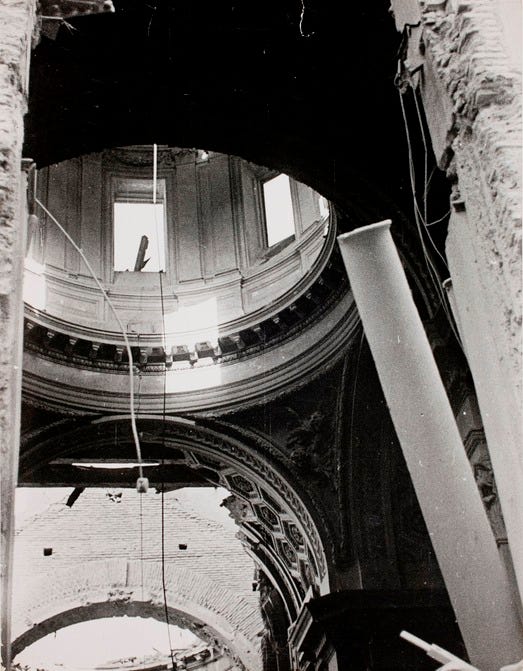
Interior of bombed church, Madrid, Spain, August-September 1936
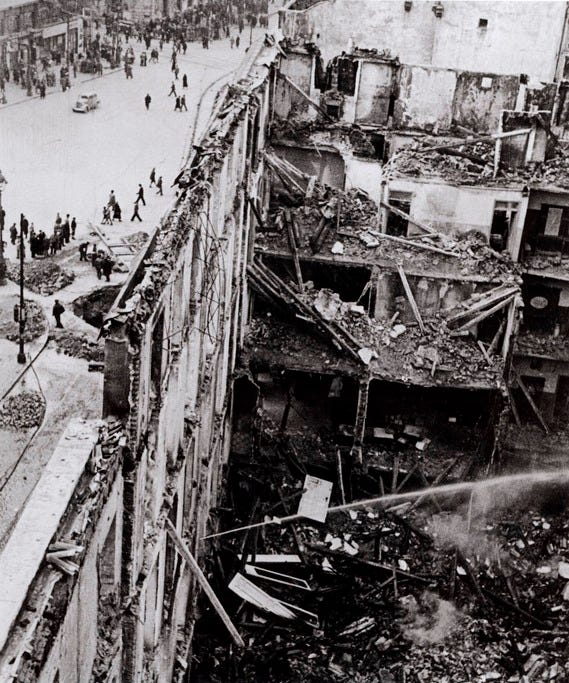
Building destroyed by Nationalist air raids, Madrid, Spain, Winter 1936-1937
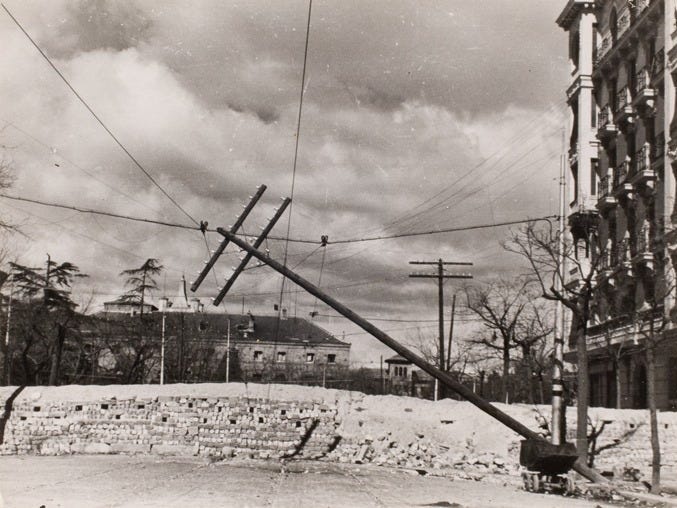
Fallen phone pole, Madrid, Spain, February 1937
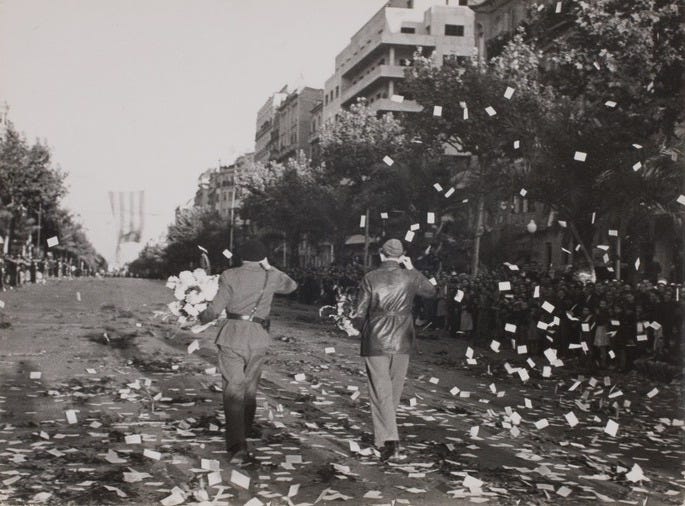
Notes with thanks shower soldiers at farewell parade for the International Brigades, Barcelona, Spain, October 28, 1938
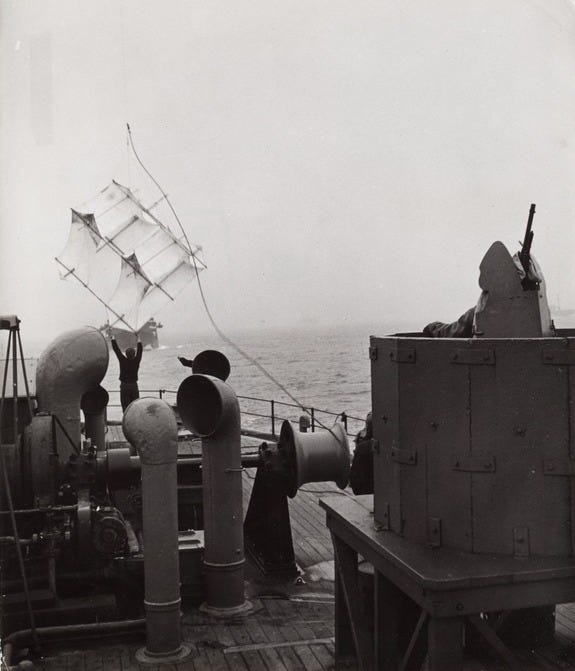
Sailor with kite on a convoy across the Atlantic from the U.S. to England, 1942
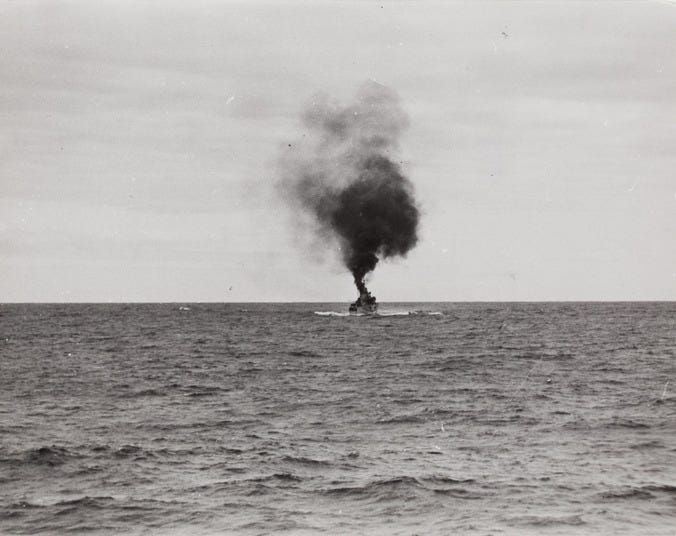
On a convoy across the Atlantic from the U.S. to England, 1942
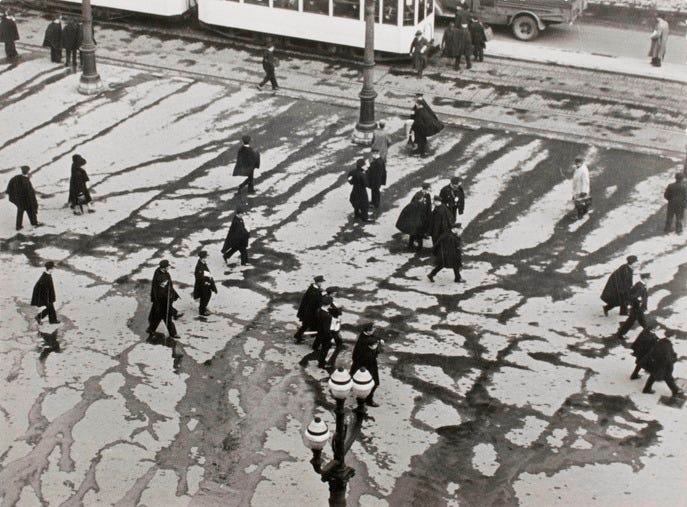
Burgomater Max’s View from the Hôtel de Ville of the square in front of it, police and strollers, trolly, Brussels, Belgium, Spring 1939
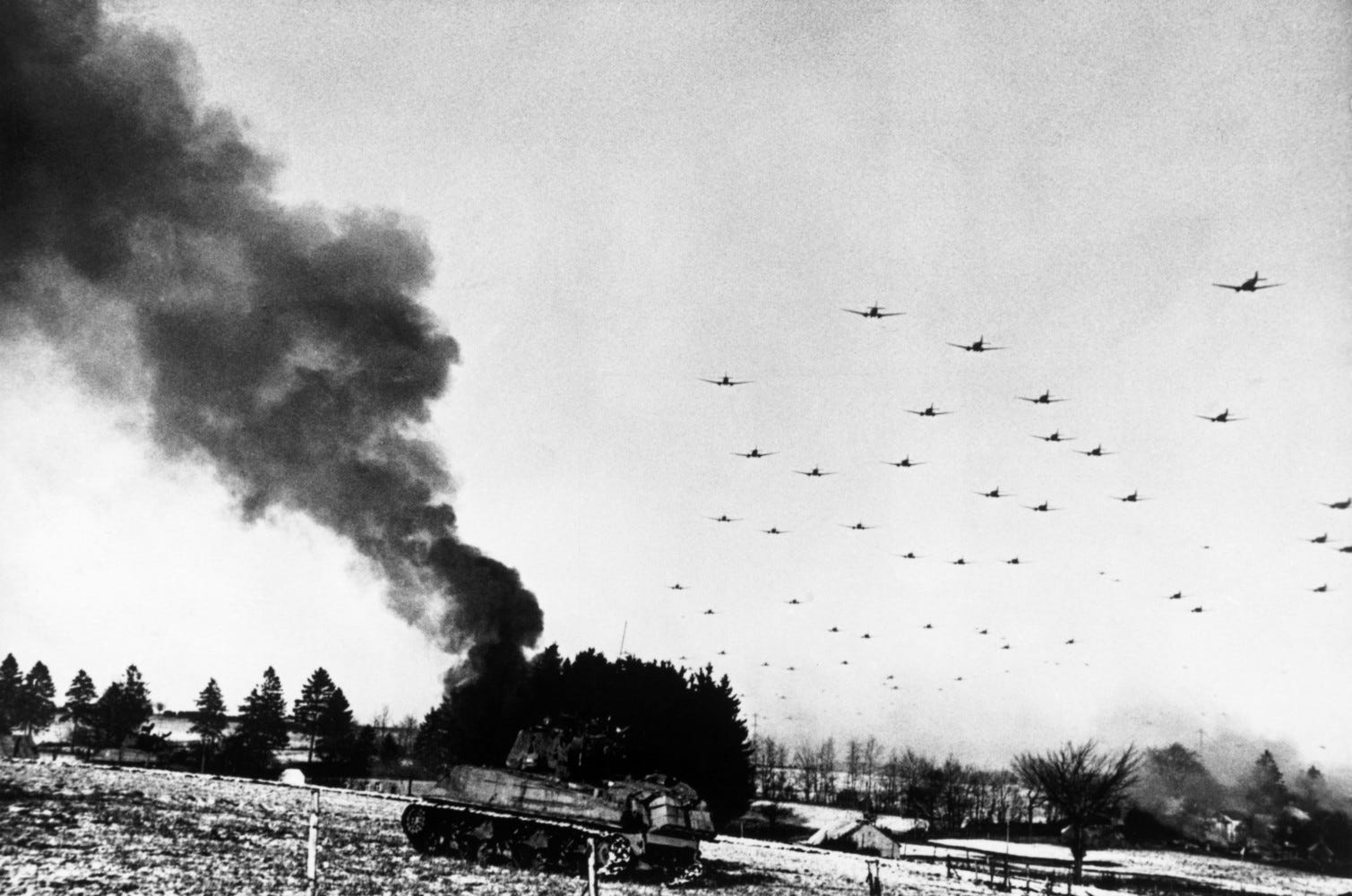
An American tank burns while transport planes fly overhead during the Battle of the Bulge. Near Bastogne. Belgium, December 23-26, 1944
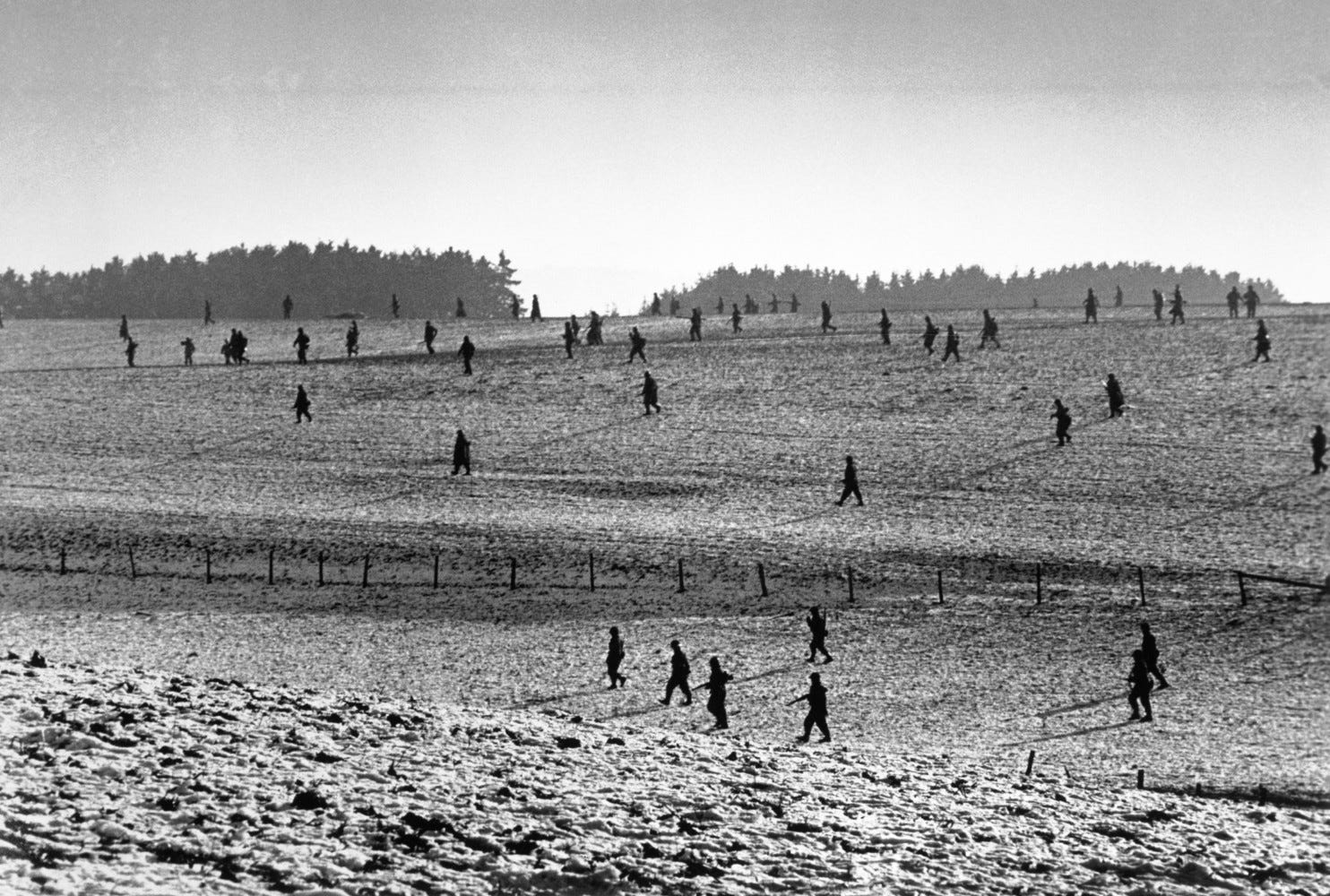
US soldiers during the Battle of the Bulge. Near Bastogne. Belgium, December 23-26, 1944
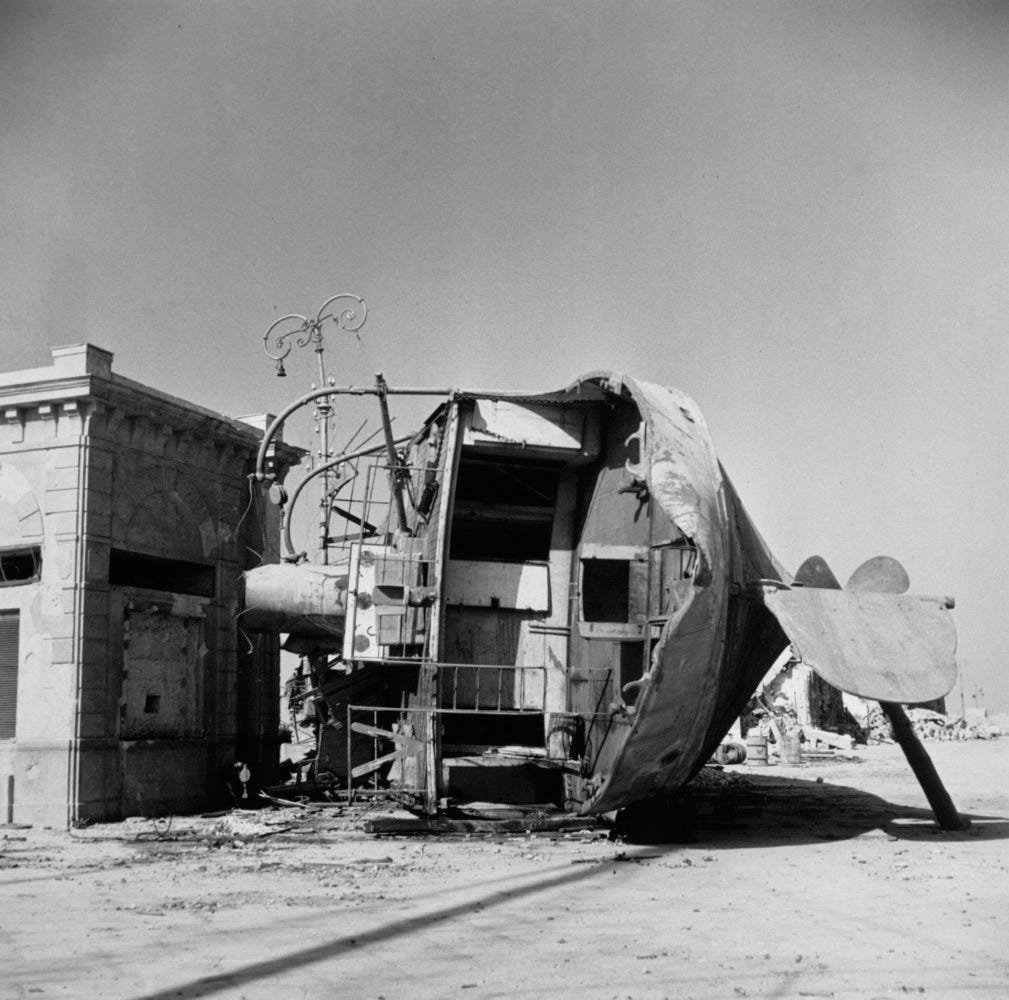
A boat that had been blown out of the water during the Allied air raids. Palermo, Sicily, Italy, July-August 1943
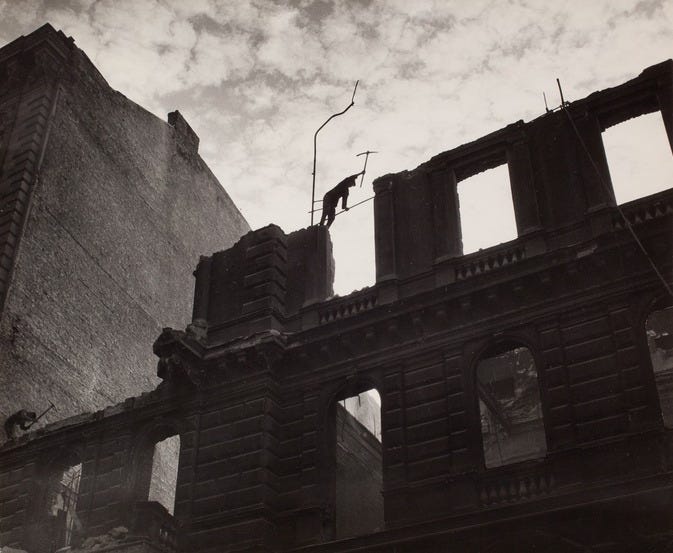
Man working on a hotel destroyed in World War II, Budapest, Hungary, 1948
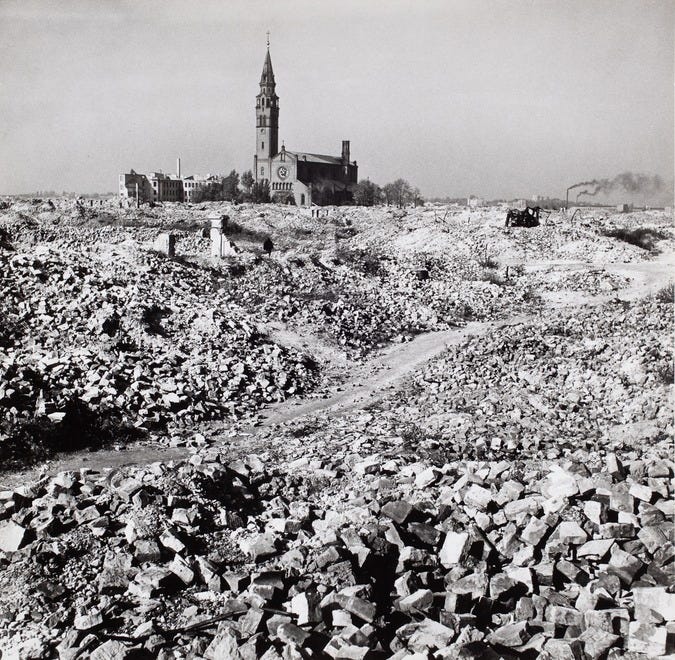
The Catholic church between bricks from the destroyed Jewish Ghetto, Warsaw, Poland, October 1948
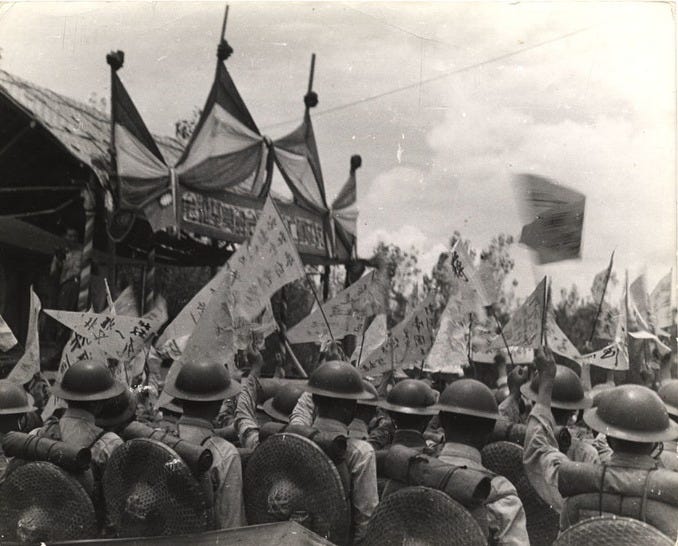
Parade participants, soldiers waving flags and signs at the parade for the 1st Anniversary of the Sino - Japanese War, Hankou, China, 1938
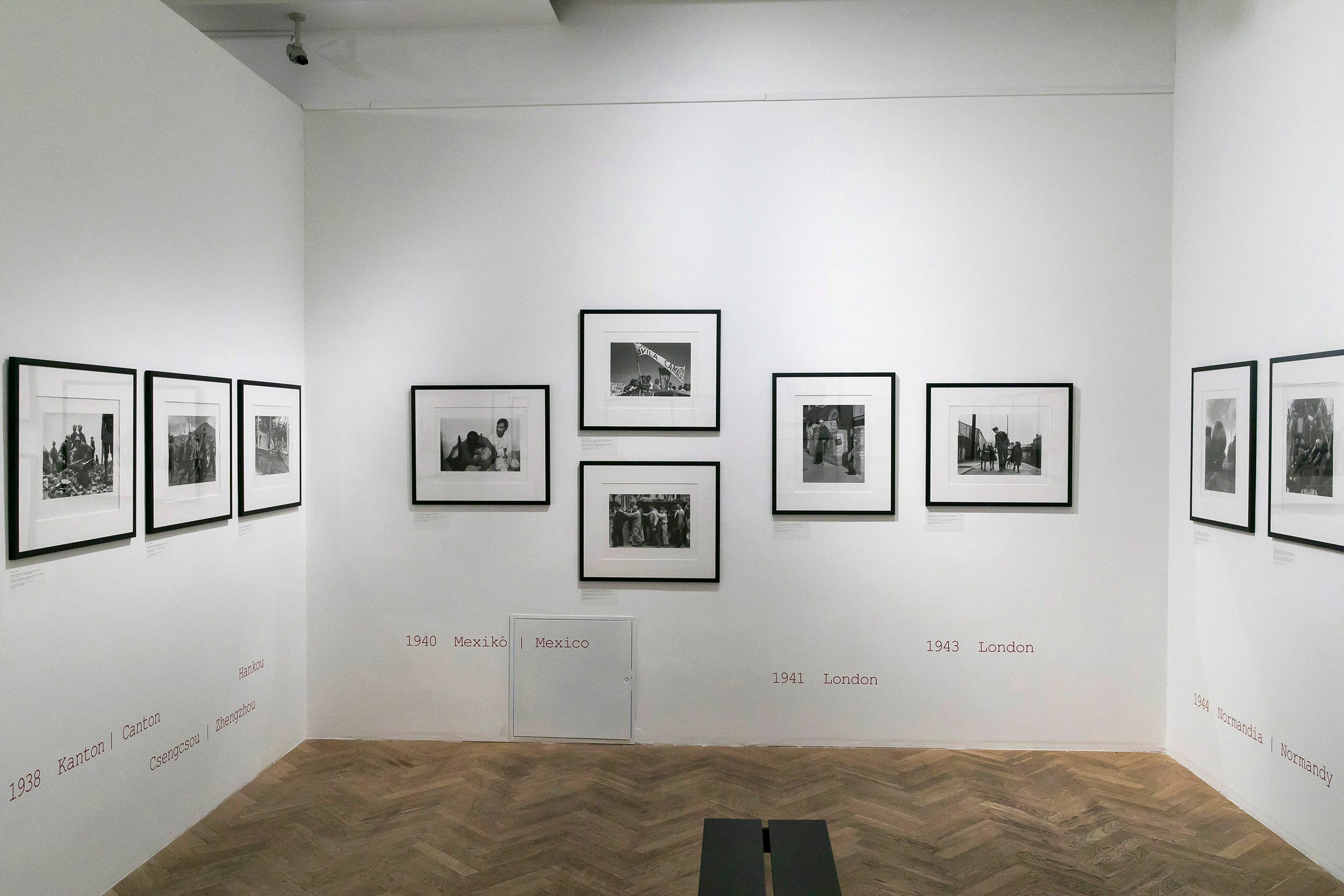
Installation views of the exhibition The Photojournalist Robert Capa II at the Robert Capa Contemporary Photography Center, Budapest, Hungary. Photo: Marcus Bunyan
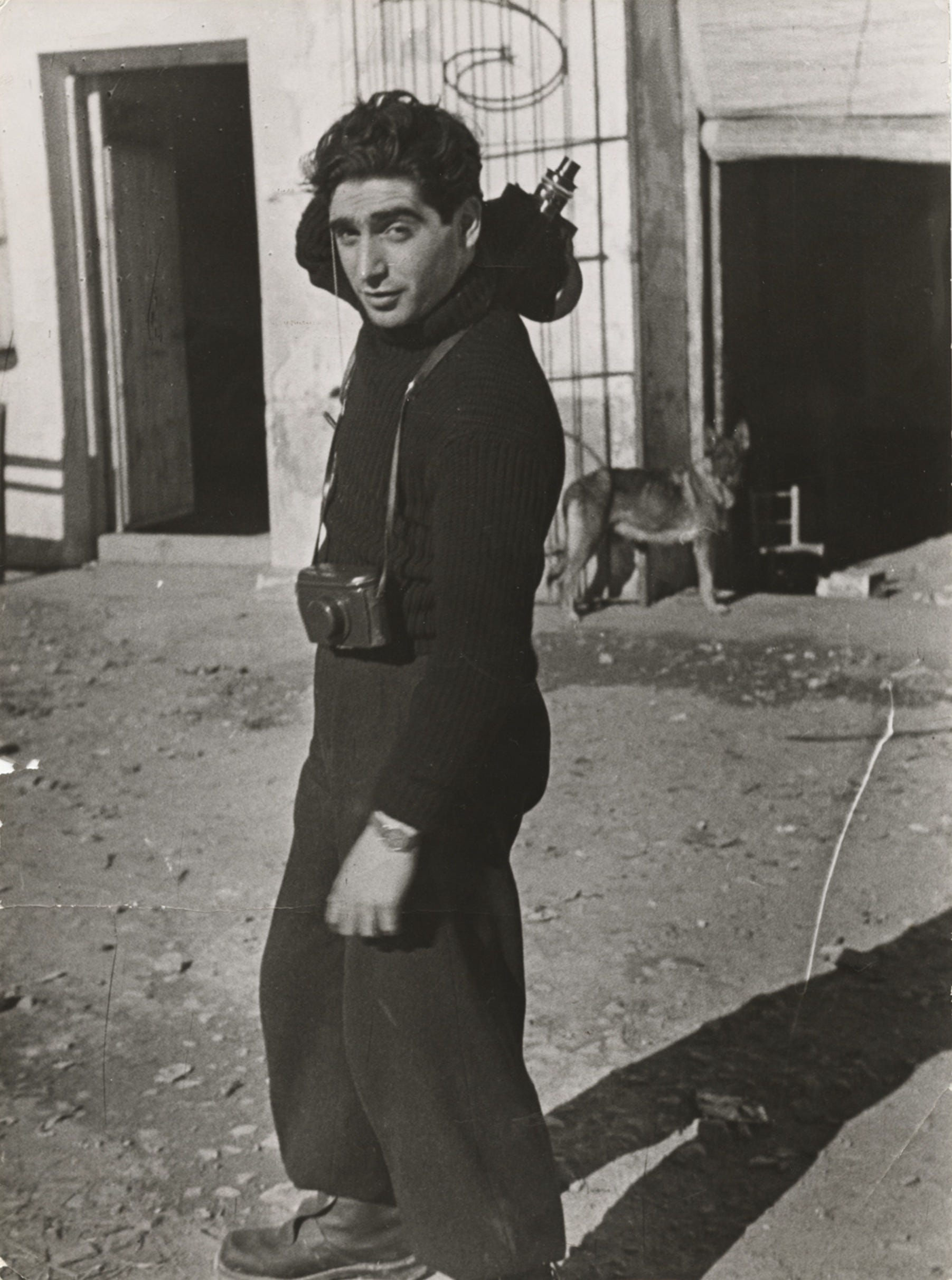
Robert Capa, Segovia front, Spain, 1937. Photo: Gerda Taro