
Constant
New Babylon, 1956-1974
AS I WAS MOVING AHEAD OCCASIONALLY I SAW BRIEF GLIMPSES OF BEAUTY is a very simple newsletter where I share a collection of creative expressions I enjoyed coming across.
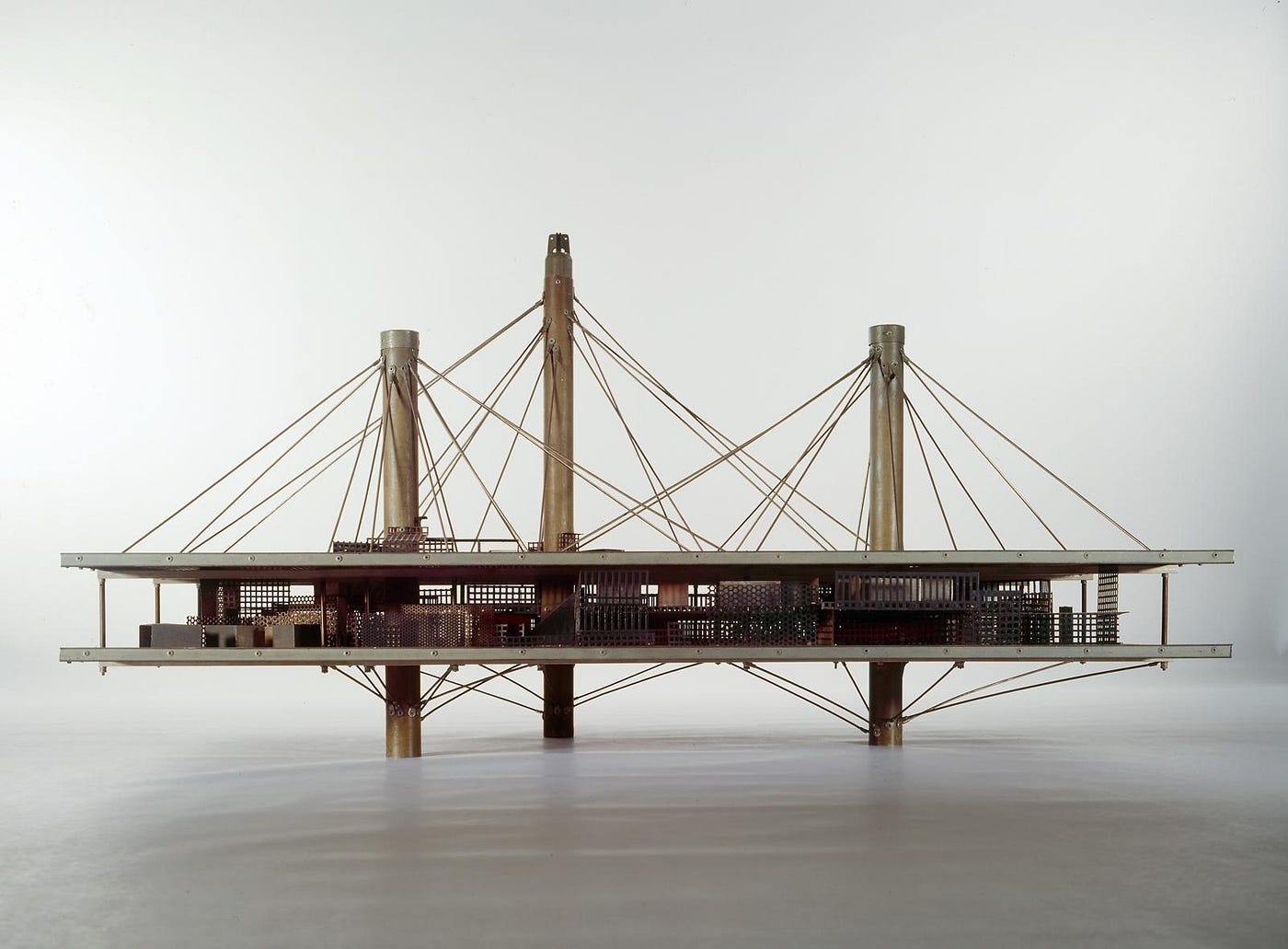
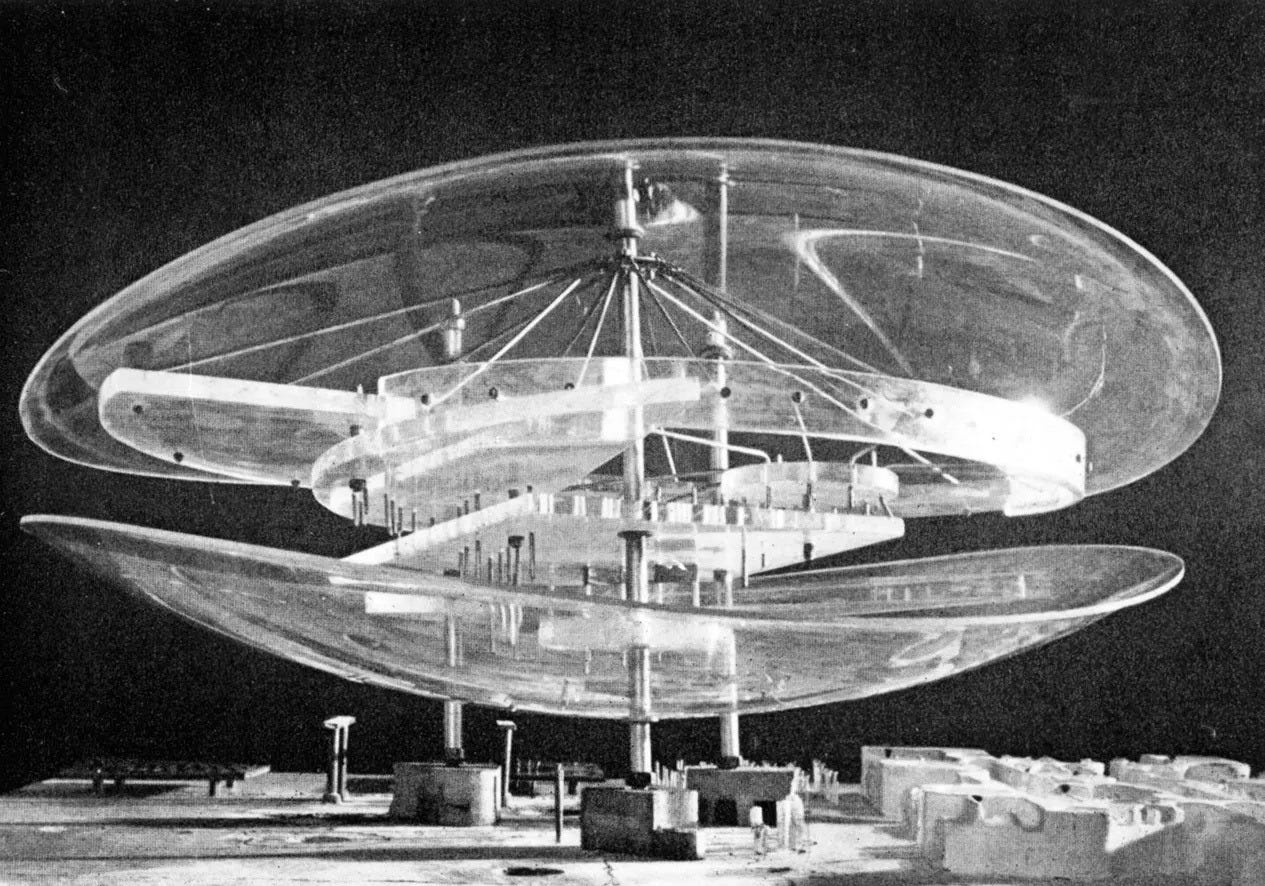
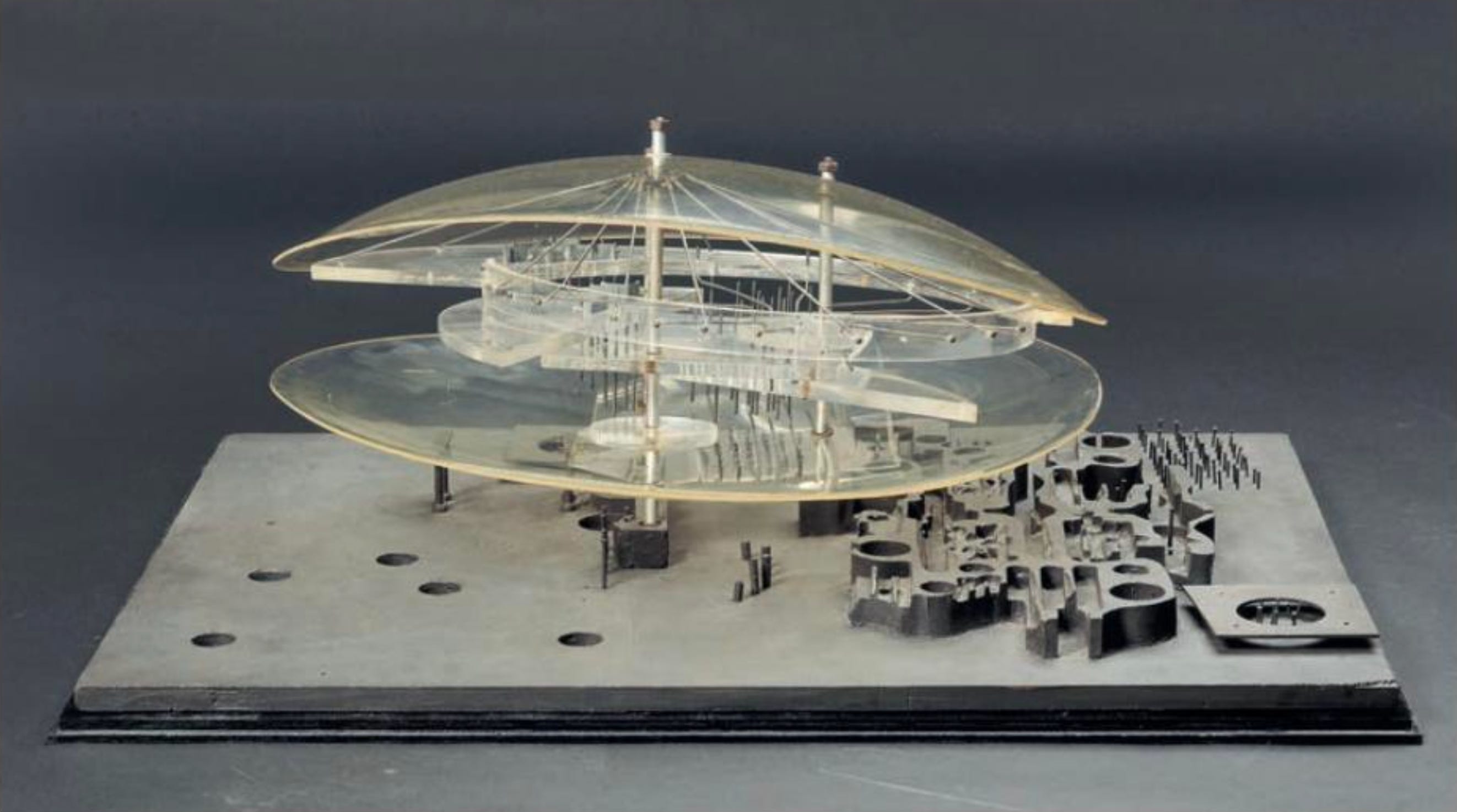
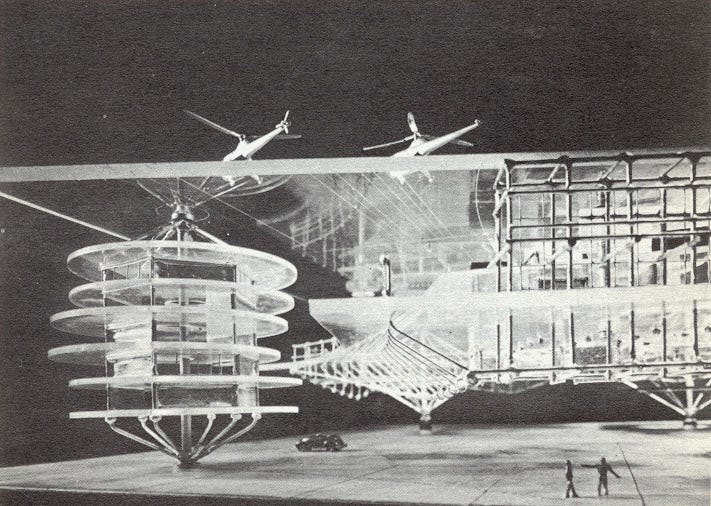
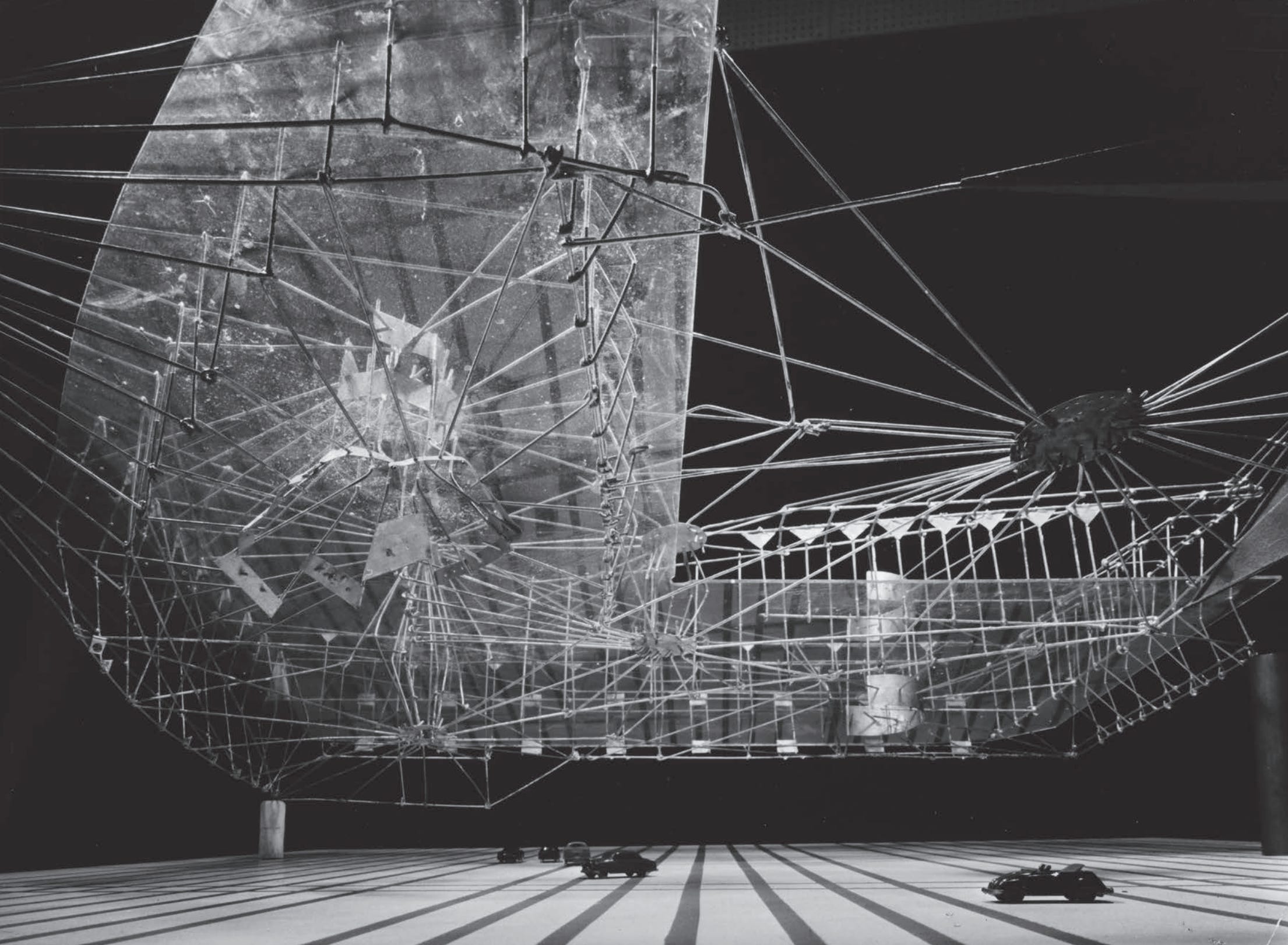
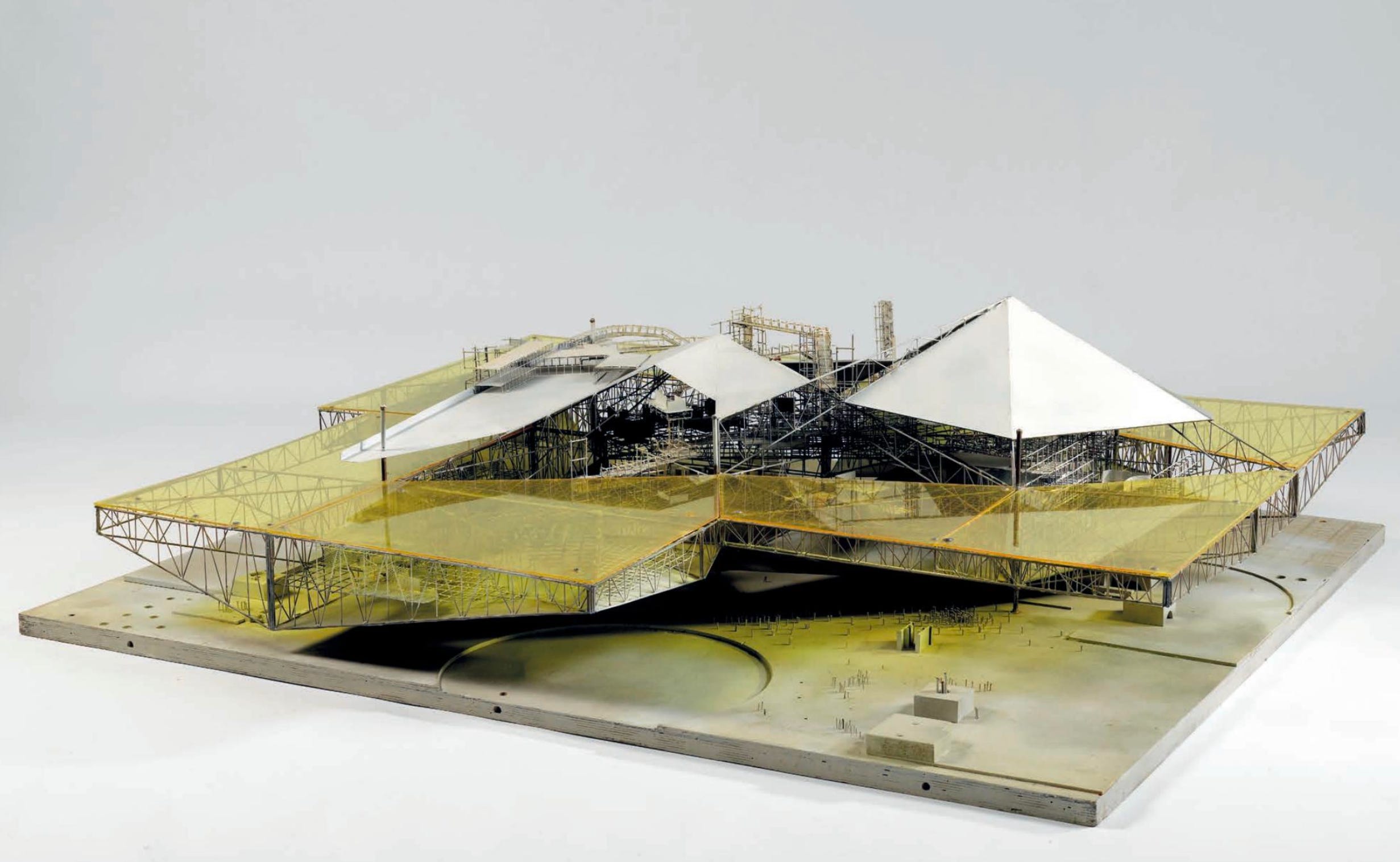
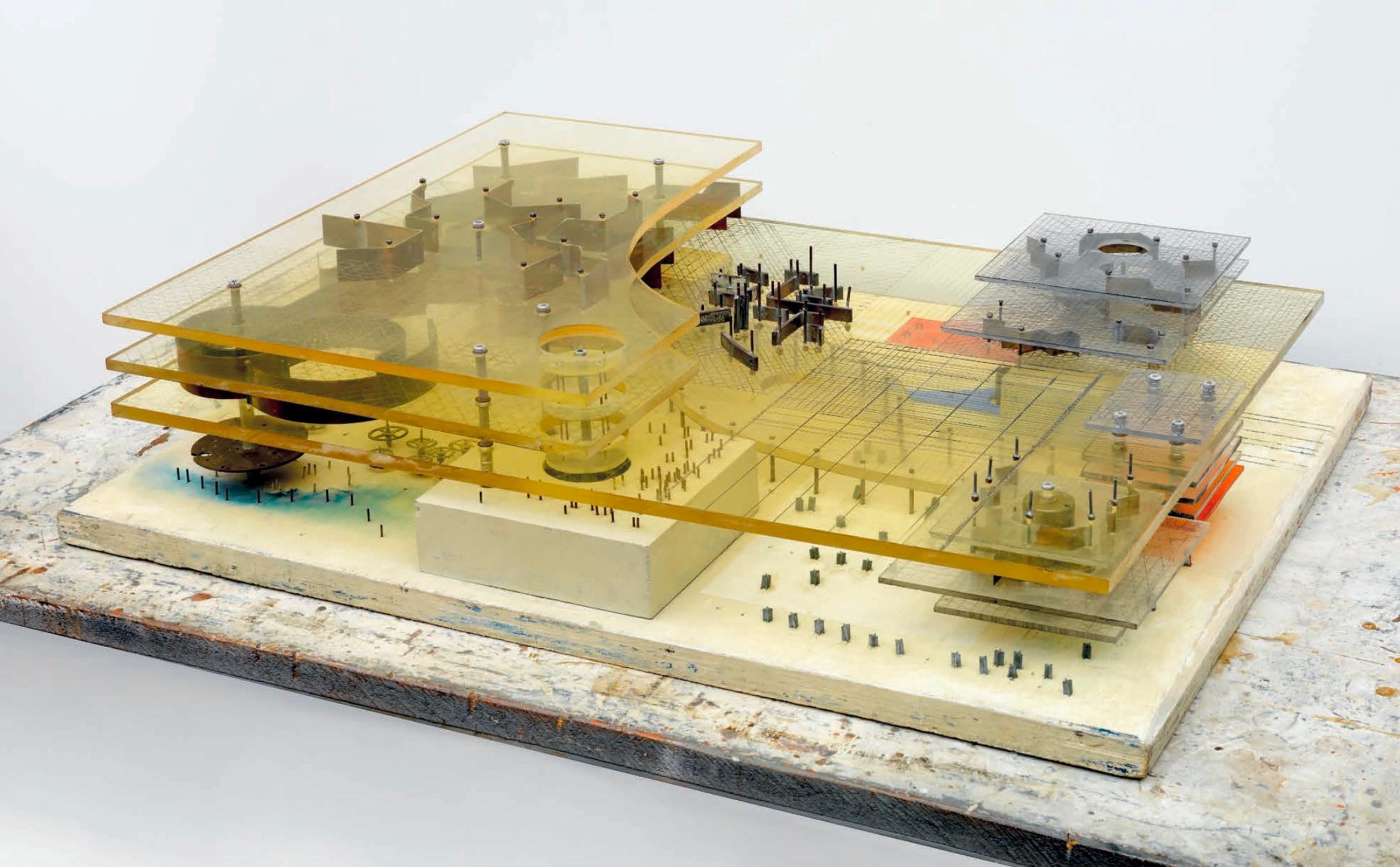
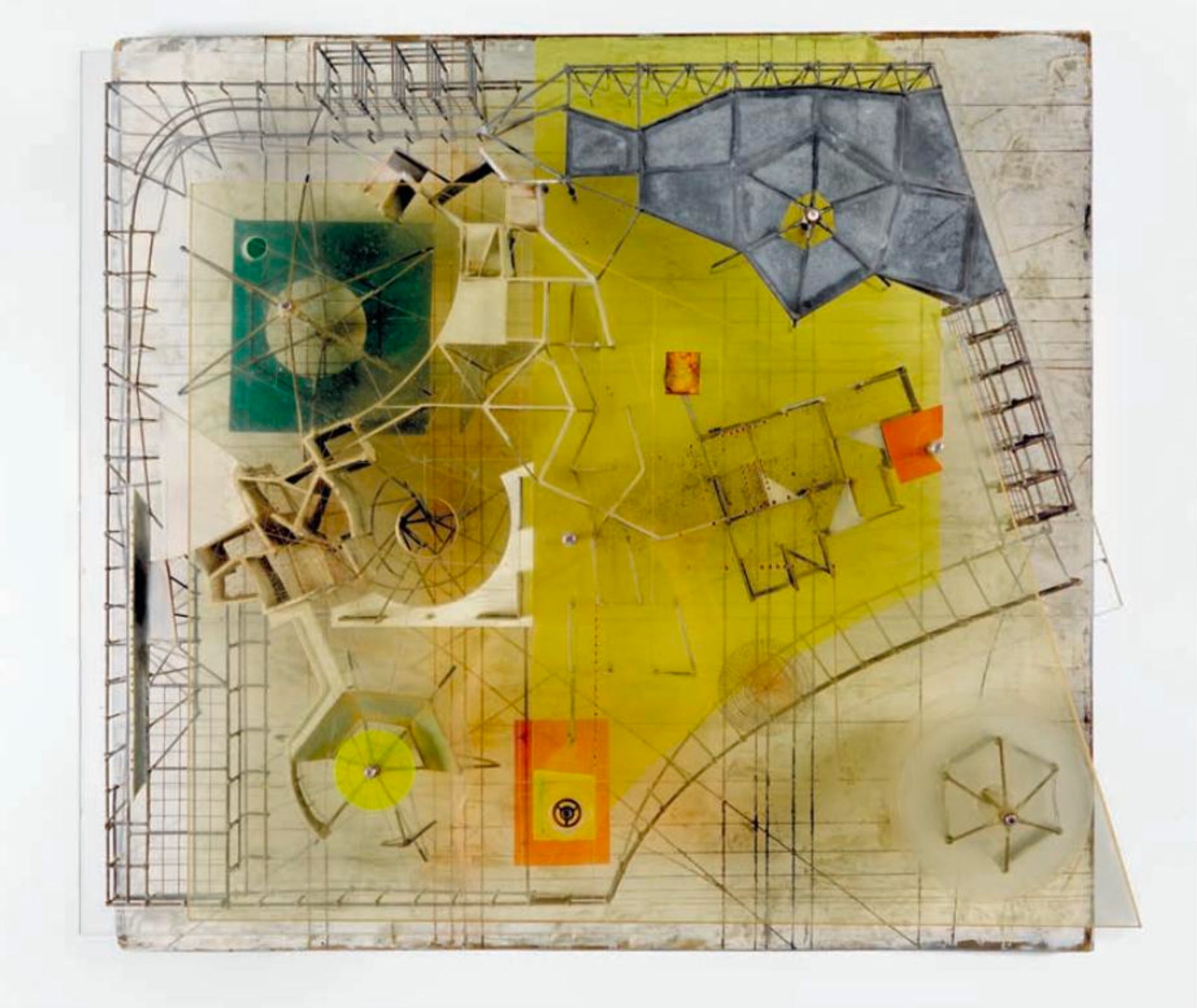
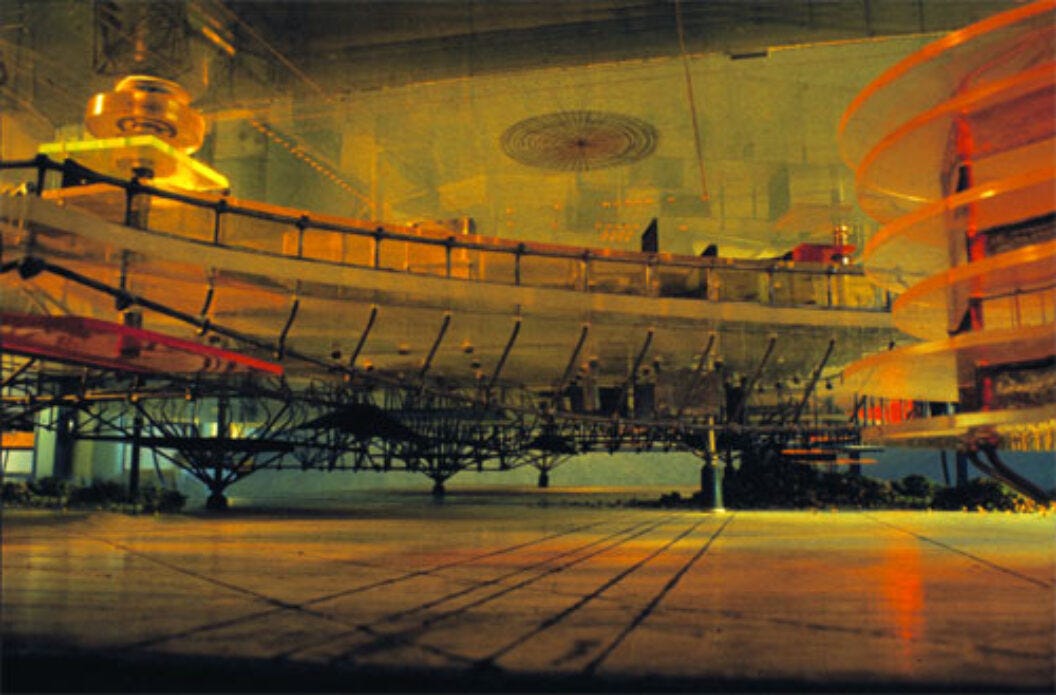
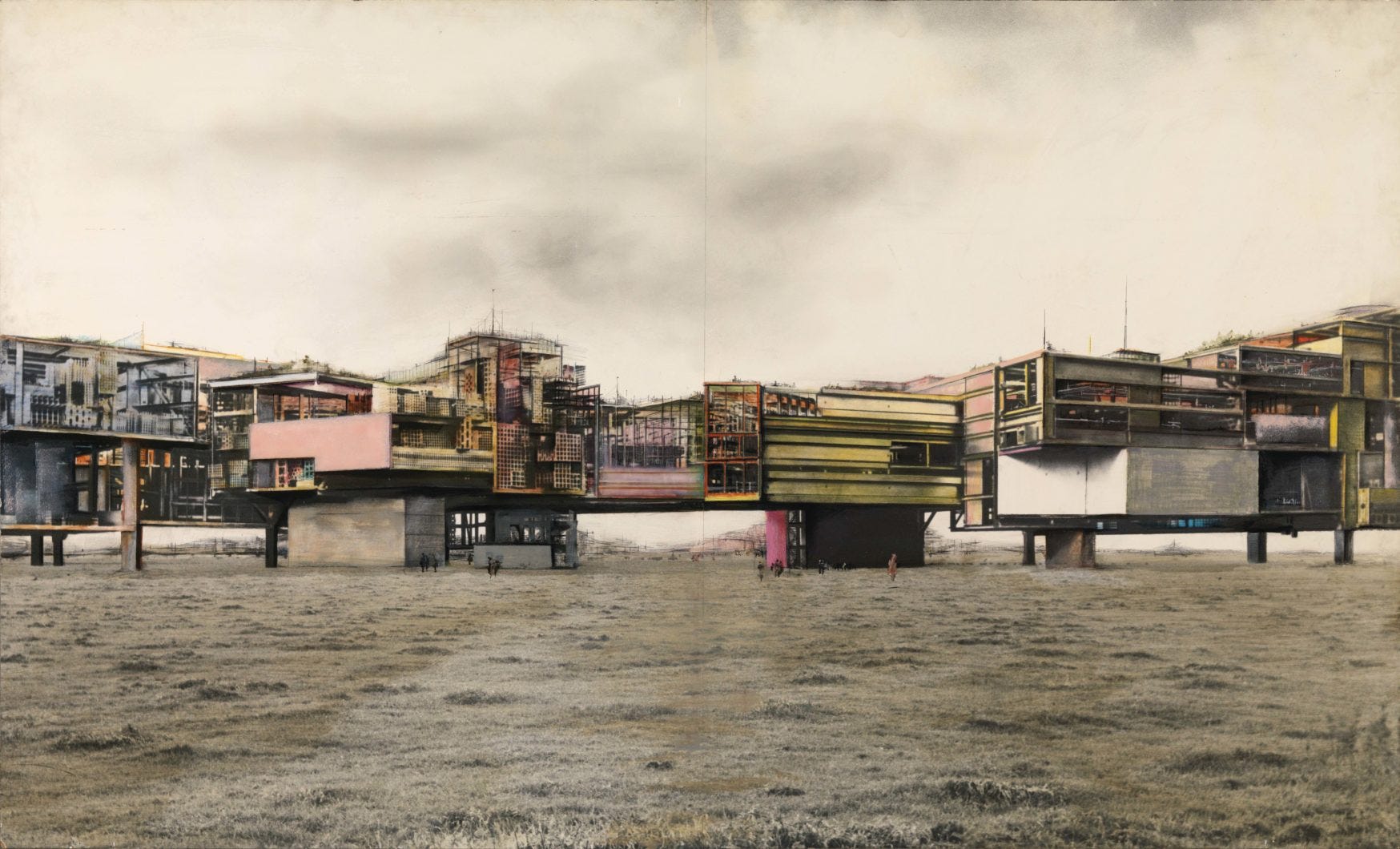
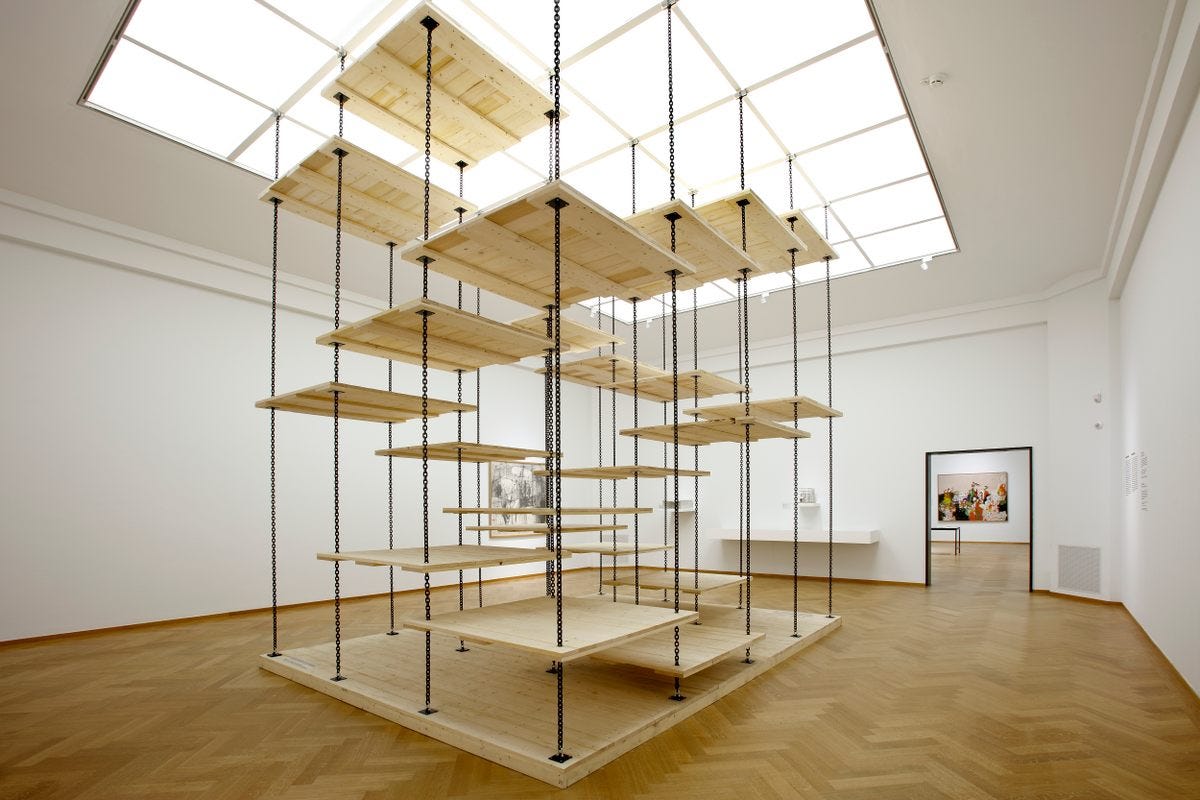
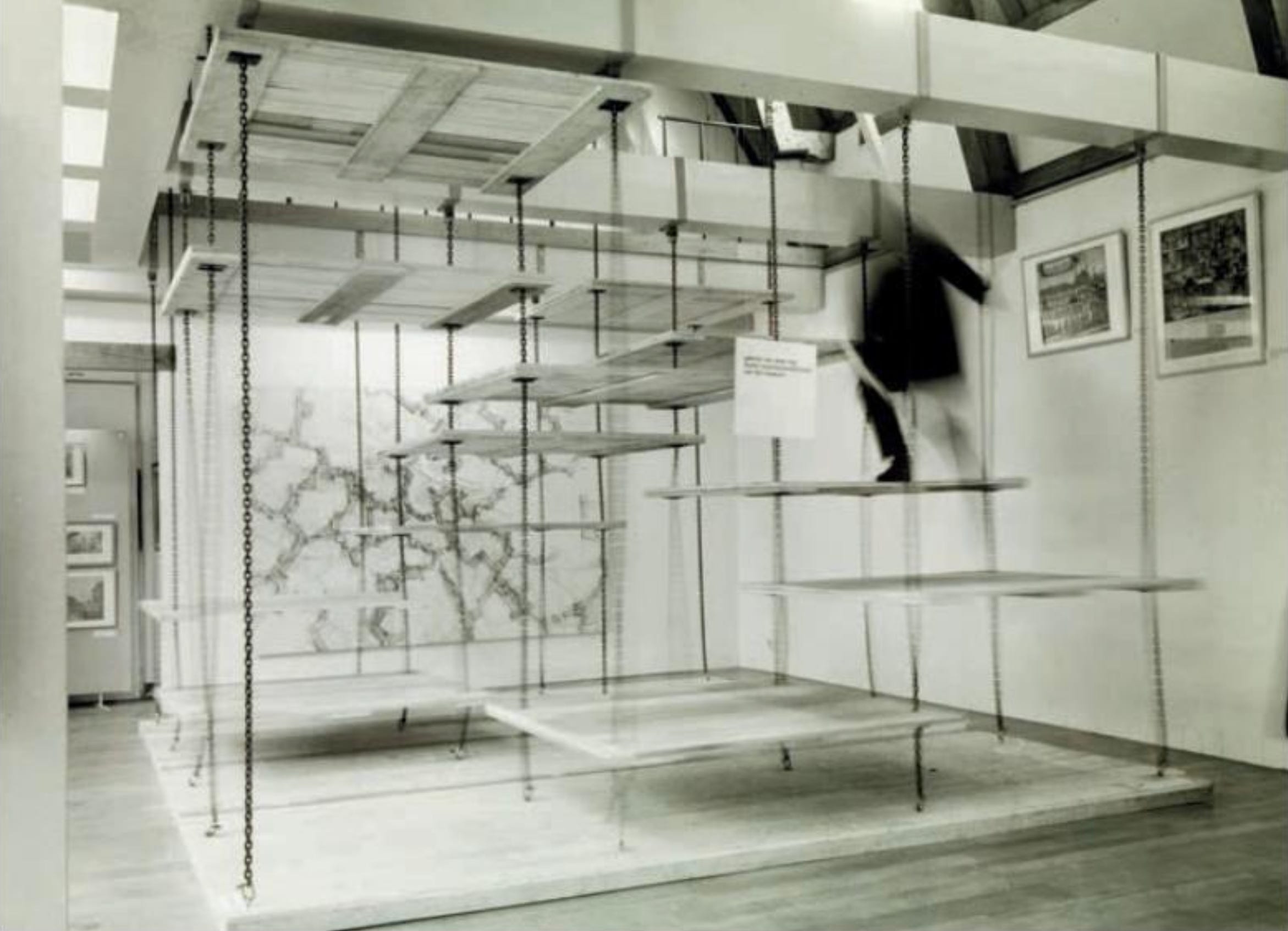
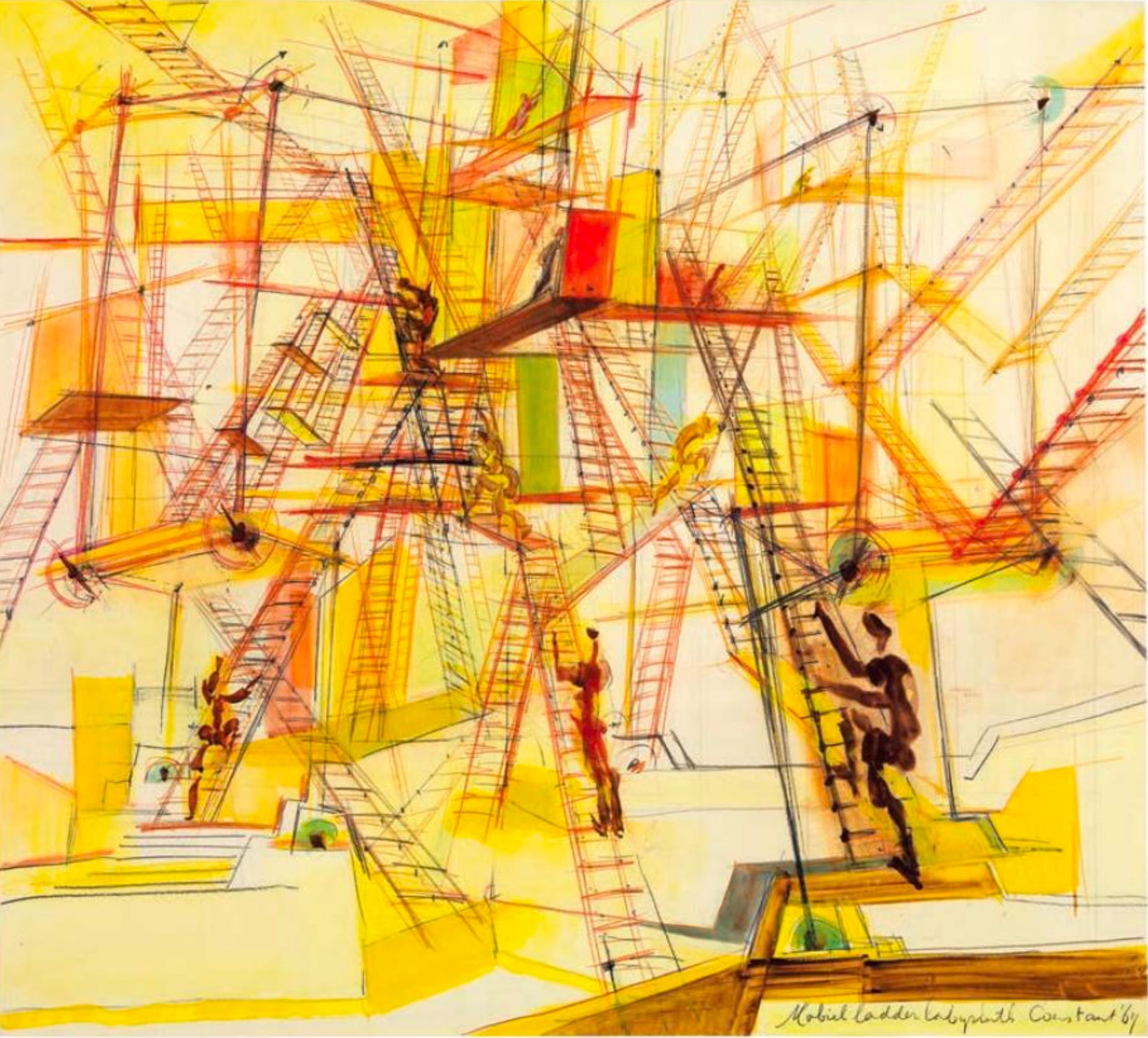
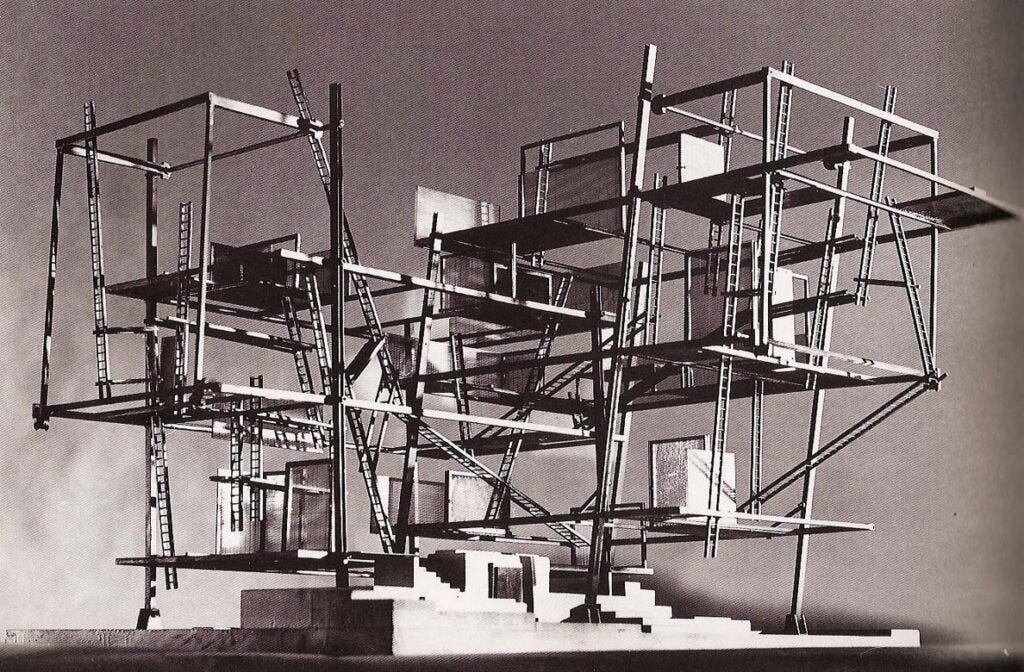
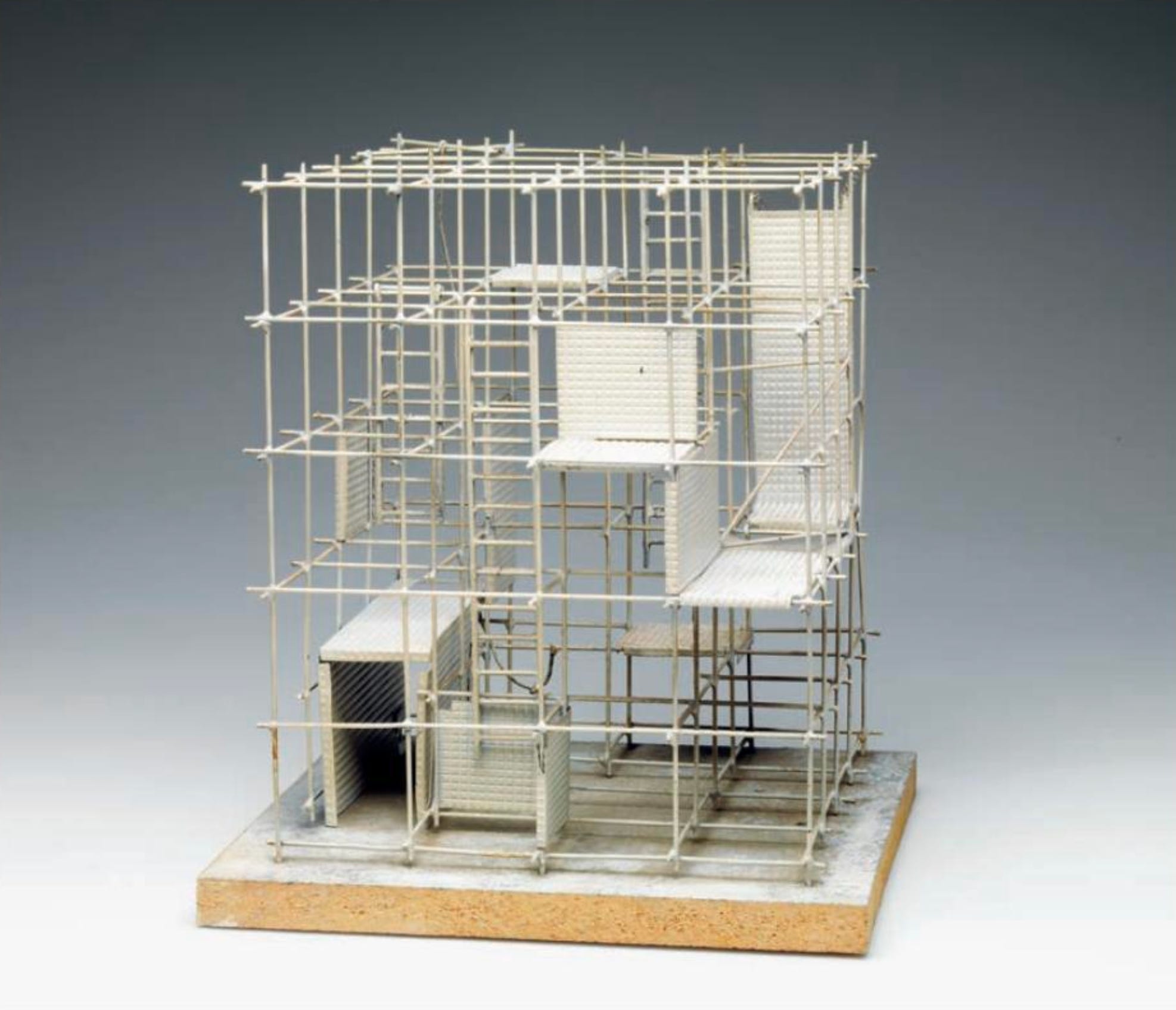
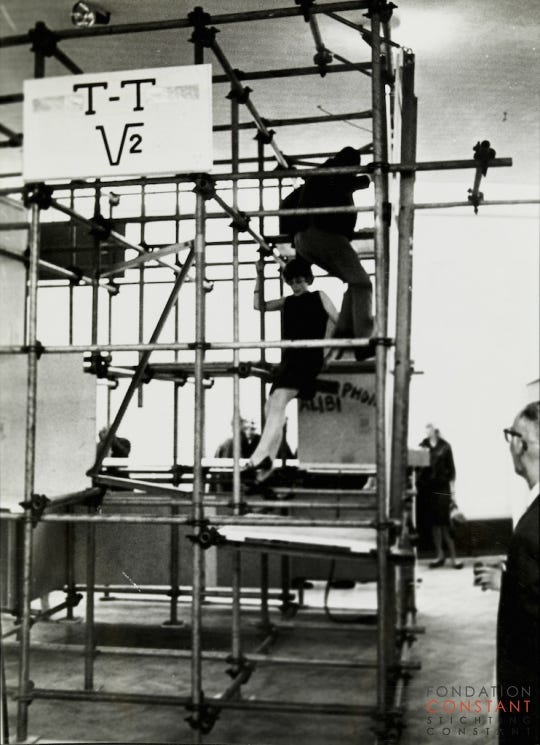
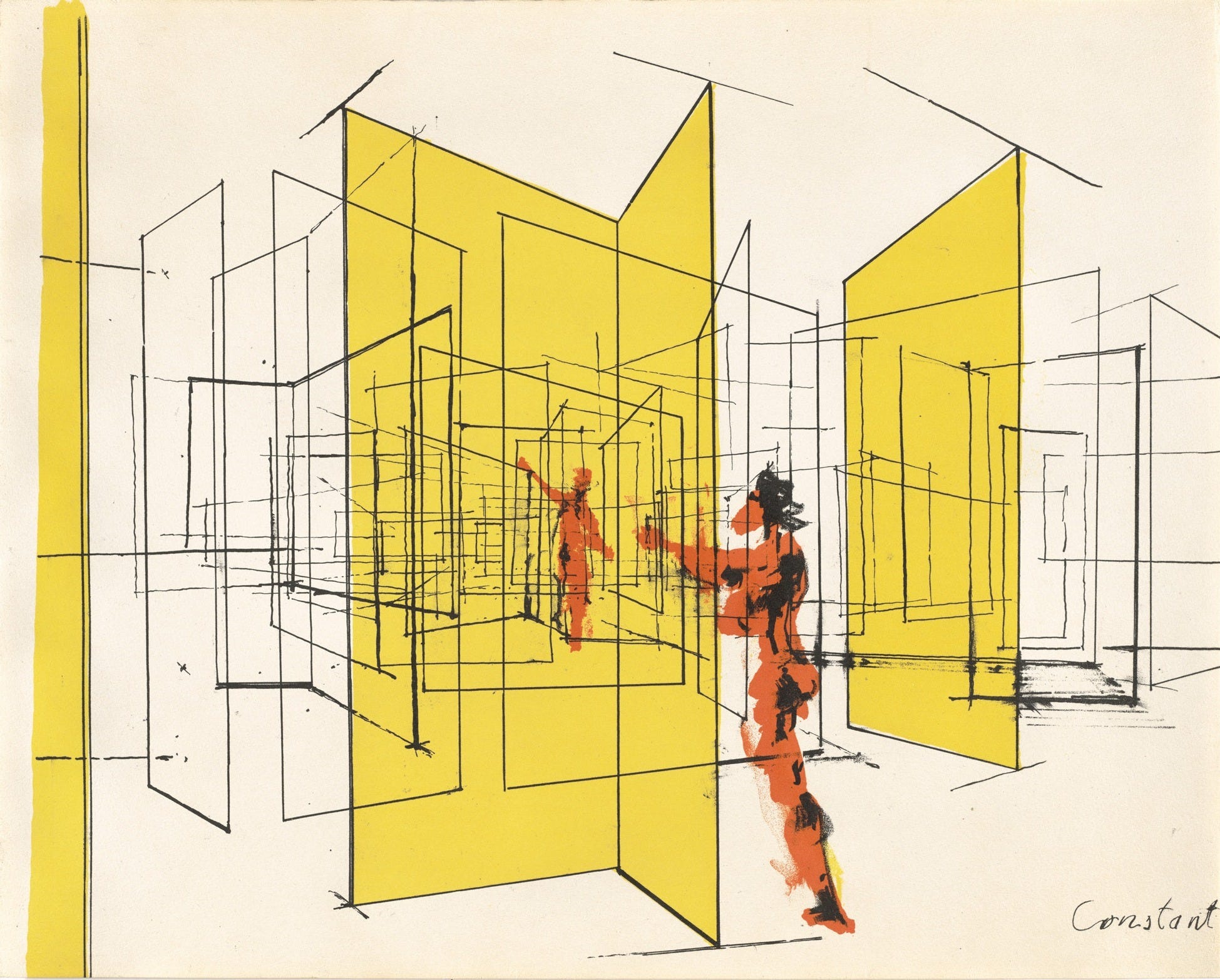
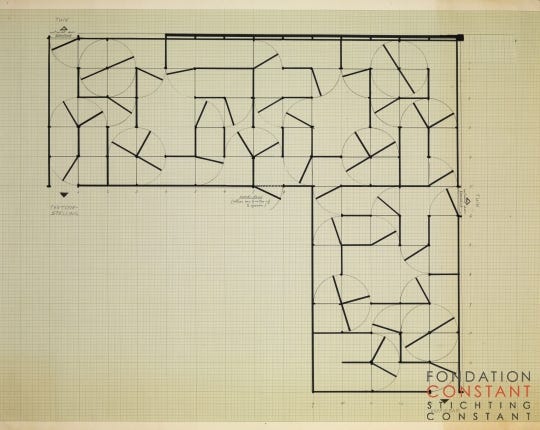
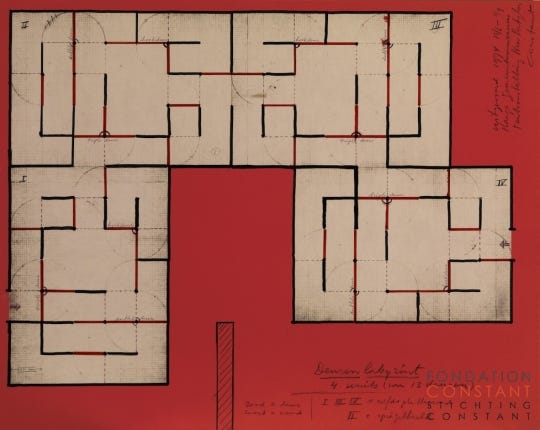
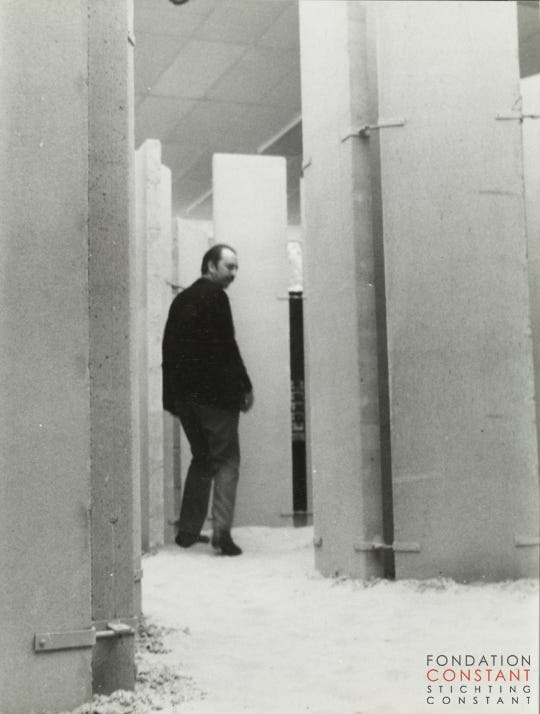
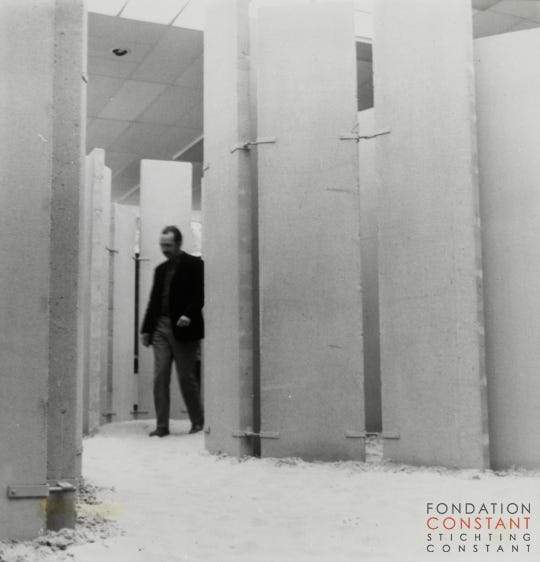
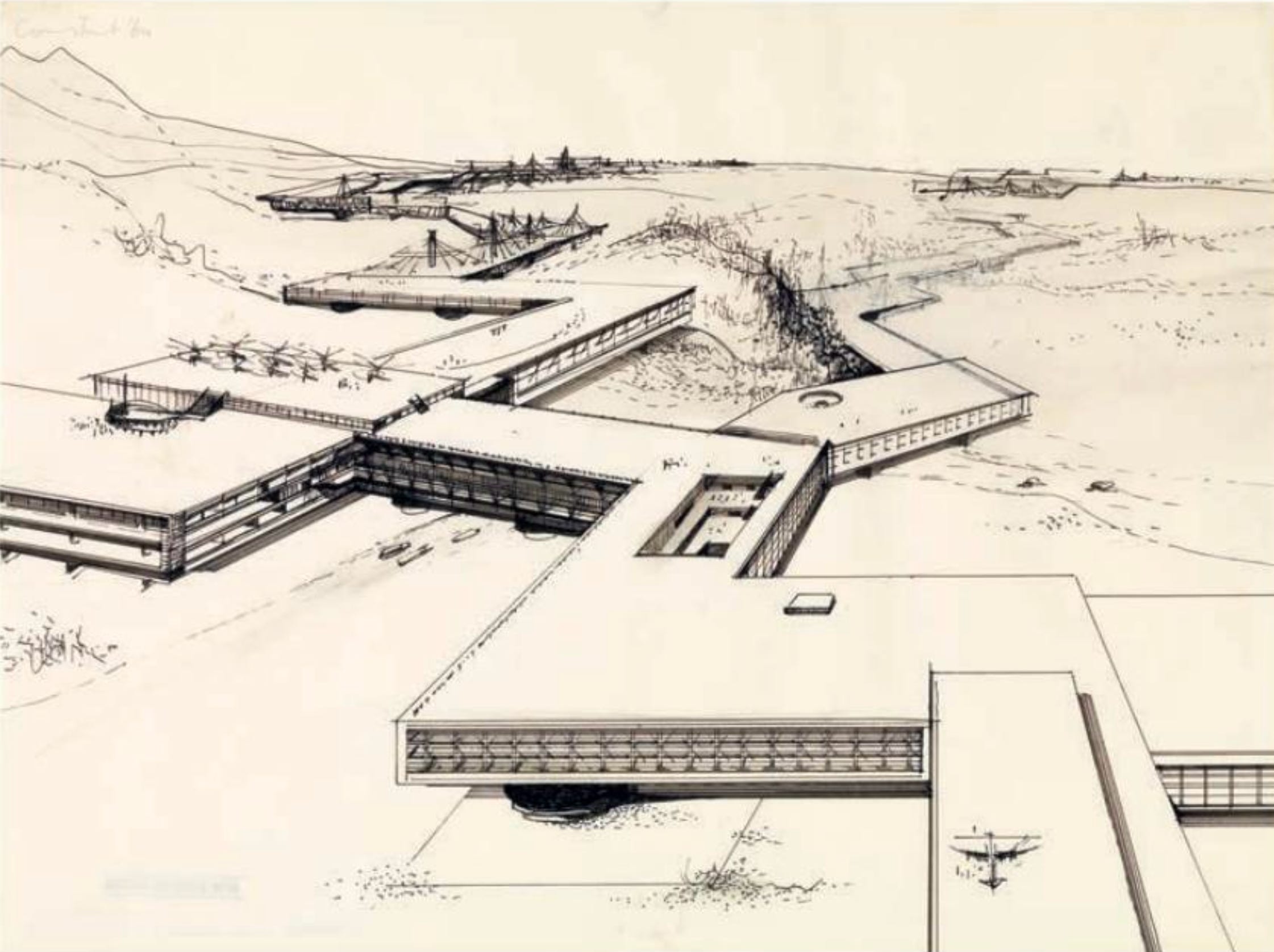
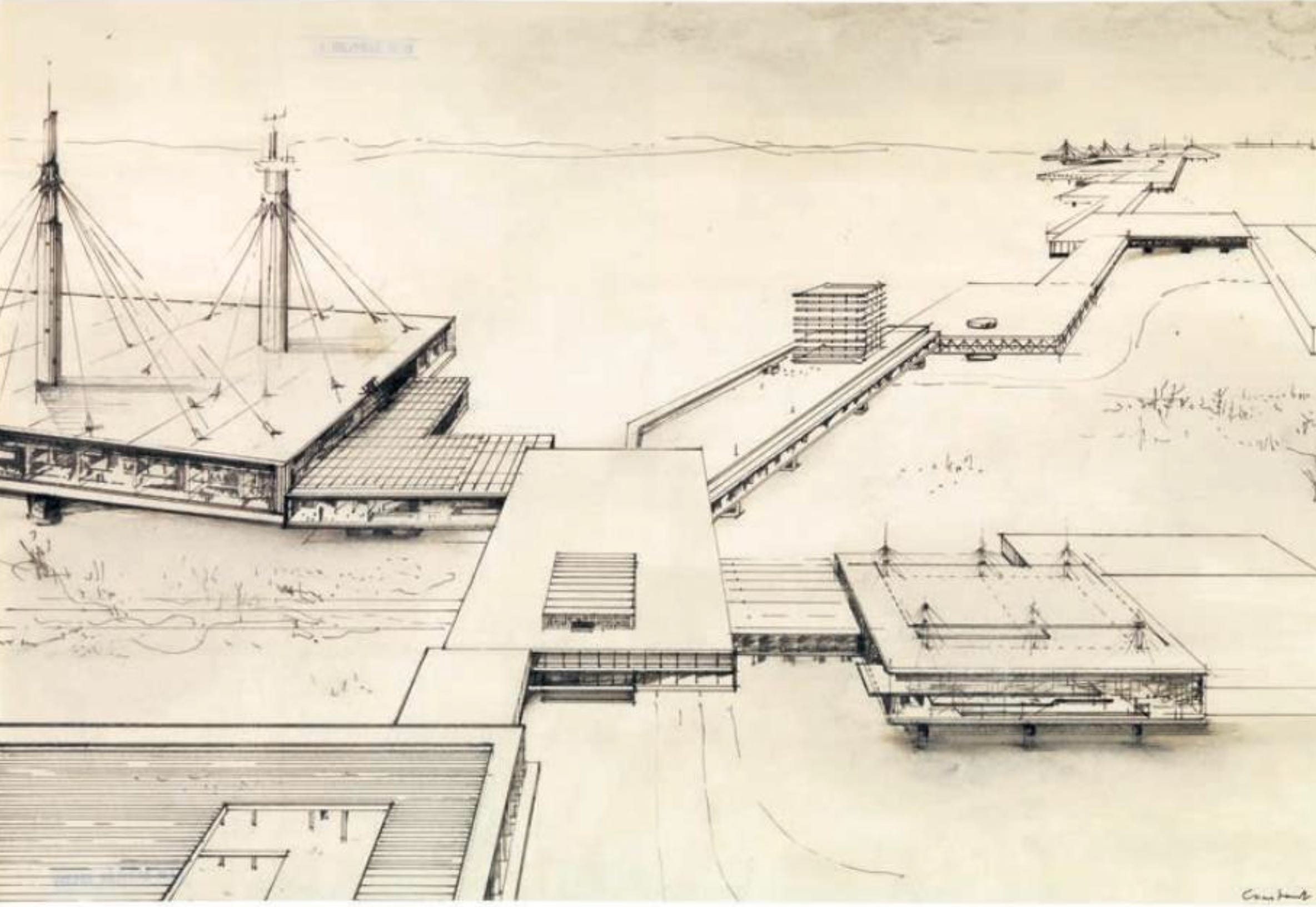
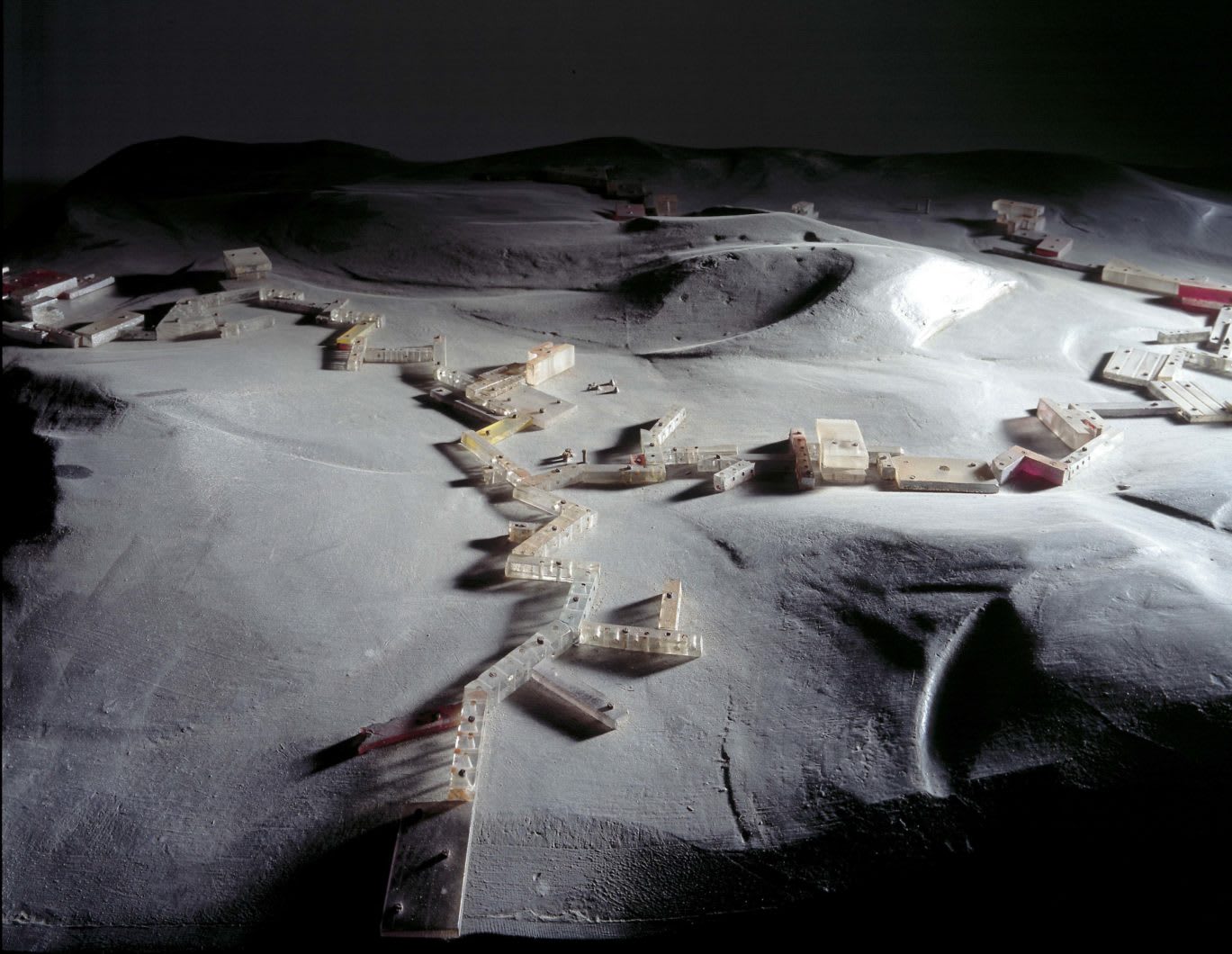
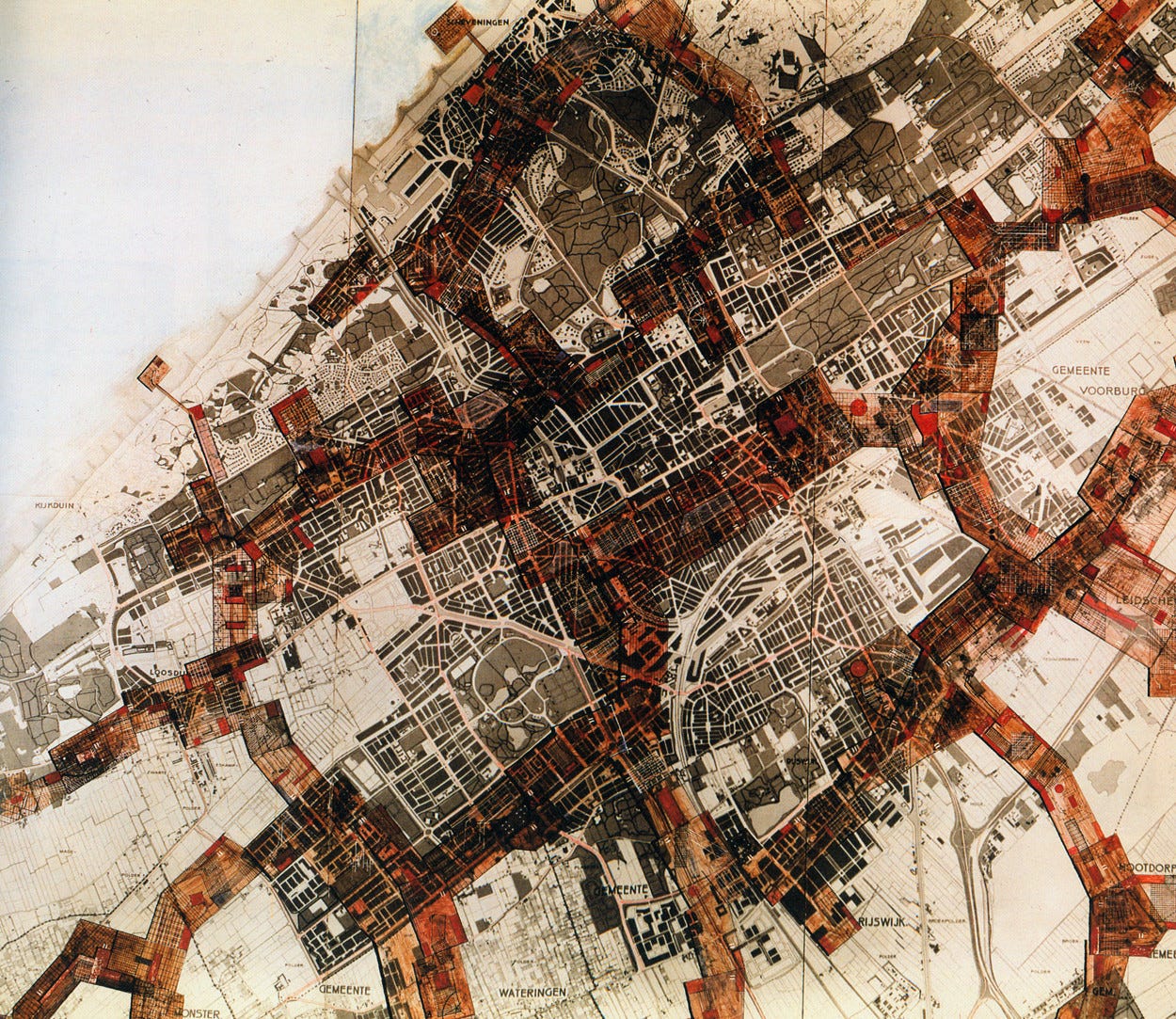
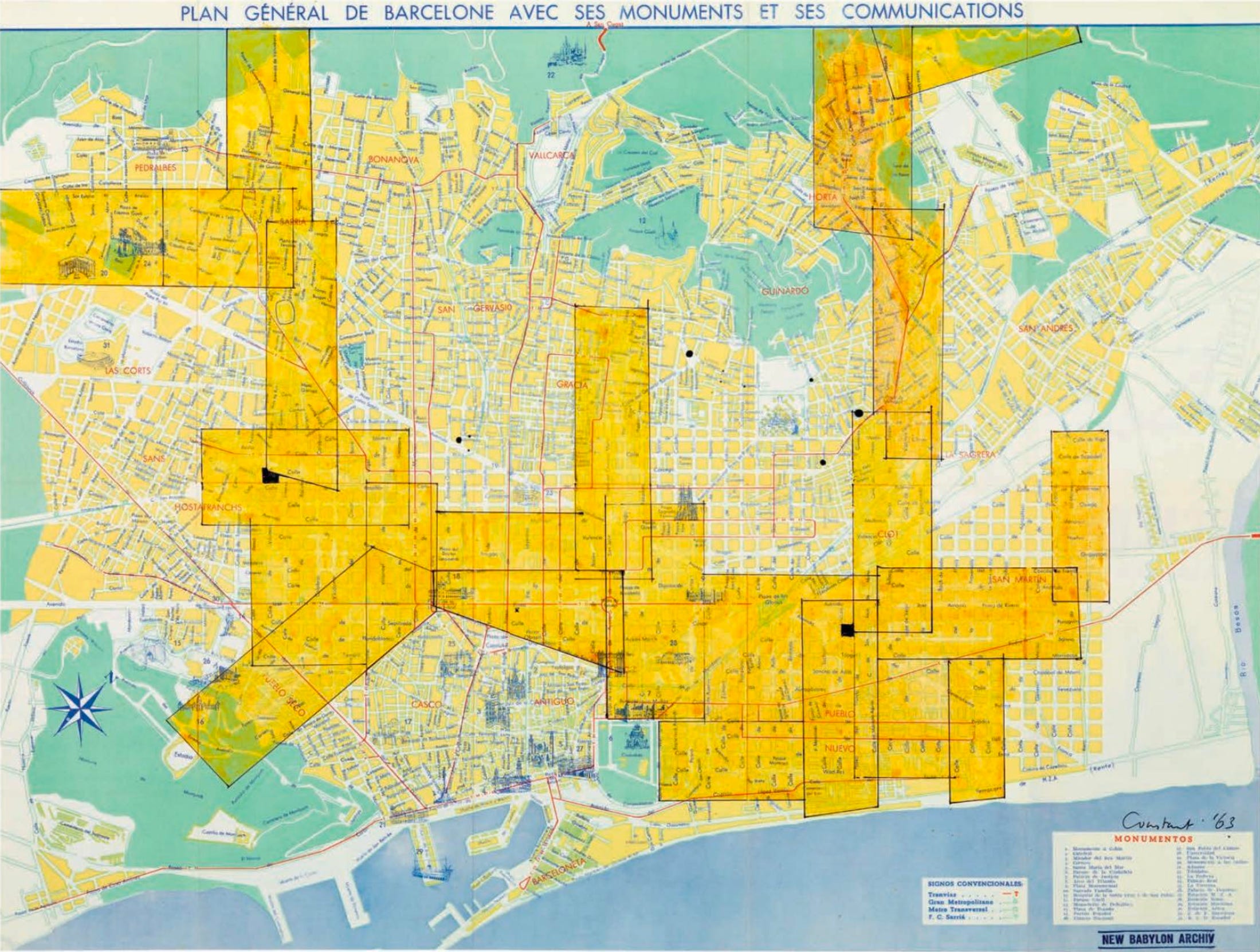
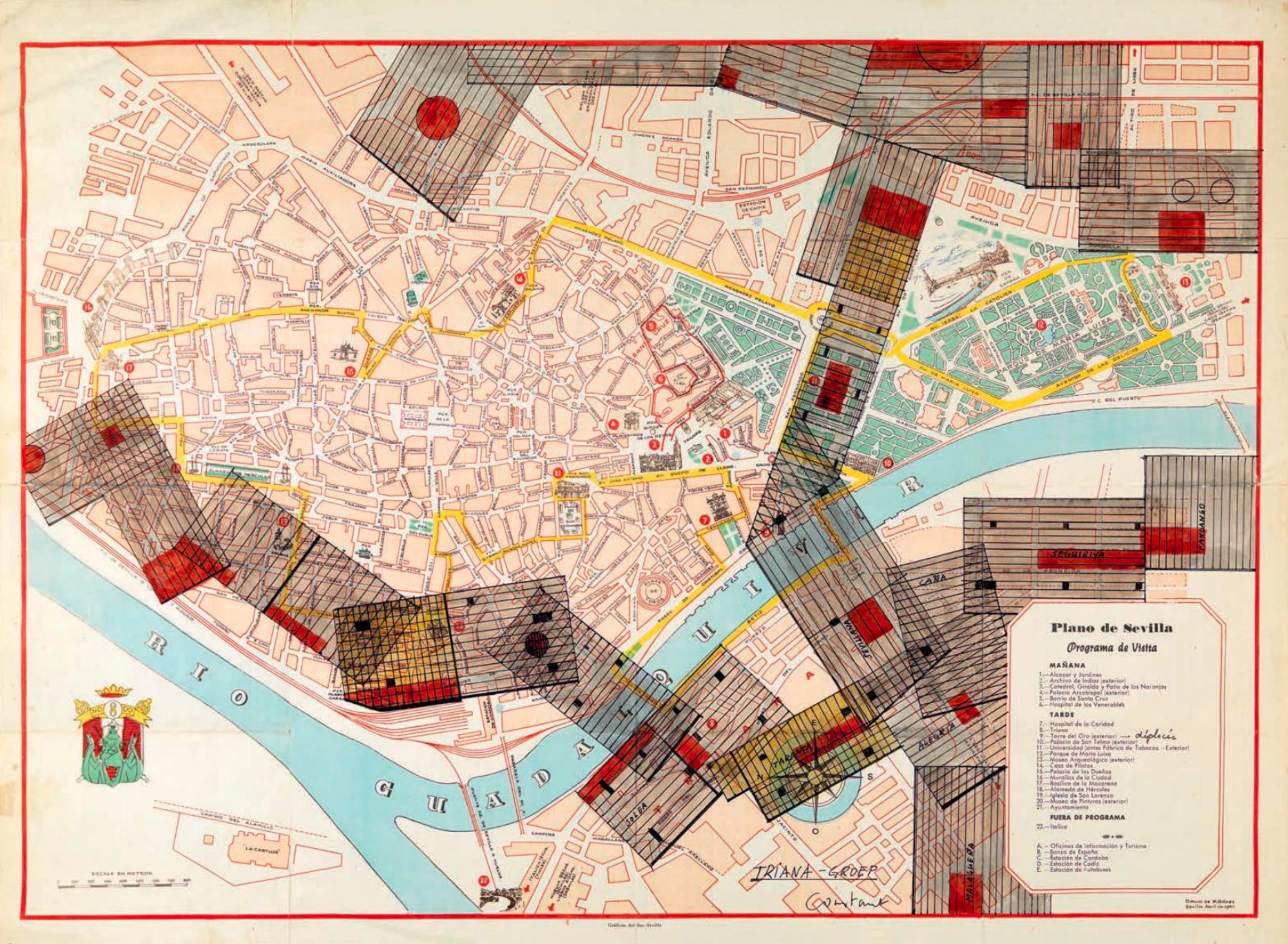
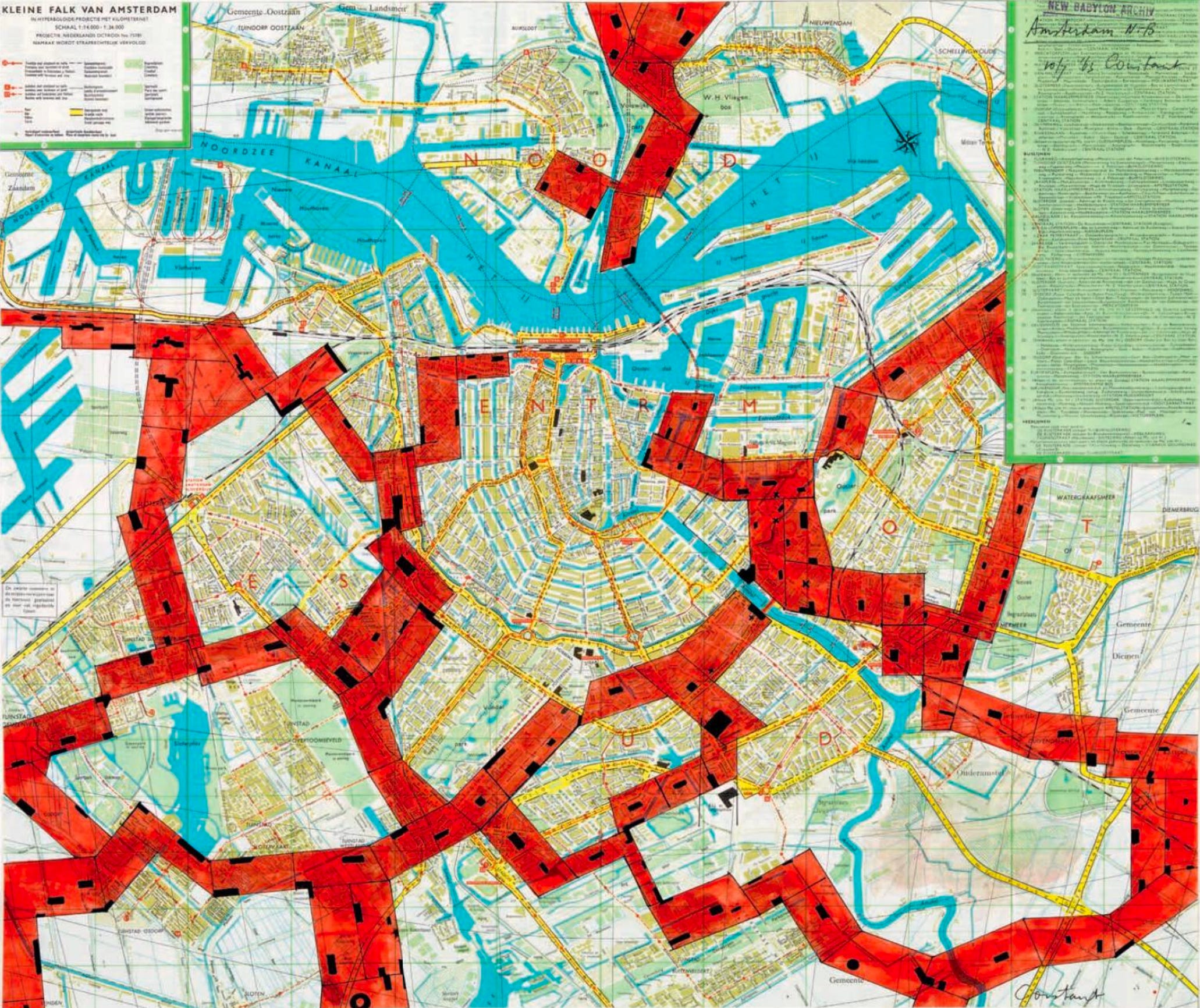
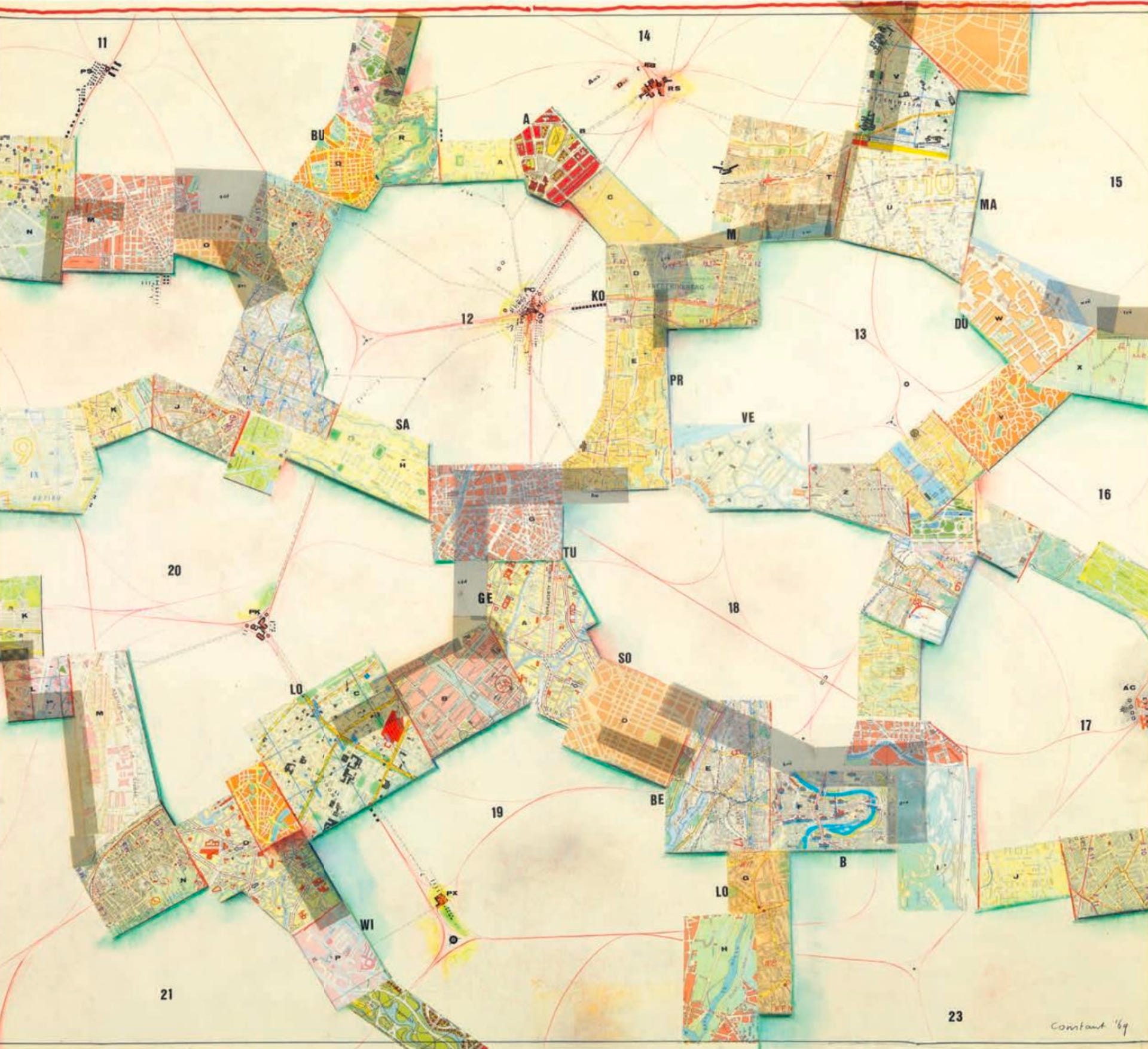
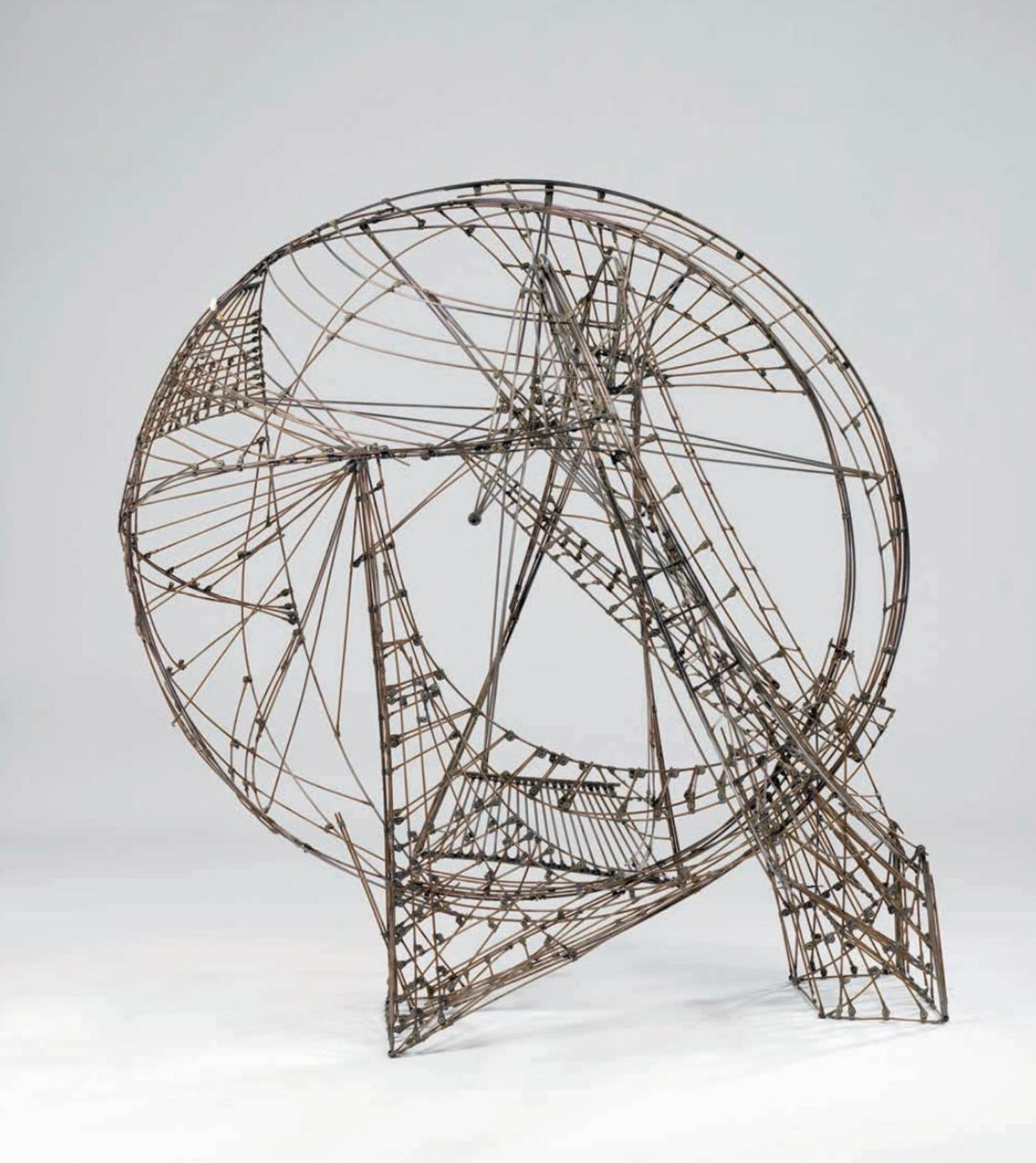
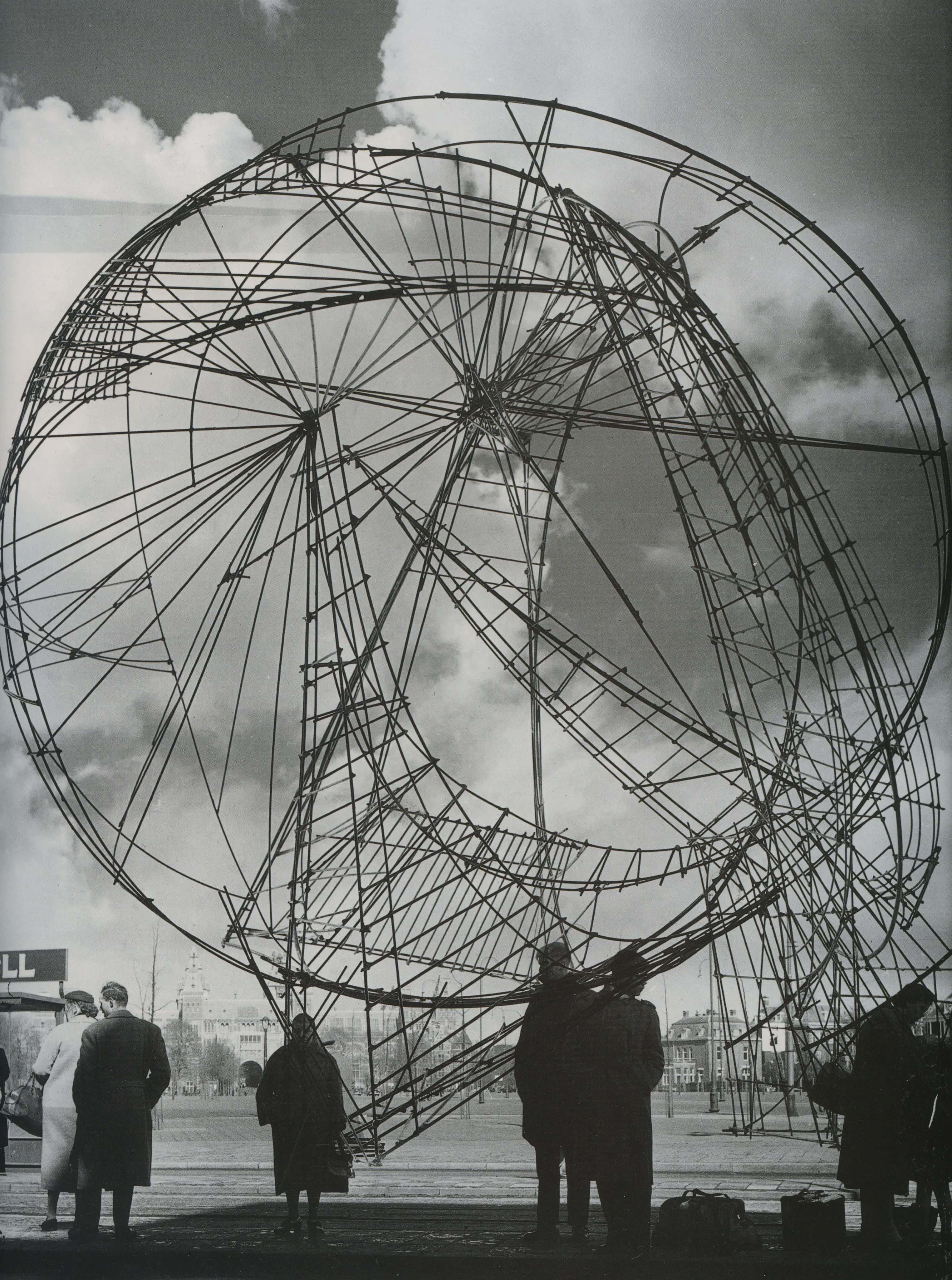
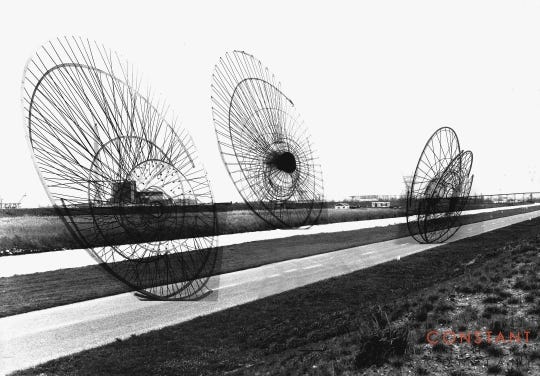
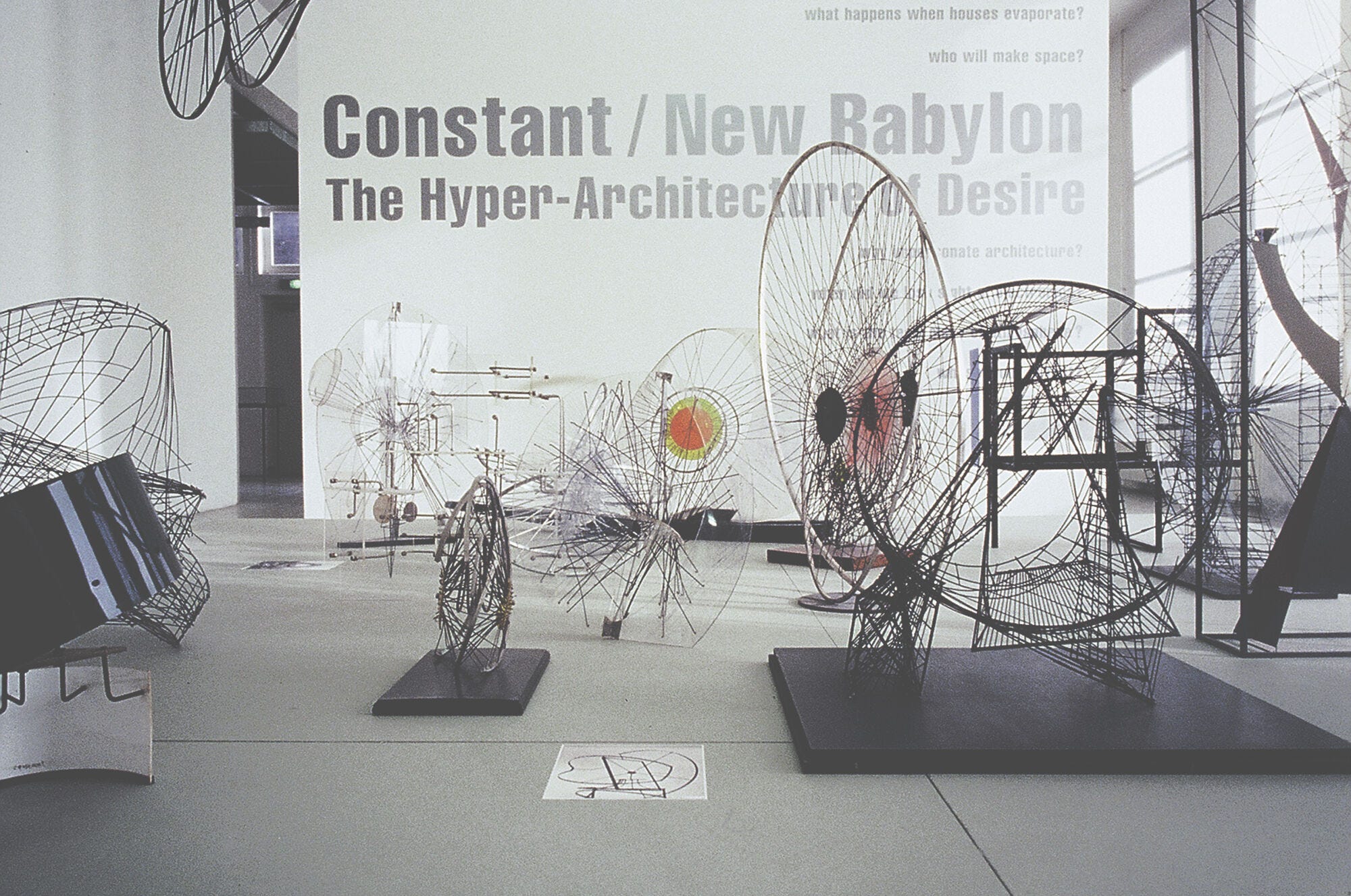
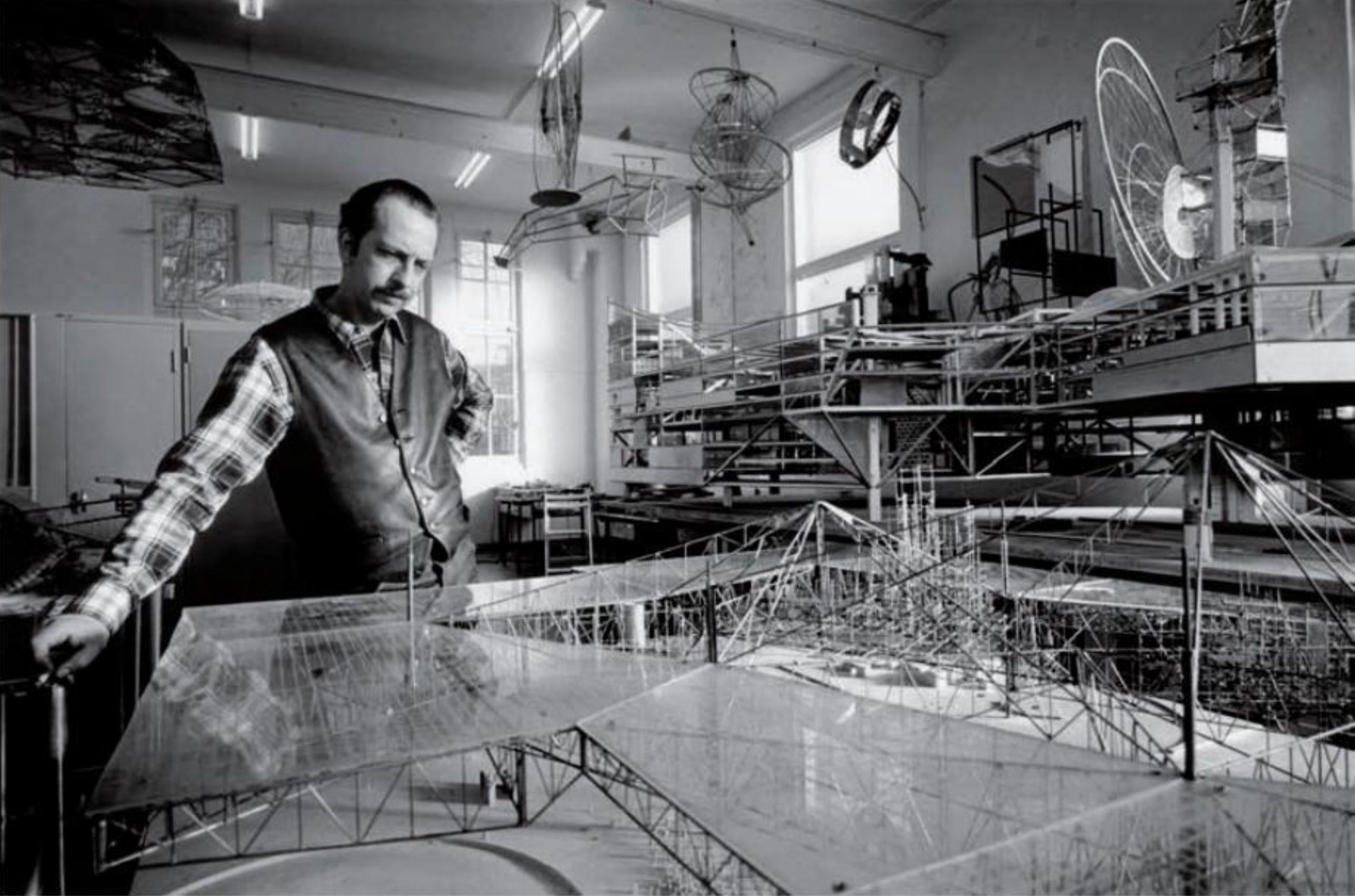
For almost twenty years, Constant (Constant Anton Nieuwenhuys, Amsterdam, 1920 – Utrecht, 2005) realised scale models, paintings, drawings and collages displaying his concept of a nomad city of the future – New Babylon – a complex and expansive labyrinth that transformed the whole world into one sole network. The earth would be collective property, work would be completely automated and run by robots and people would have the freedom to devote their time to creative play.
Museo Reina Sofía
If there was a high point for the radical imagination of a future for the planet, perhaps it was Constant Nieuwenhuys’ New Babylon. Constant was a key member of the Situationist International in its early phase. He started work on New Babylon before he resigned from it, and continued working on it for many years. It embodied many of the situationists’ key ideas about constructing situations for permanent play, but here imagined at the scale of an infrastructure for a planetary utopia dedicated to nomadic play. […]
Through a decentralized network of communication, a nomadic species of play-beings coordinates its frolicking, designs and redesigns its own habitat, and creates a life where “the intensity of each moment destroys the memory that normally paralyses the creative imagination.” […] Both physical space and the space of information belong to everybody, and are resources for a life without dead time. It’s a world not only made for but made by homo ludens, whose species-being is play.
McKenzie Wark
New Babylon is not a town planning project, but rather a way of thinking, of imagining, of looking at things and at life.
Constant
Human beings are more than machine fodder; life is more than well-oiled participation in the production process. The slavish existence of living, working and recreation cannot possibly constitute the starting point for building our living environment, the starting-point for a creative urbanism.
Constant
Yet despite an excess of representation and explication it is possible to read in the details of New Babylon a cloud of ambiguity circling the details of the manifestation of Constant’s vision. He remained adamant that New Babylon was that which could only be created by the New Babylonians themselves. In this sense it was impossible to be prescriptive about the design and type of society that would eventuate. The conditions for its development could be set, but how it would unfold—its actual becoming—was left to this unknown population. Thus Constant built into New Babylon the contradiction of imagining a utopia that was also, to a great extent, also unimaginable.
It was only in the early 1970s that Constant realised that his project was not going to be realised. This was not because of the contradictions of New Babylon itself, but because humanity was not taking the possibilities of the 1960s seriously, not wanting to change their lives to become more utopian. Instead of the rise in automation in society freeing time for play, it had led to a surplus of human energy that was released, more often than not, in the form of aggression and increasingly mundane leisure activities. At its dawn, the New Babylonian dream became a nightmare, a nightmare tied to the reality of European society. As Constant observed in 1980, “The relevance of the New Babylon project seems to have disappeared or to have been post-postponed to some shadowy future.” In this, Constant’s project was relegated to an impossible dream, and joined a more general demise of interest in utopian form over the course of the 1970s and 1980s.
Darren Jorgensen, Laetitia Wilson
↑ Video: New Babylon subtitulada