Beate Gütschow
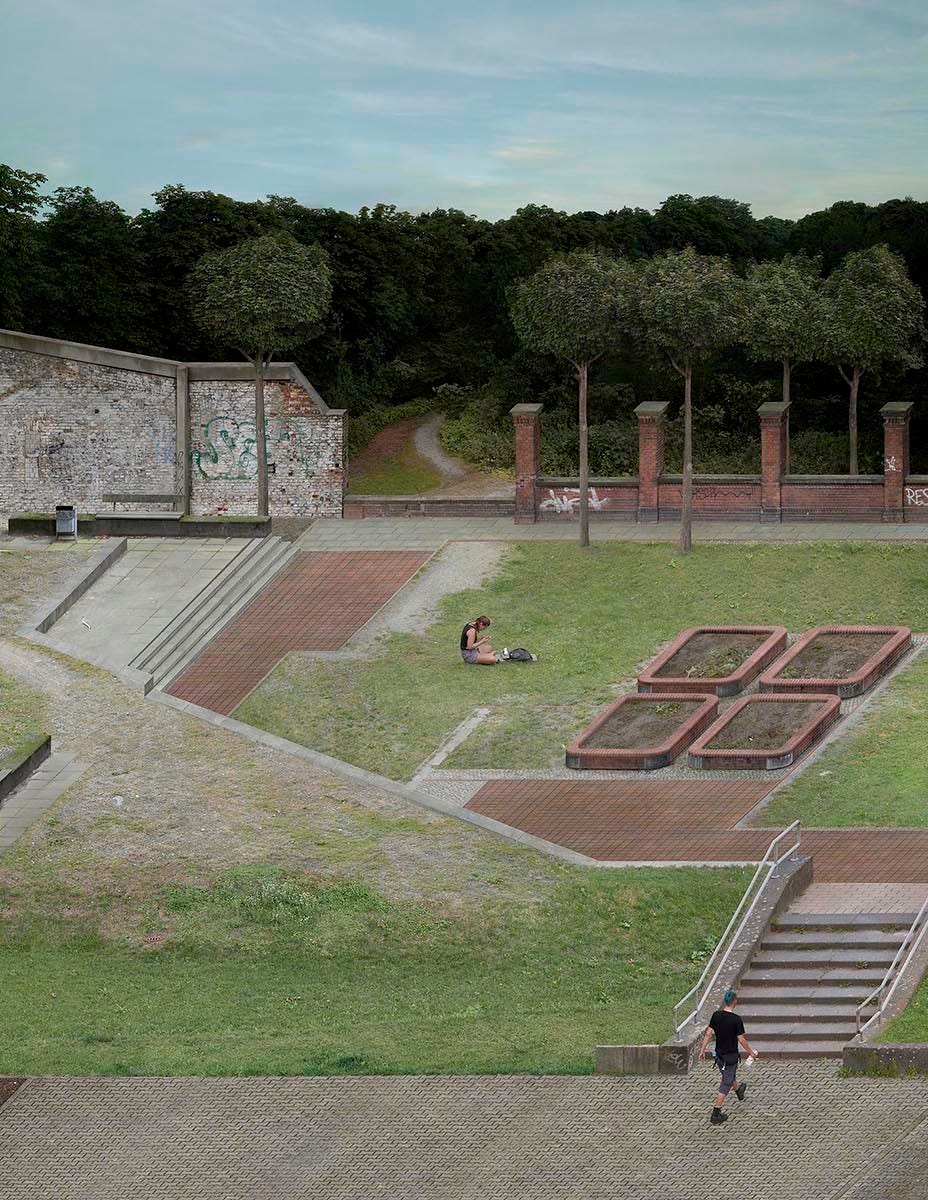
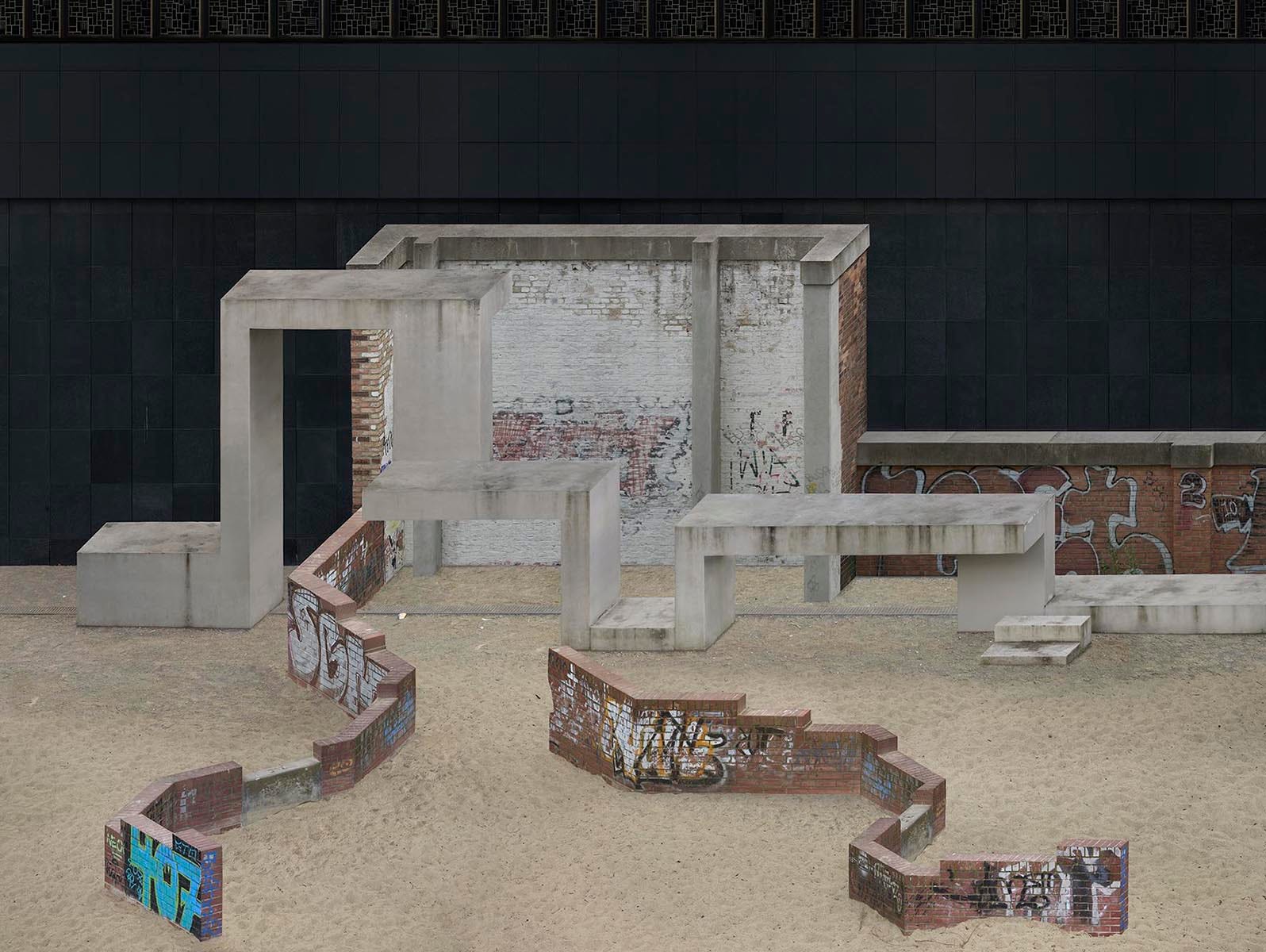
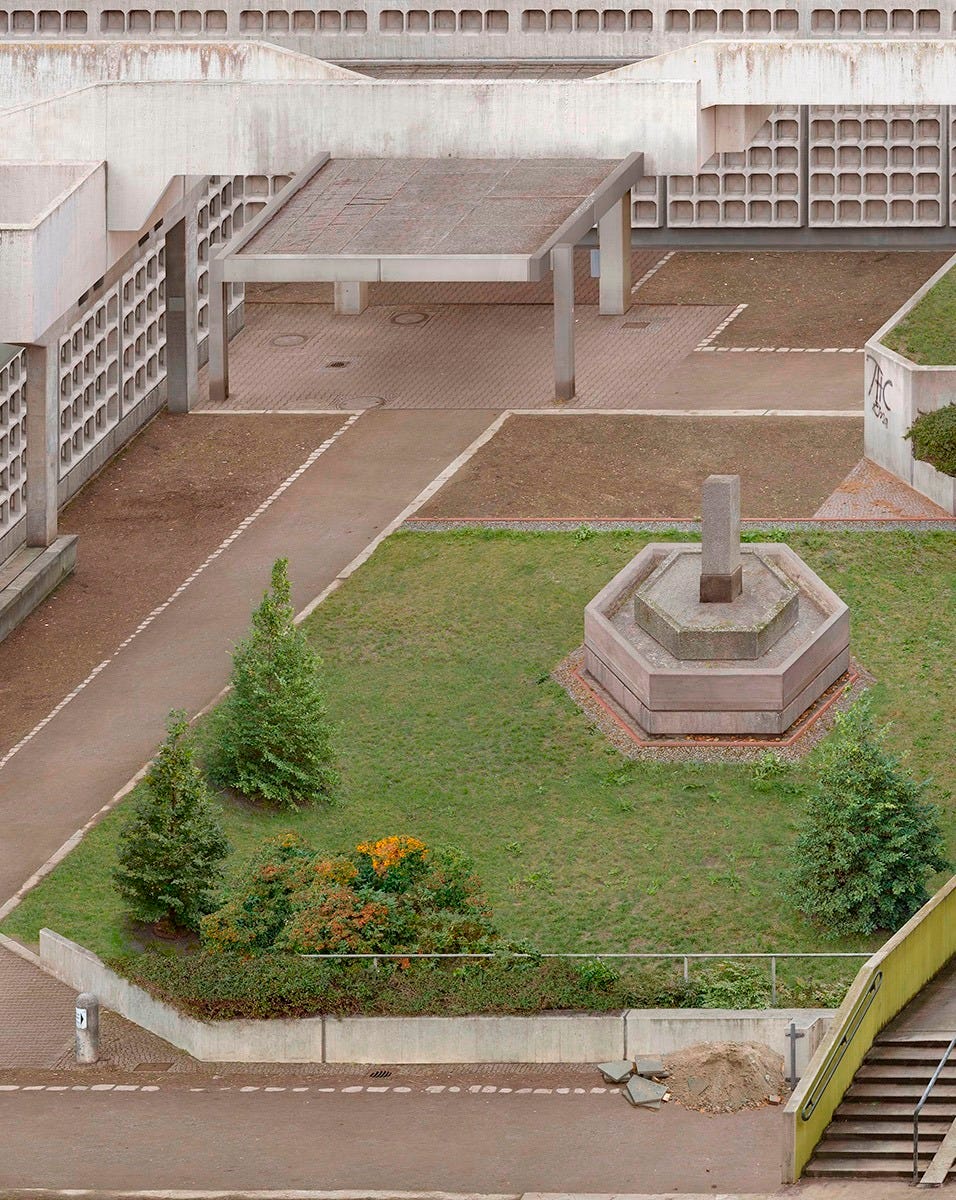
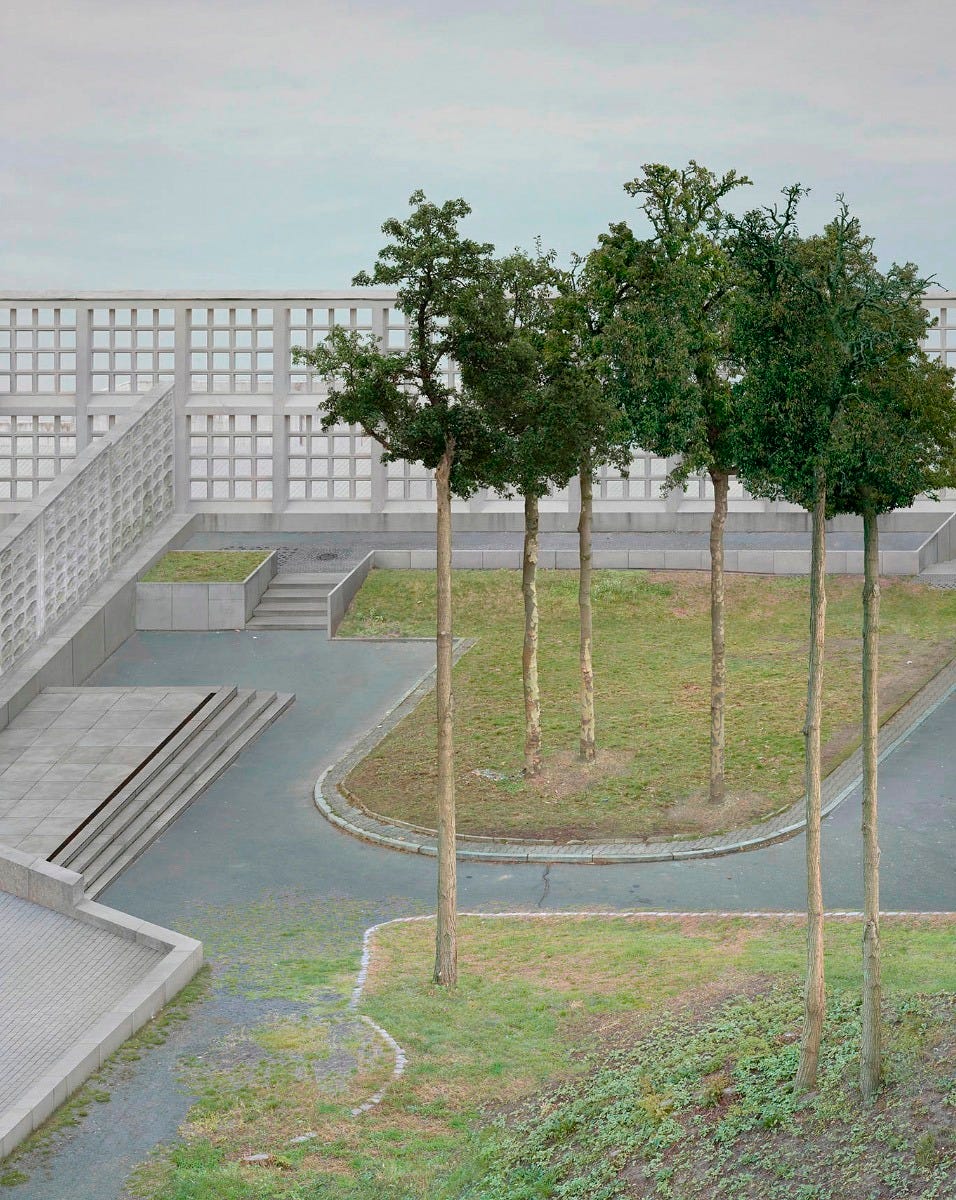
HC, 2018-2021
AS I WAS MOVING AHEAD OCCASIONALLY I SAW BRIEF GLIMPSES OF BEAUTY is a very simple newsletter where I share a collection of creative expressions I enjoyed coming across.
Gütschow began her training as a realist painter and later extended her explorations of verisimilitude to installation and photography. Her practice […] involves digital assemblages of image fragments culled from her own analog photography.
Solomon R. Guggenheim Museum
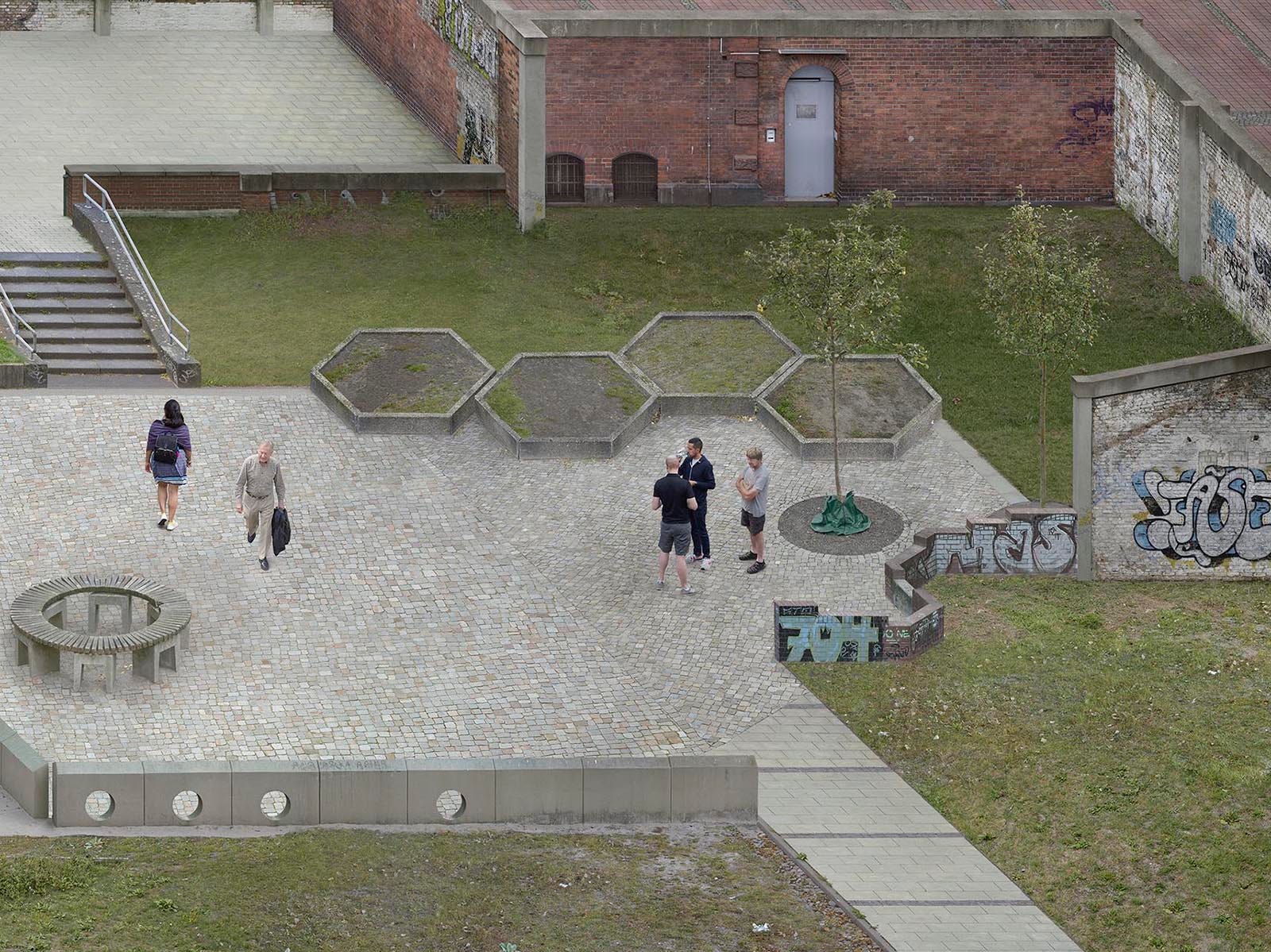
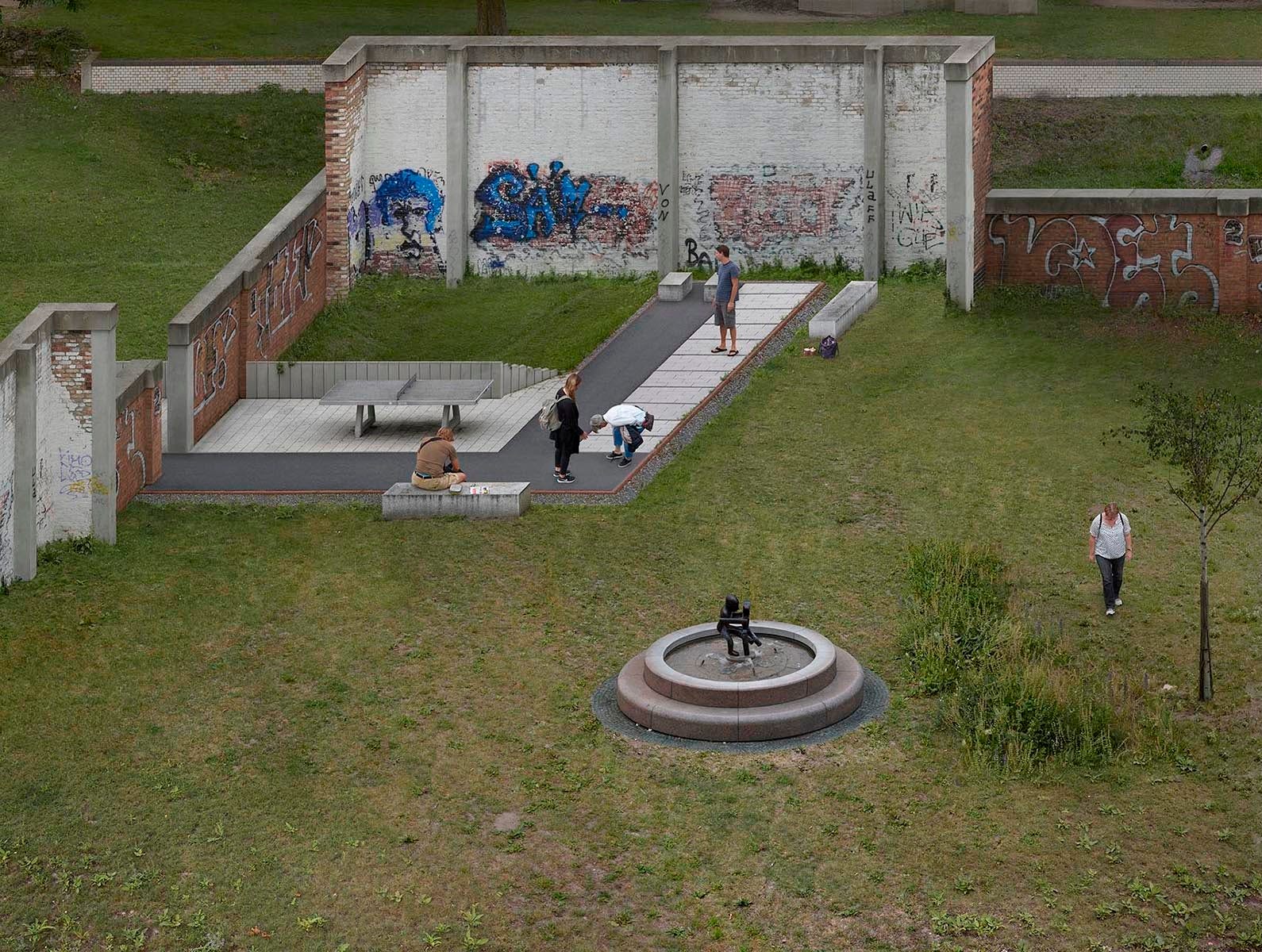
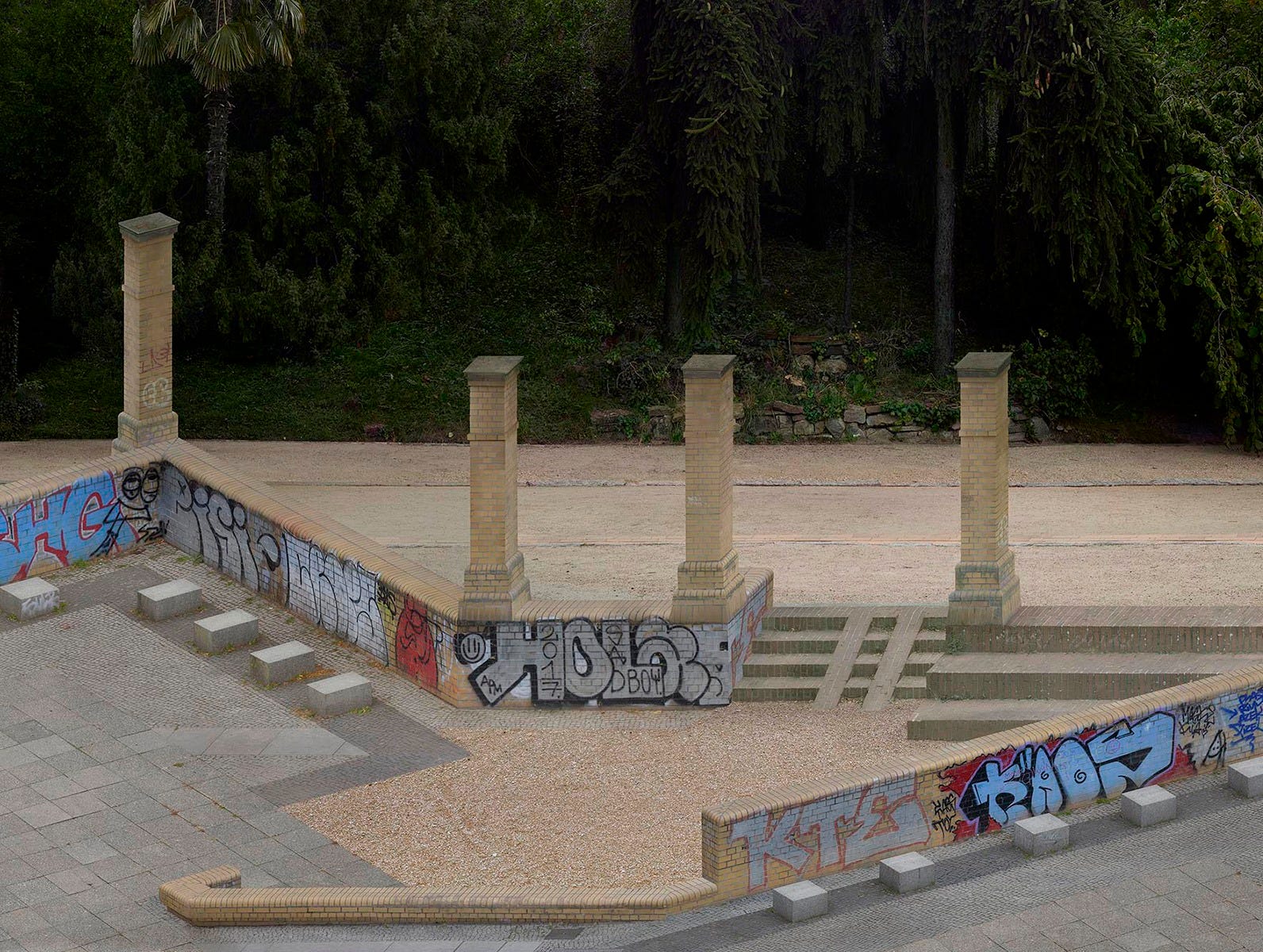
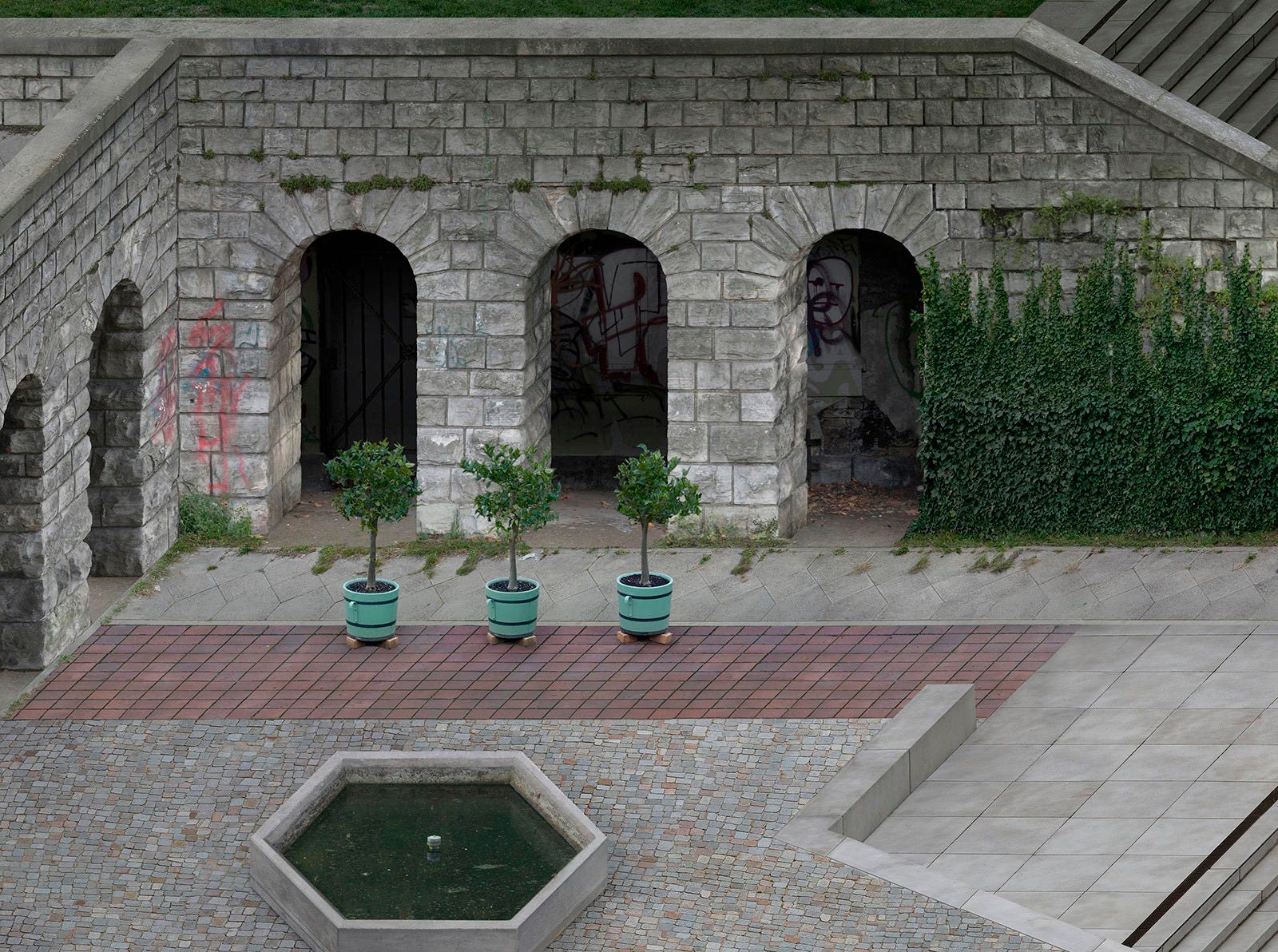
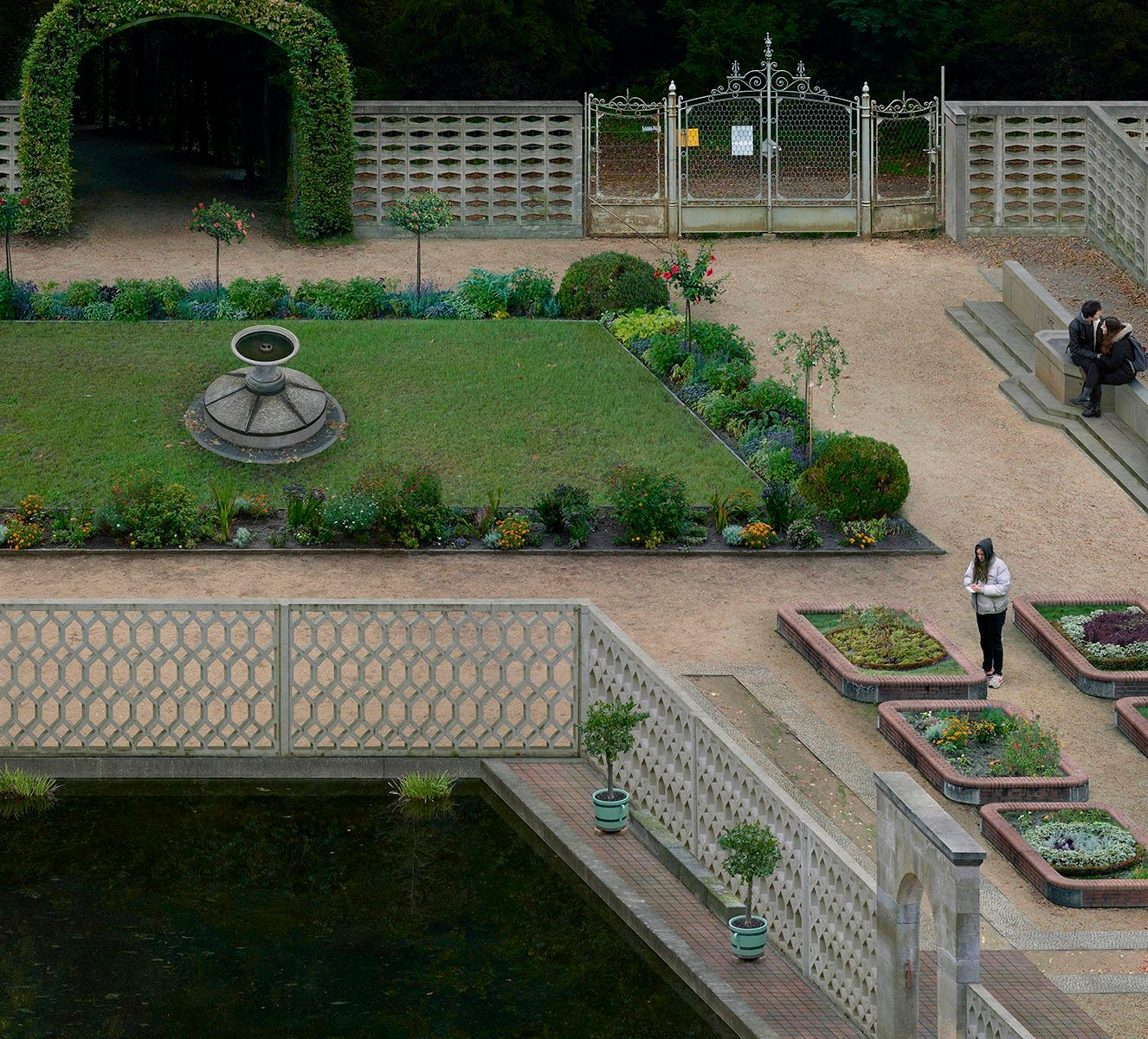
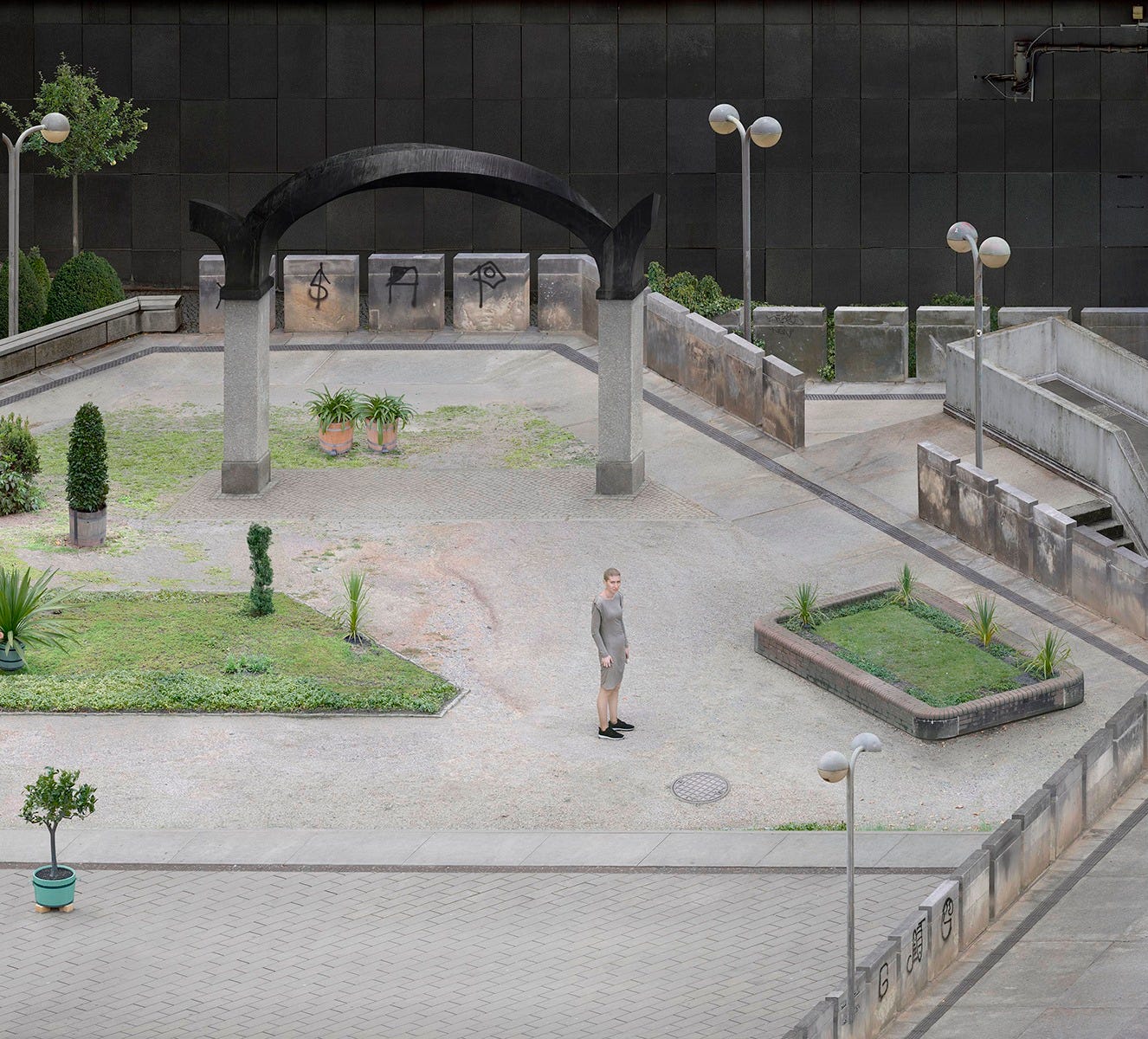
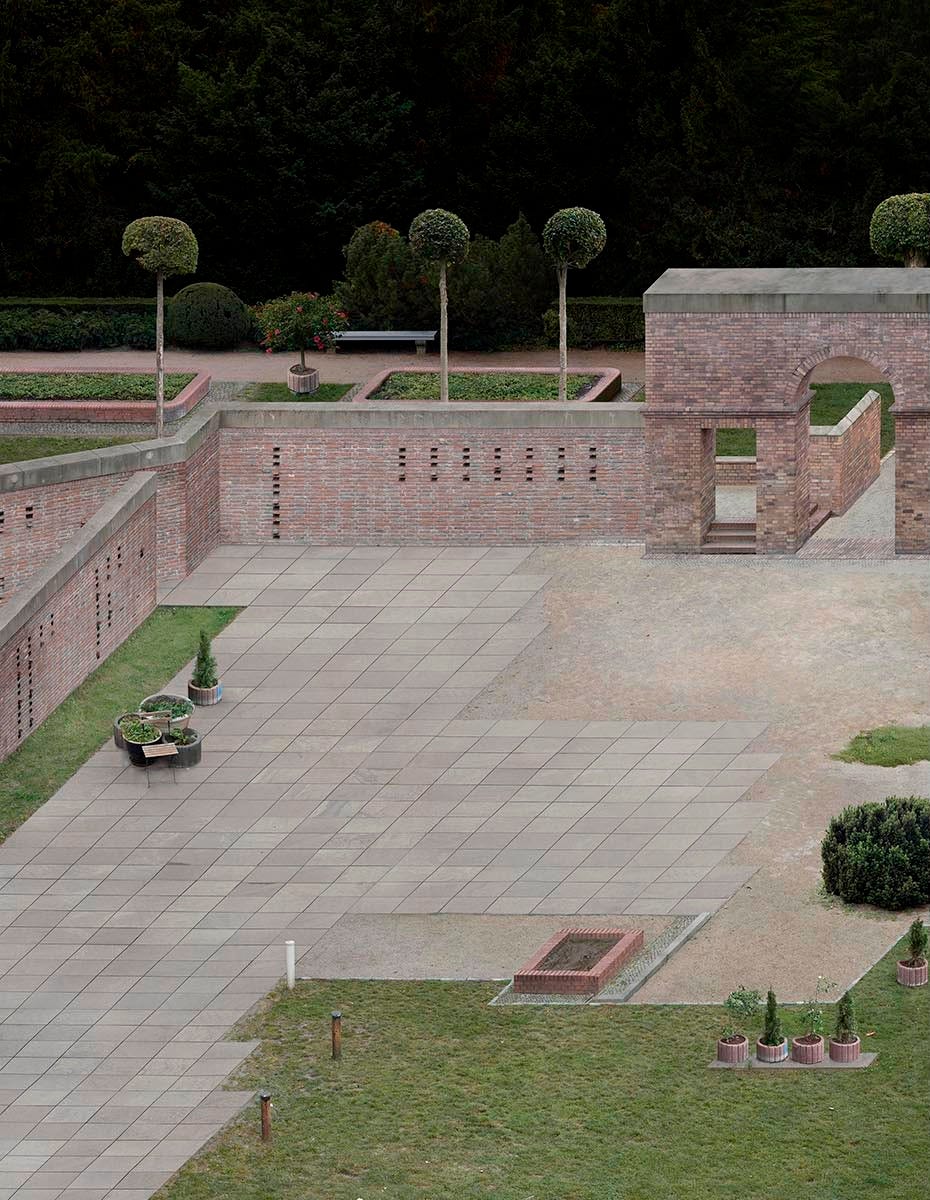
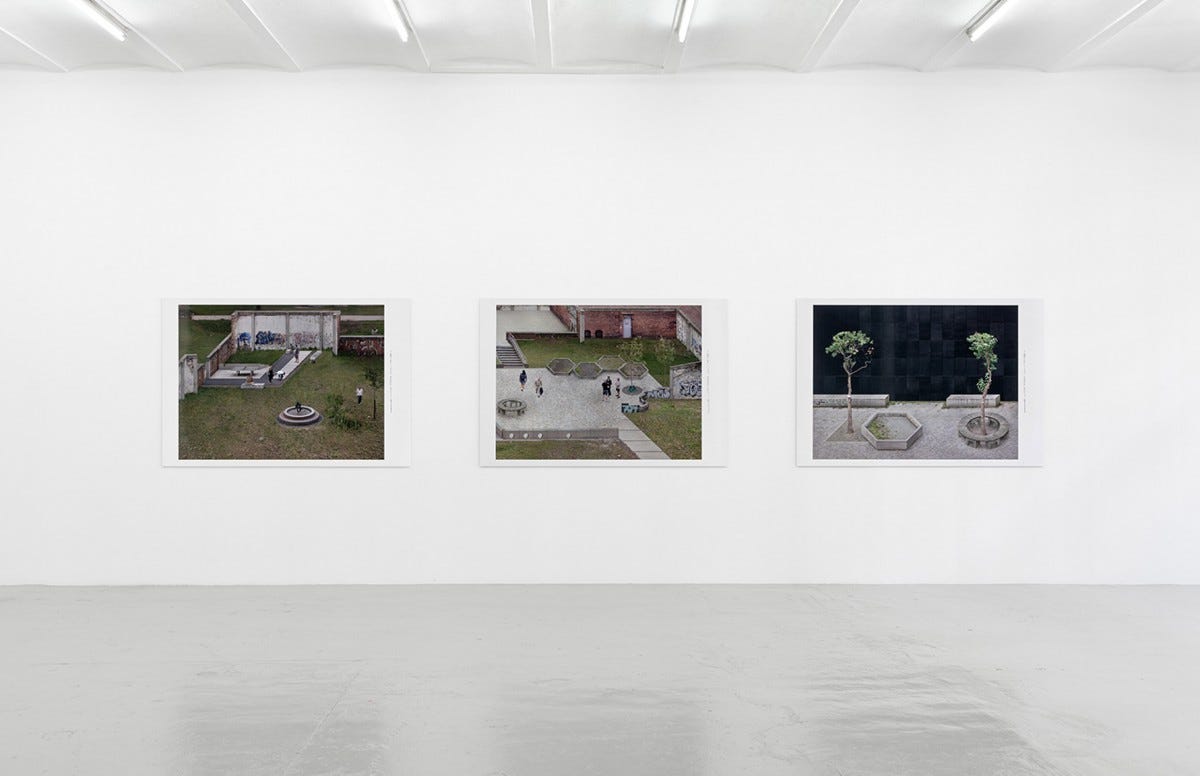
For her series HC, Hortus Conclusus, she delved into the subject of “Enclosed gardens,” a recurring iconographic motif in Renaissance and Medieval paintings which would depict an idyllic scene contained in the space of a fenced or walled green space inaccessible to an exterior public.
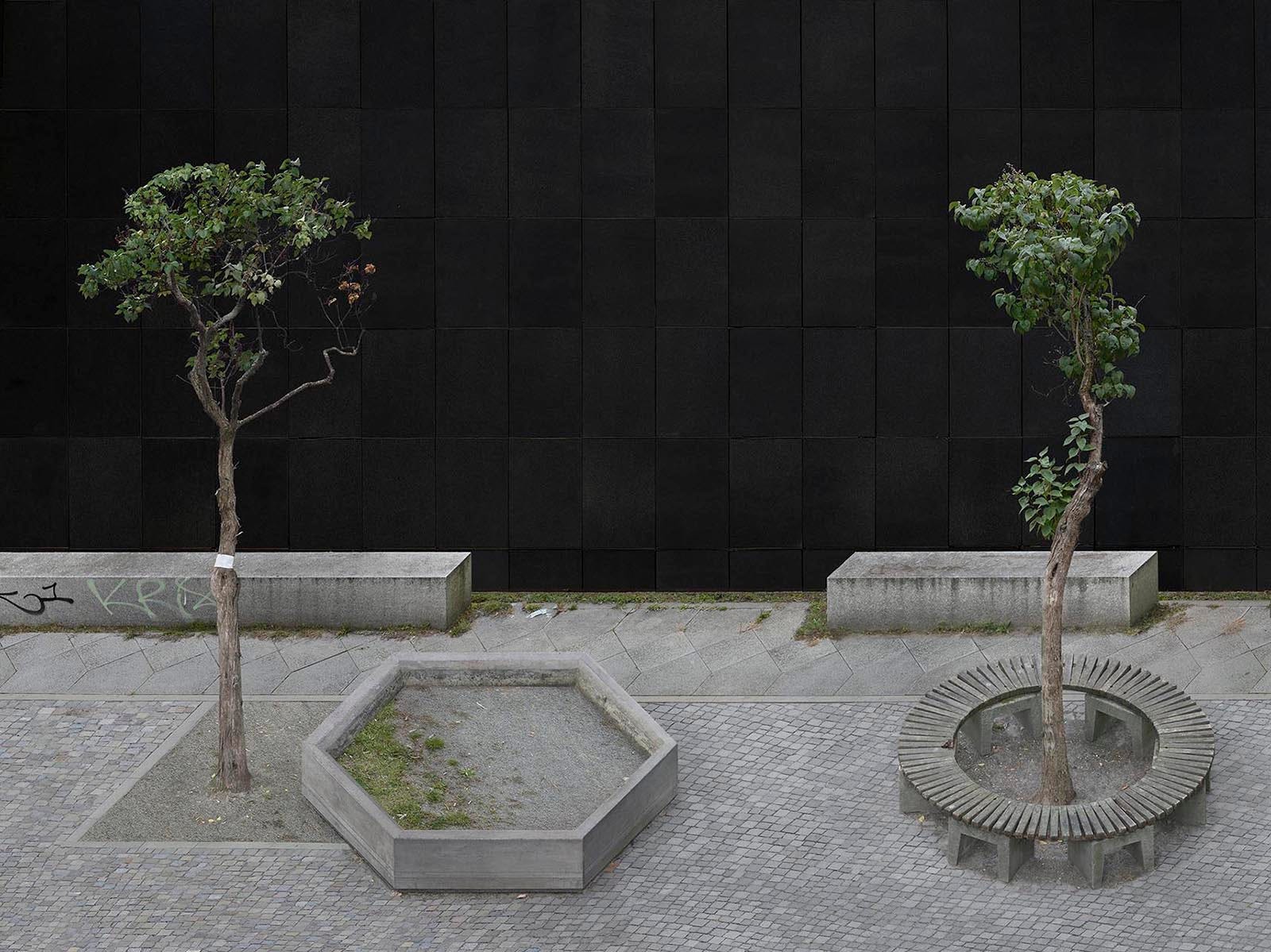
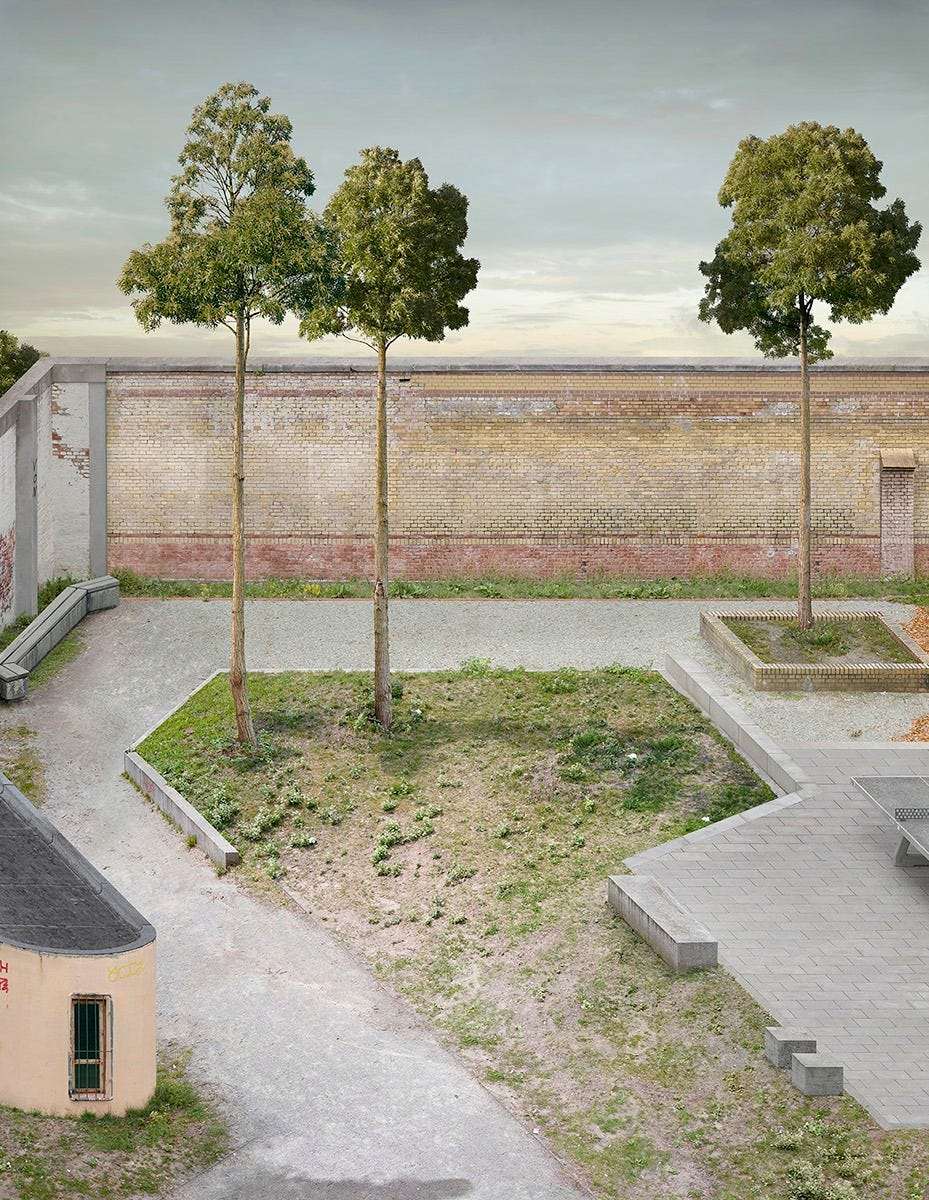
Gütschow’s Hortus conclusus is actualized in a sequence of contemporary scenes where the fences are graffiti-covered walls, urban infrastructures, decaying enclosures and the gardens are green patches in small urban parks surrounded by tar and cobblestone walkways or sand areas. The scenes are inhabited by casual passers-by and punctuated by traces of the time passing, abandonment and decay.
Mariabruna Fabrizi | Socks
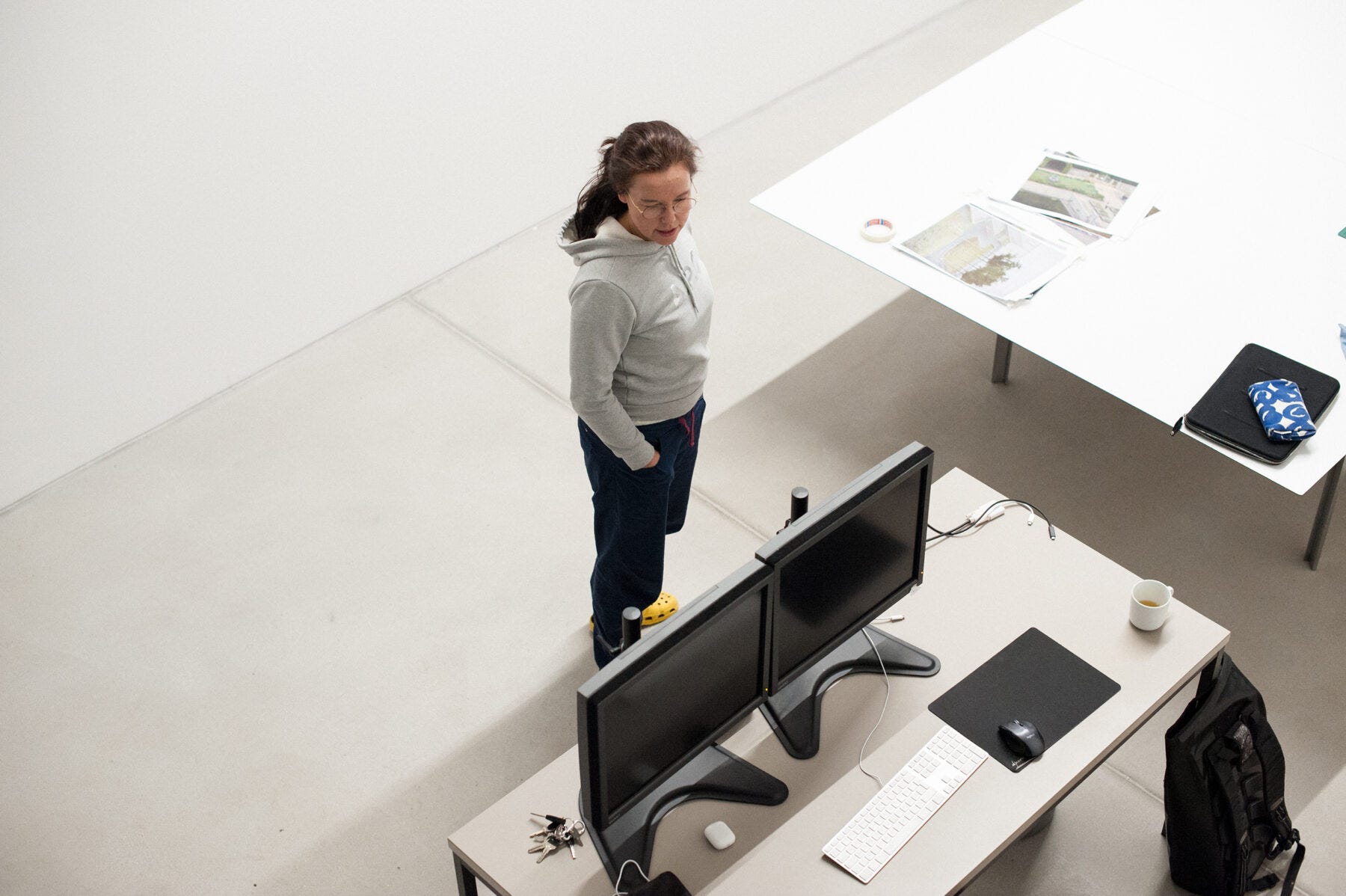
For each work, she takes up to 150 photos of individual objects, such as walls, benches and plant troughs, to assemble them digitally as photogrammetric models. […] In this way, for example, the depth contours of cubes are turned into rhombuses, so the lines in the picture do not converge but run parallel.
Sara Hilnhütter
In the Middle Ages, many images were rendered in parallel perspective; the viewpoint is always elevated. I have employed these spatial representations in my images. You will find these principles in many images of gardens in medieval book illustrations. Linear perspective was not developed until the Late Middle Ages; prior to this, artists employed multiple perspectives. These did not obey a particular spatial logic; instead, the available perspectives served a narrative purpose.
Beate Gütschow