Avinash Chandra
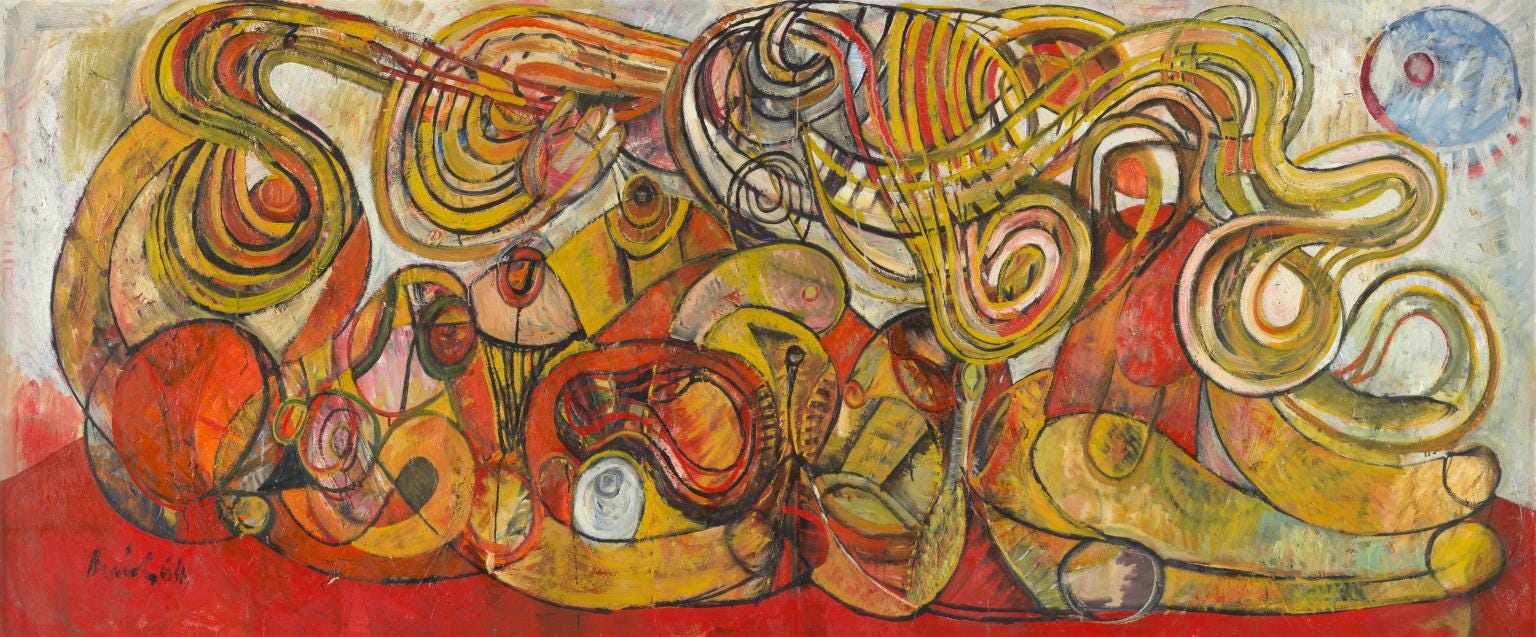
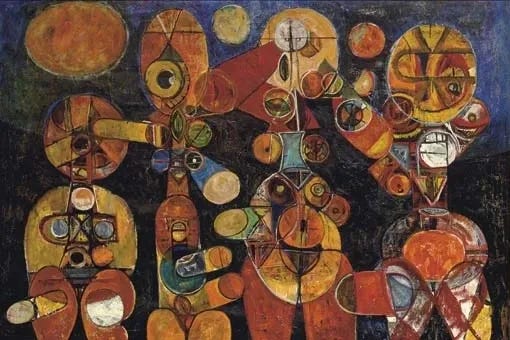
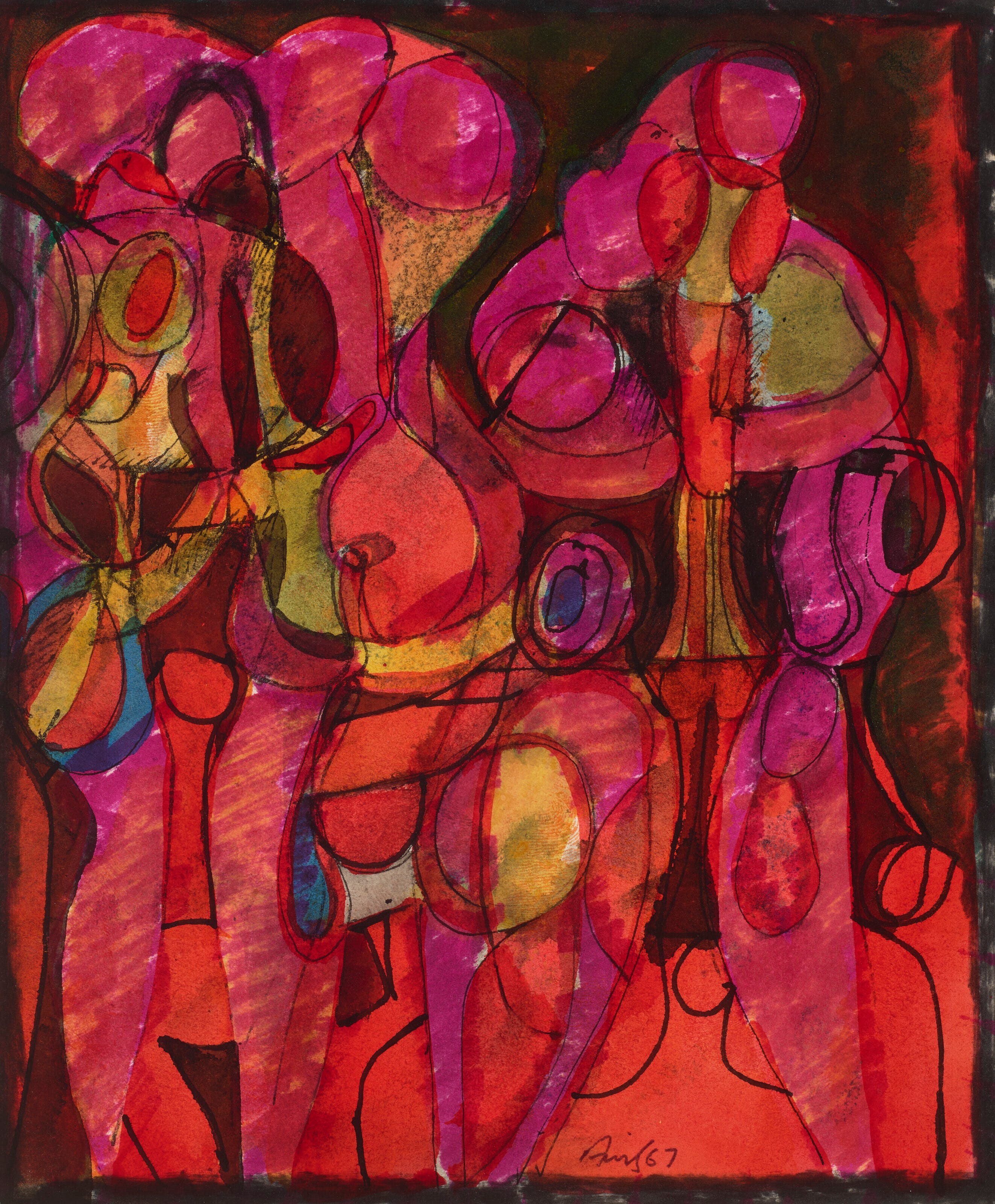
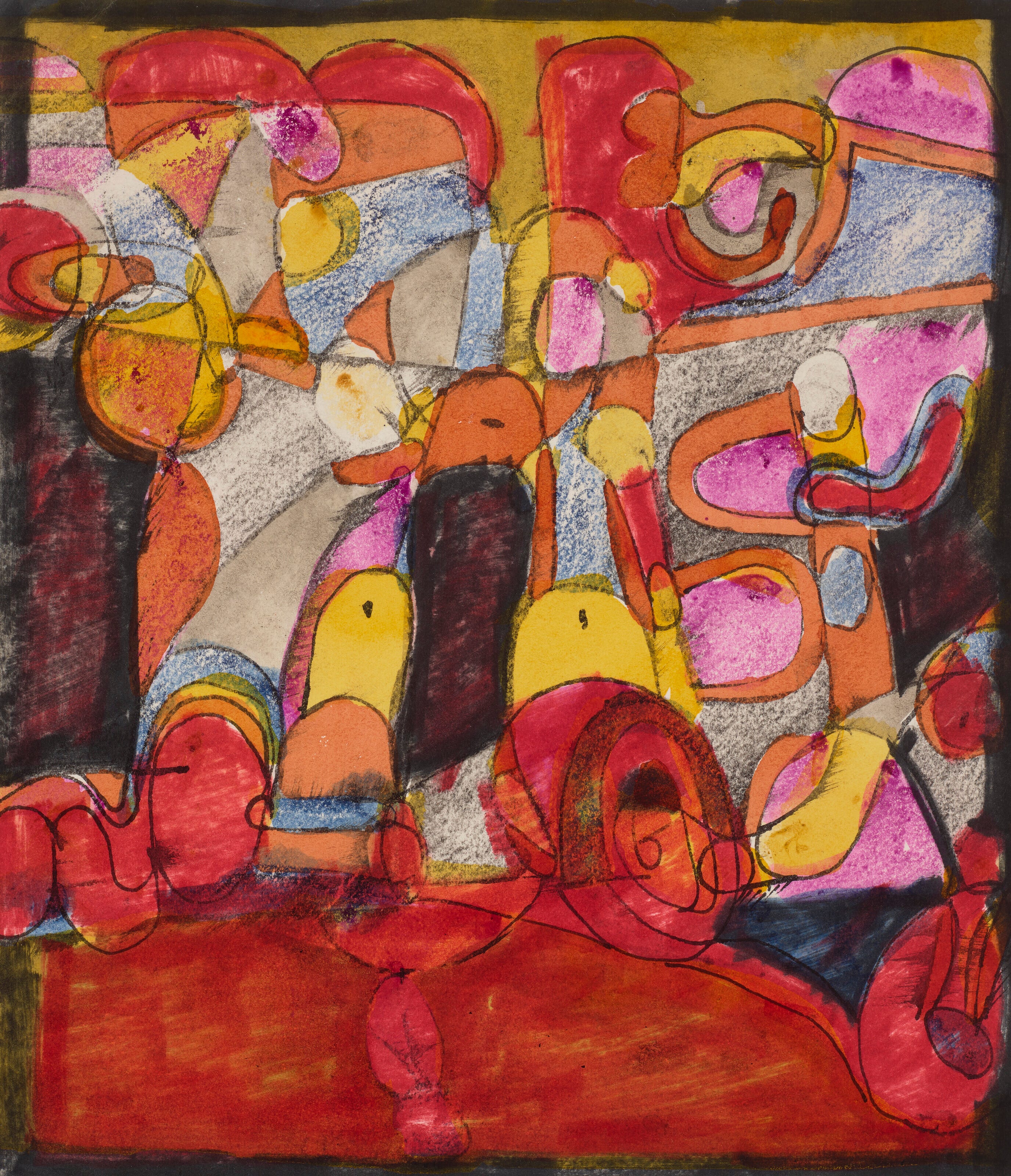
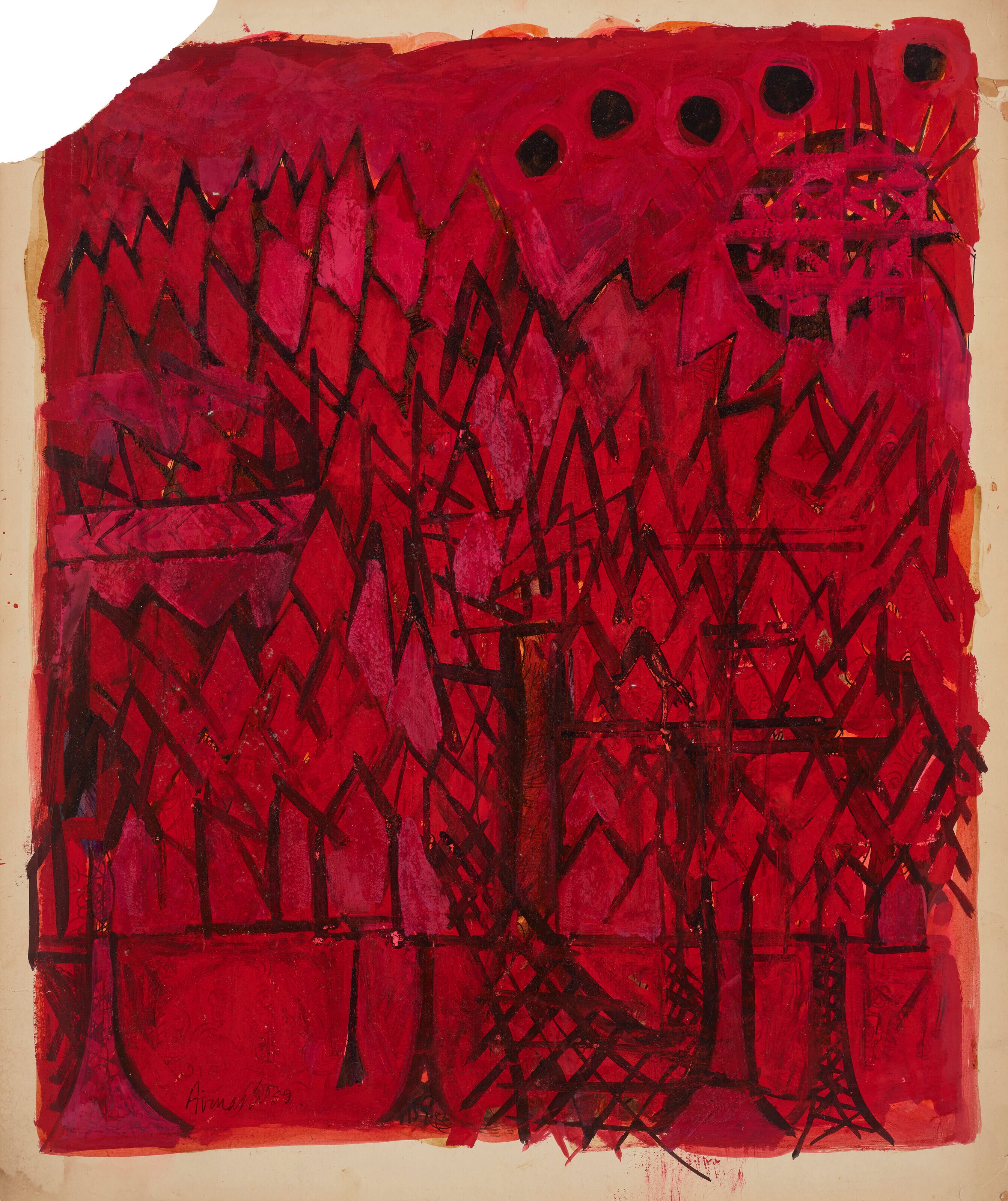
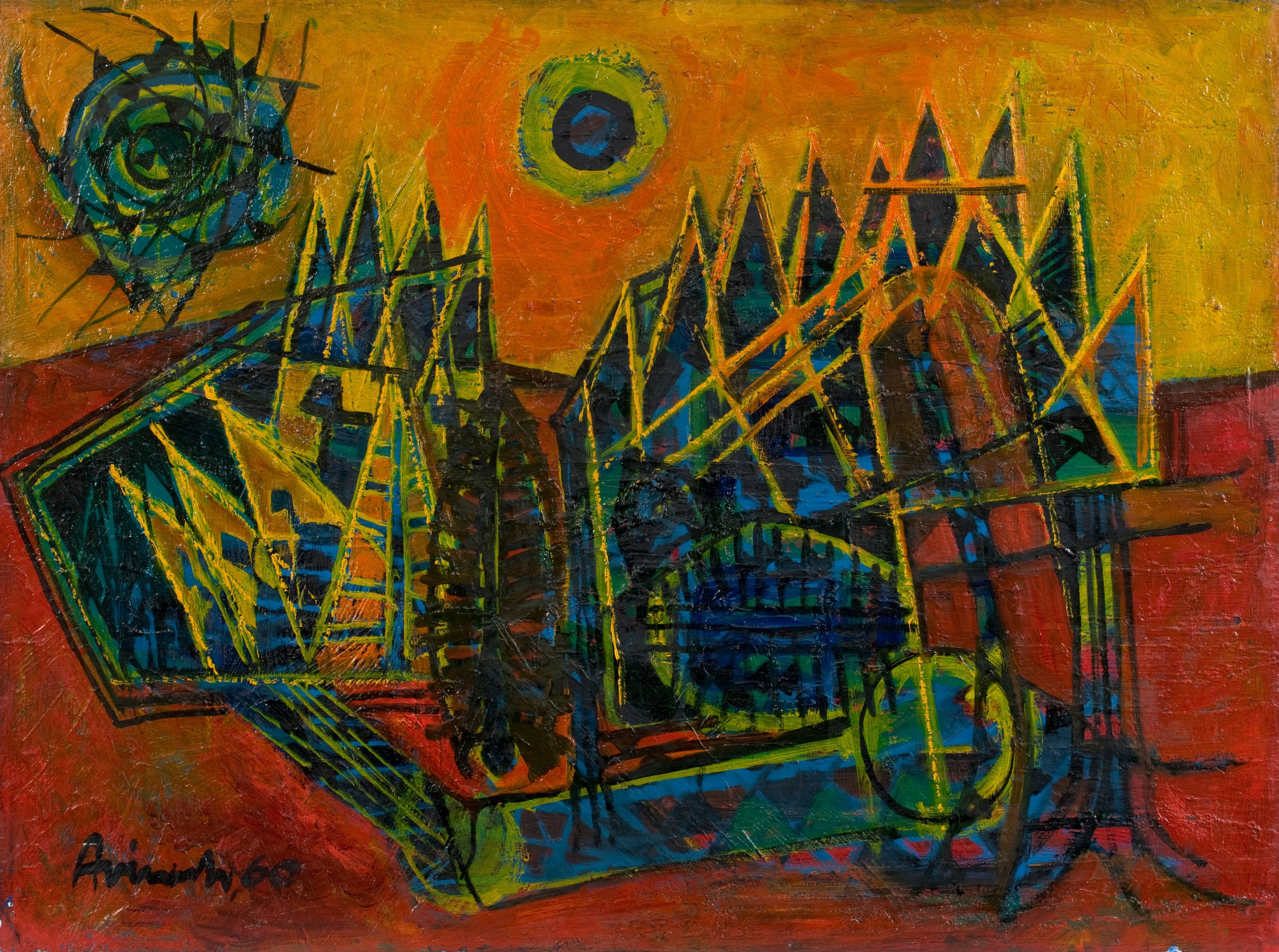
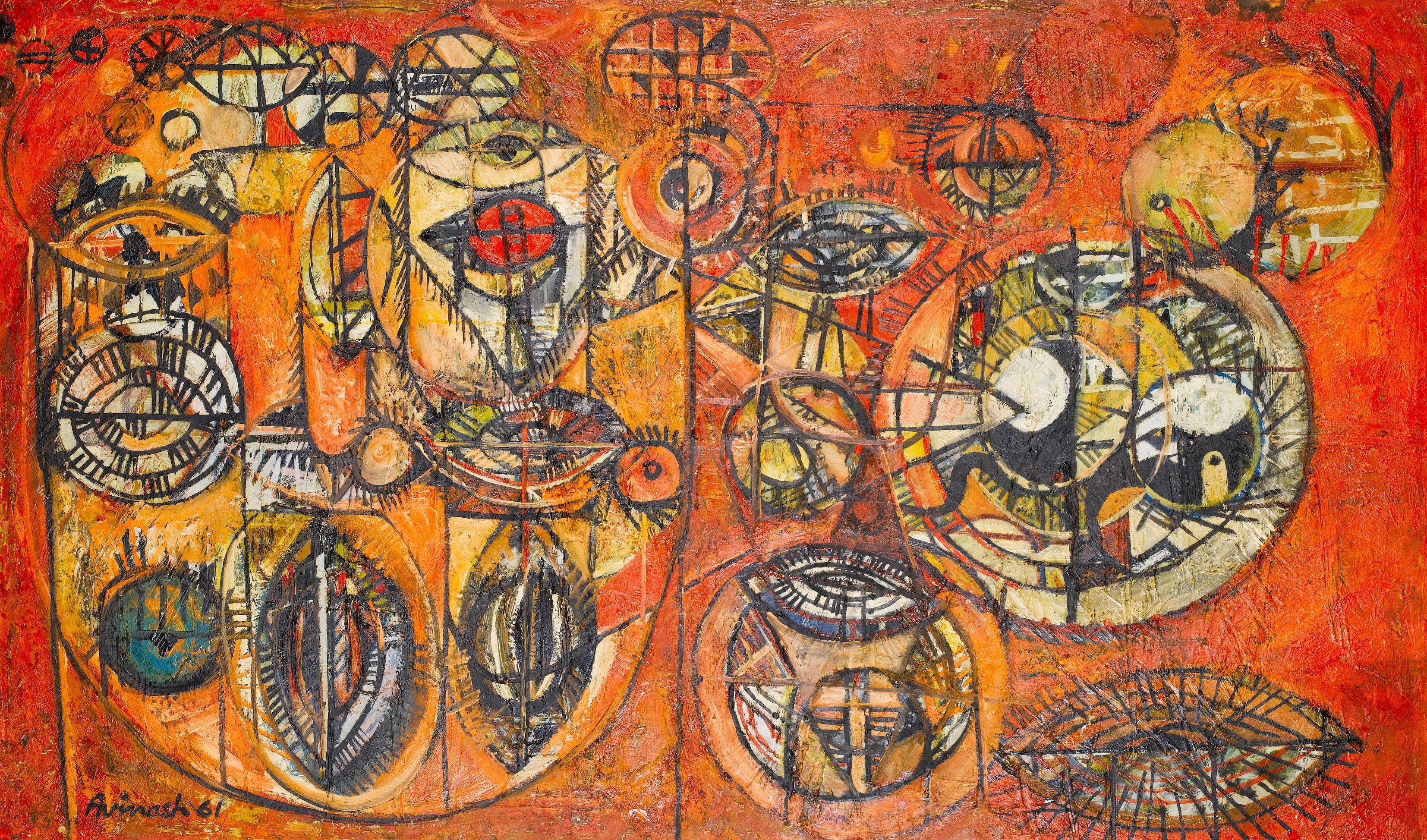
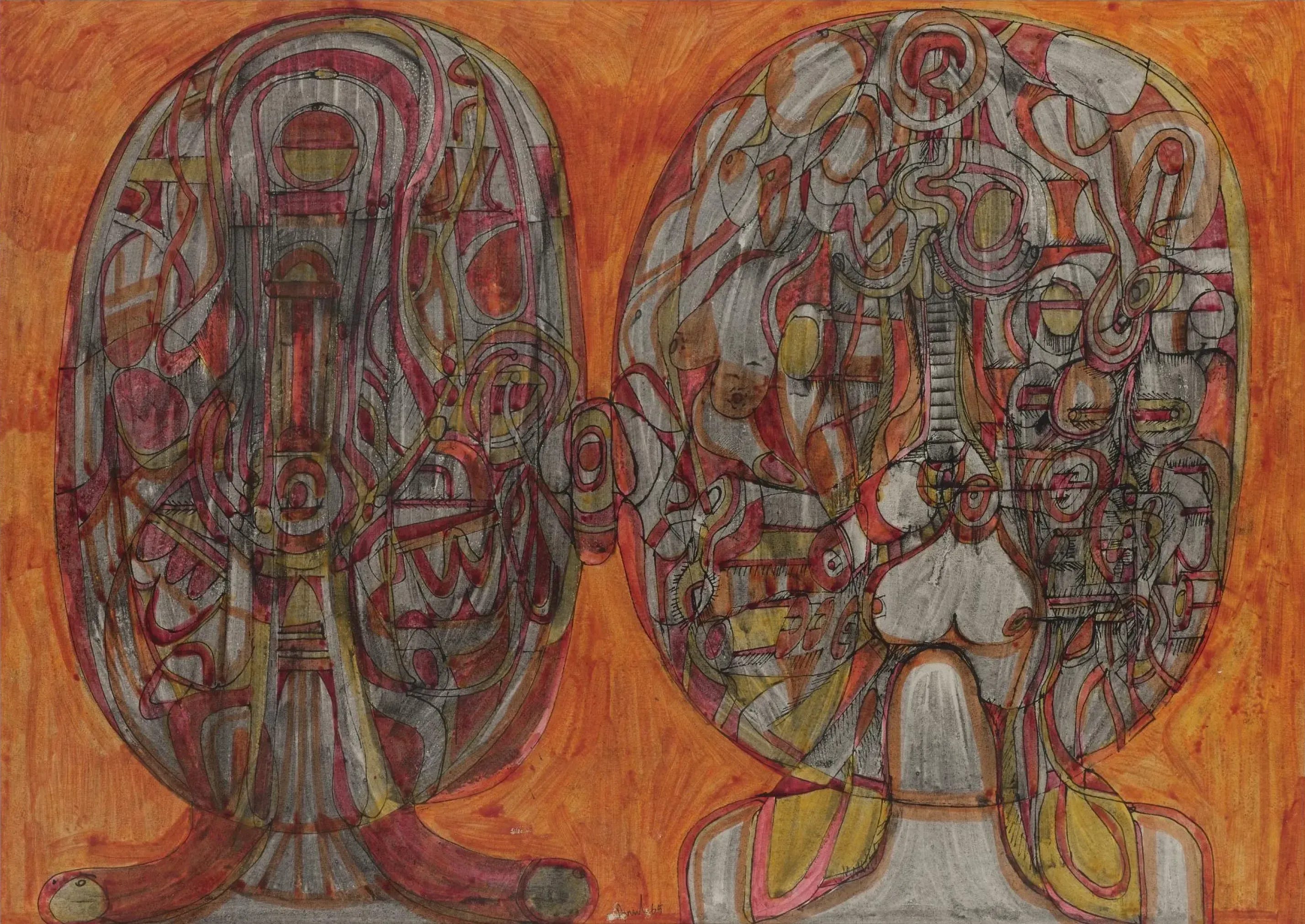
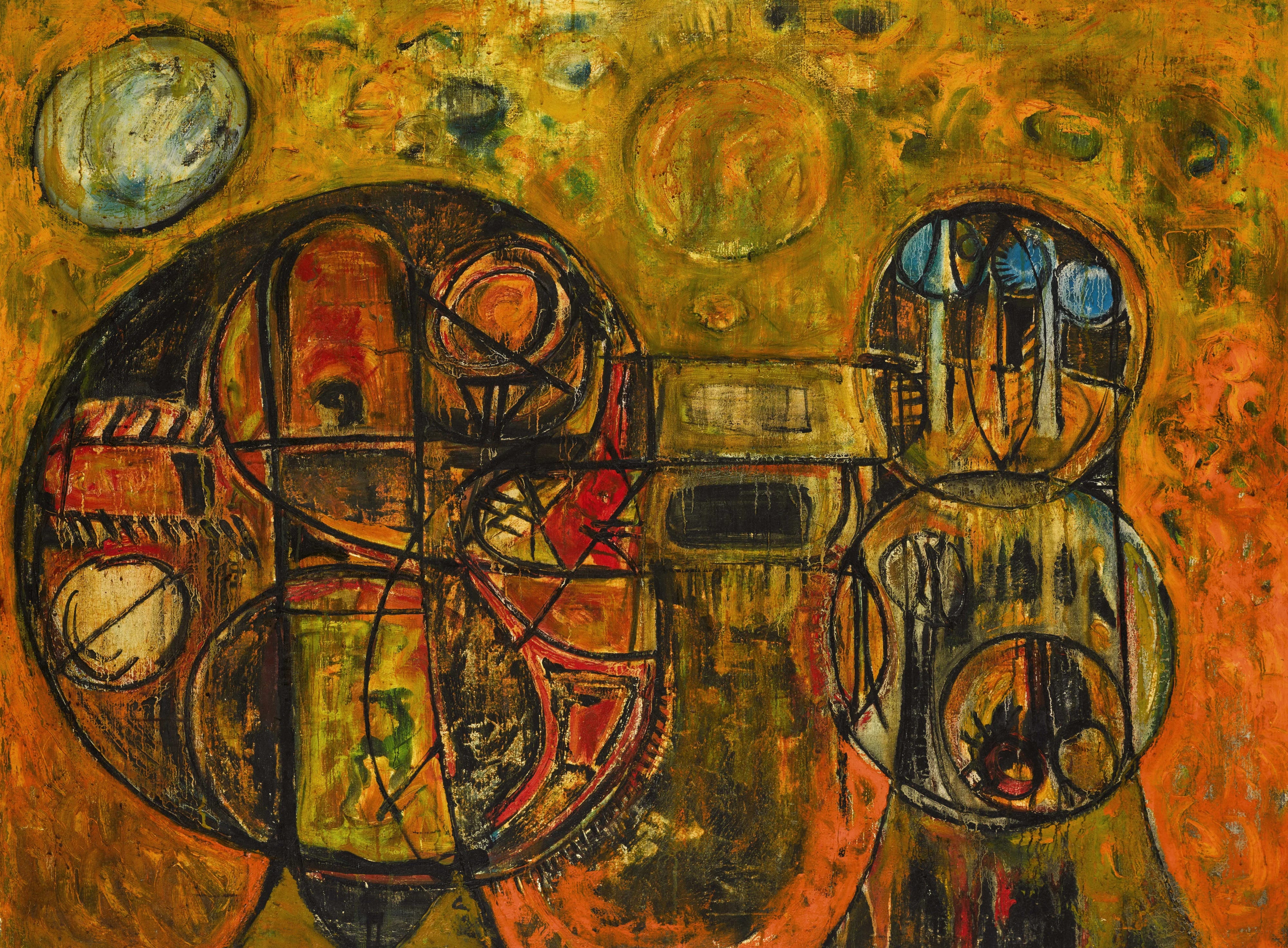
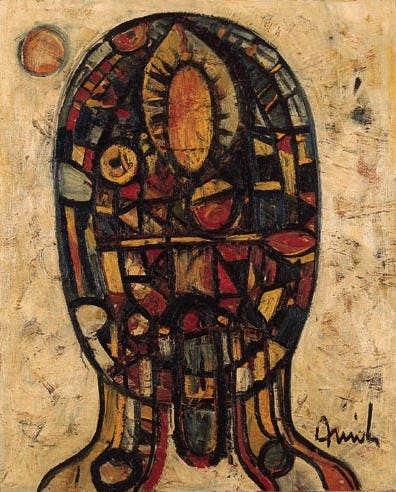
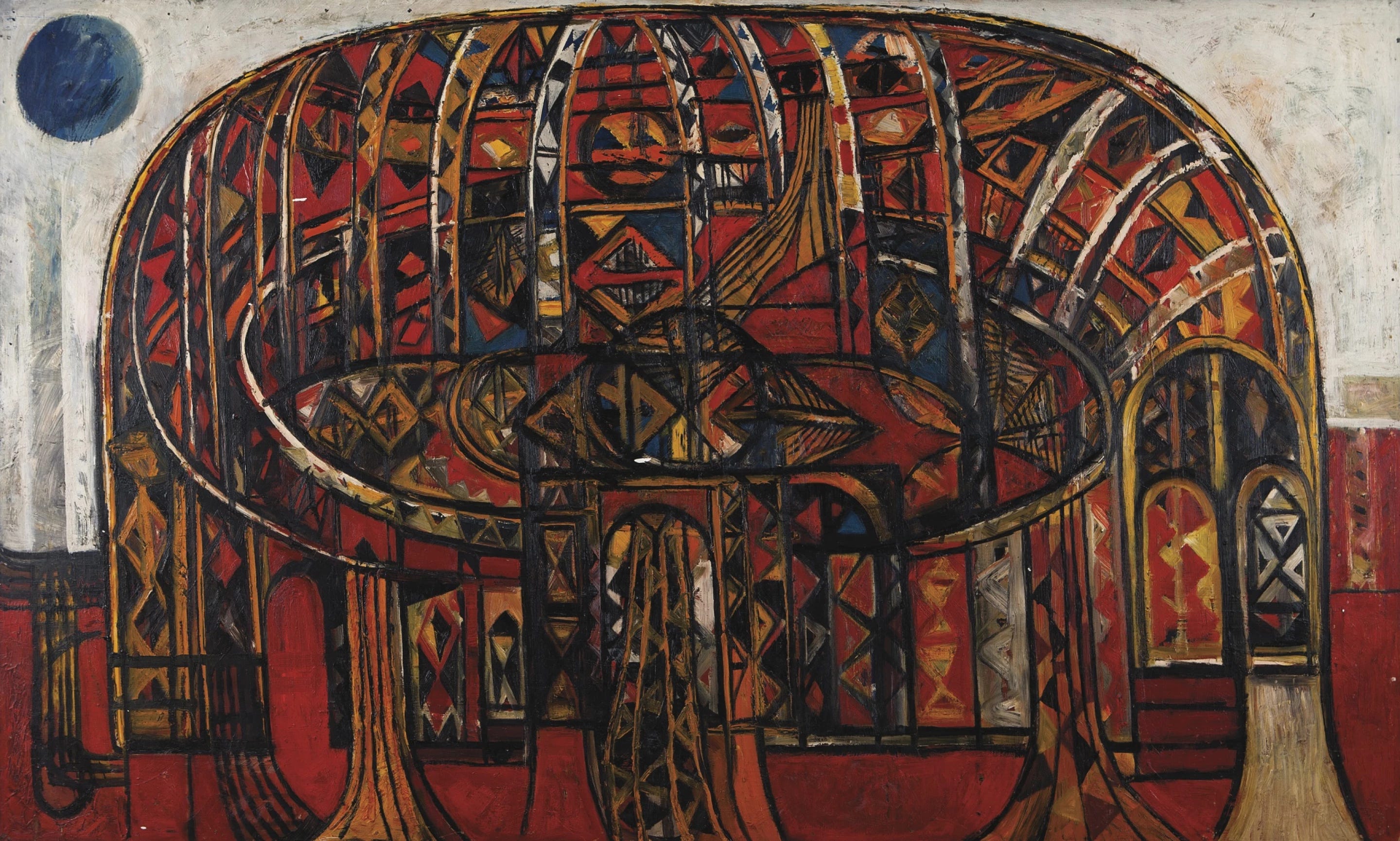
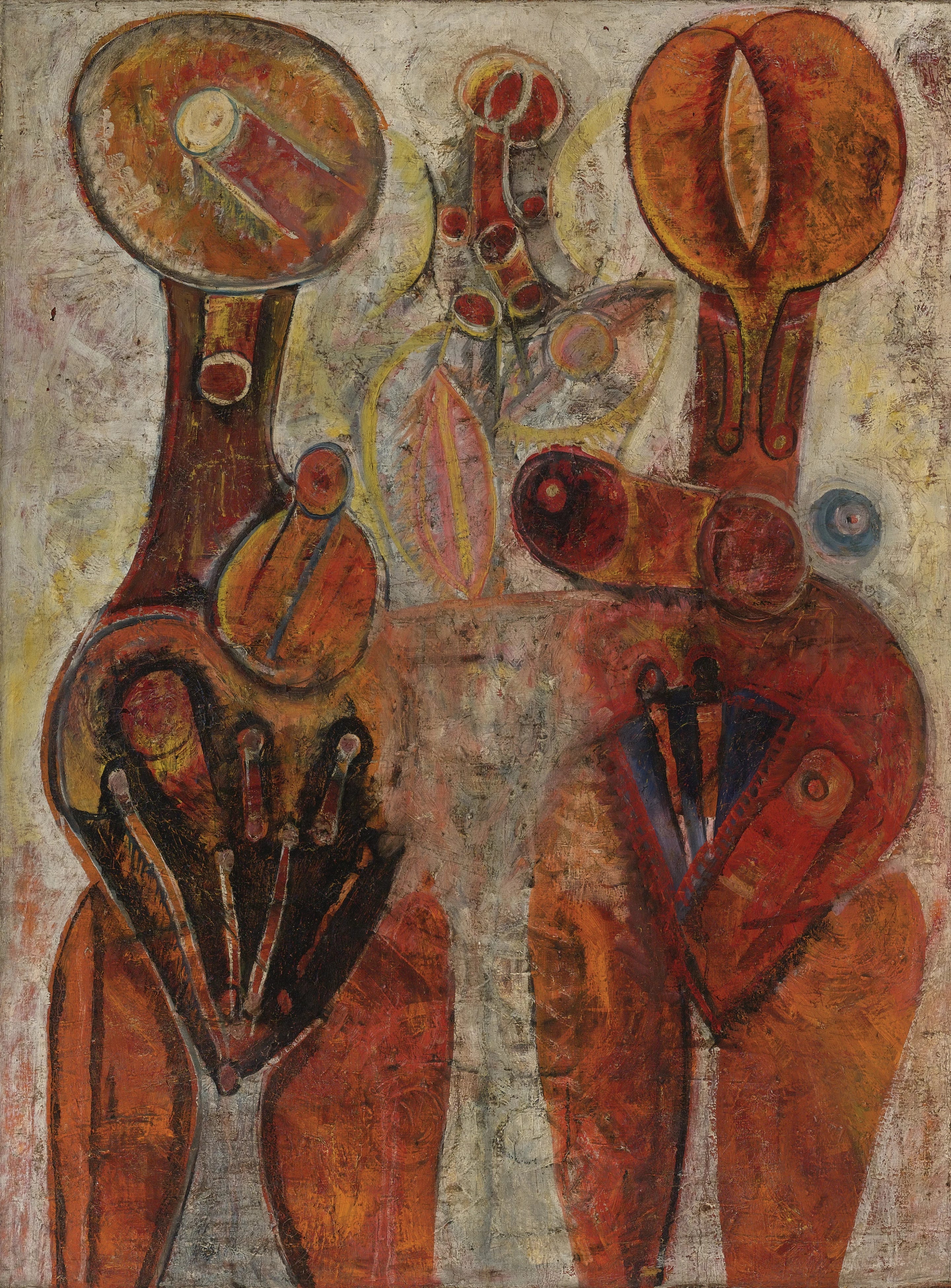
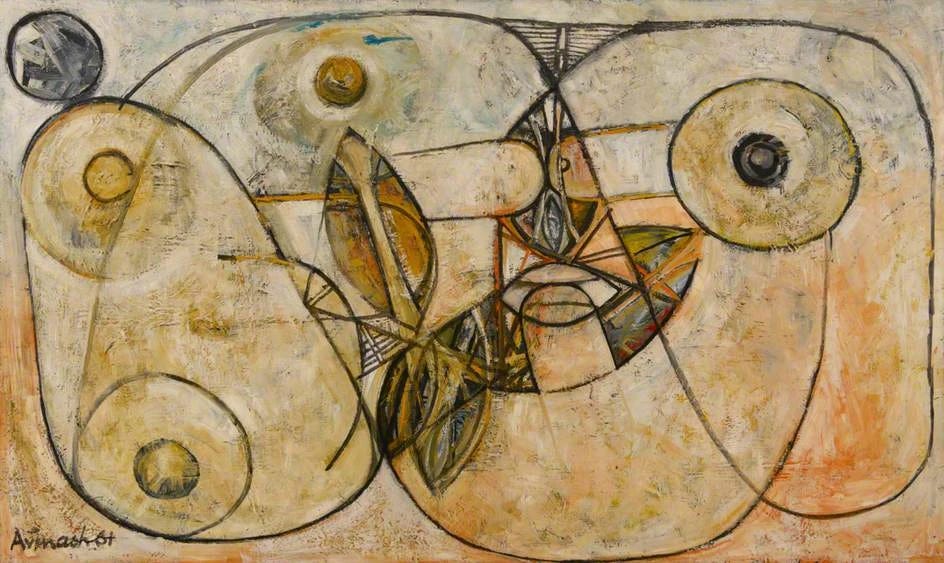
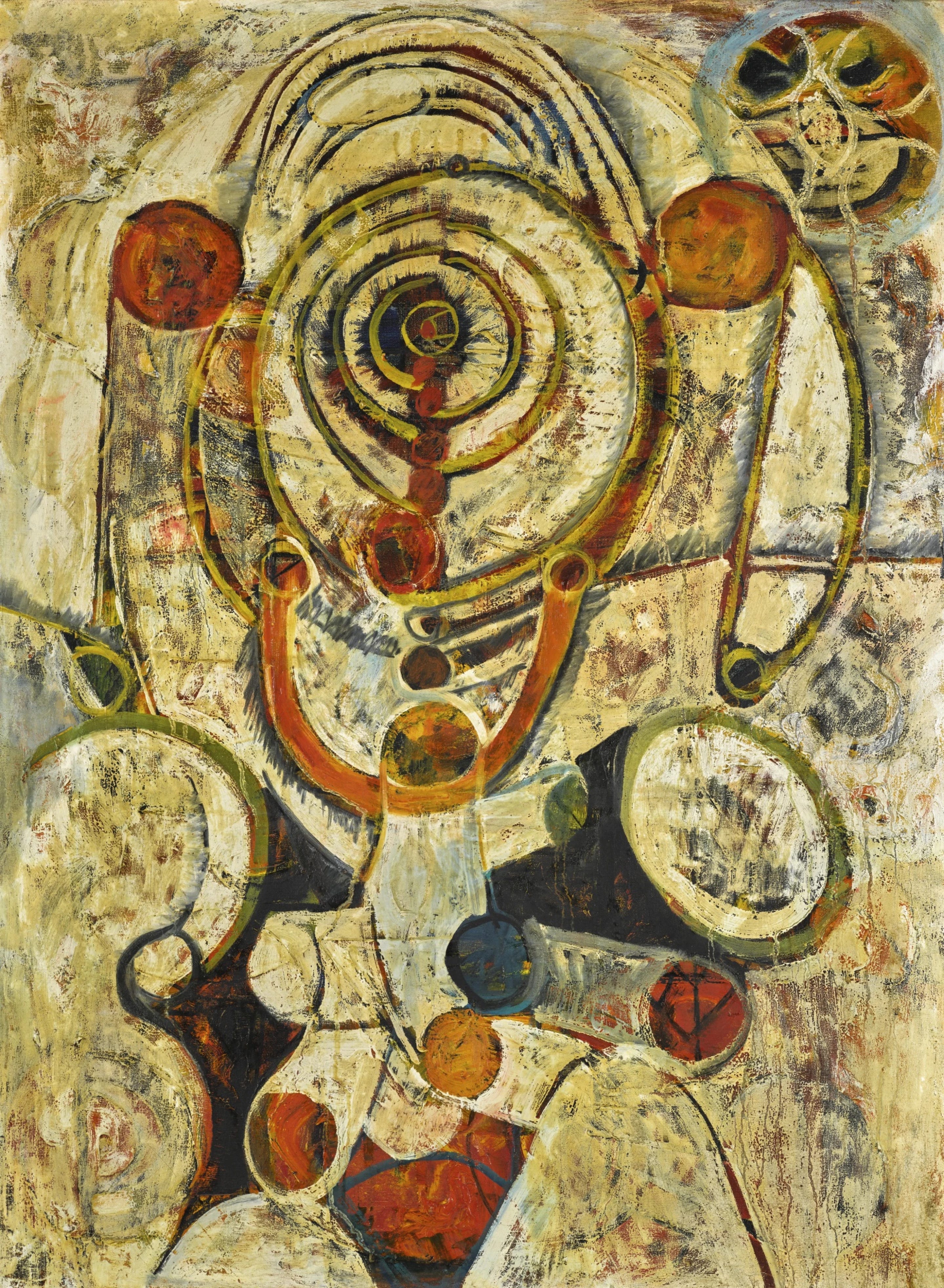
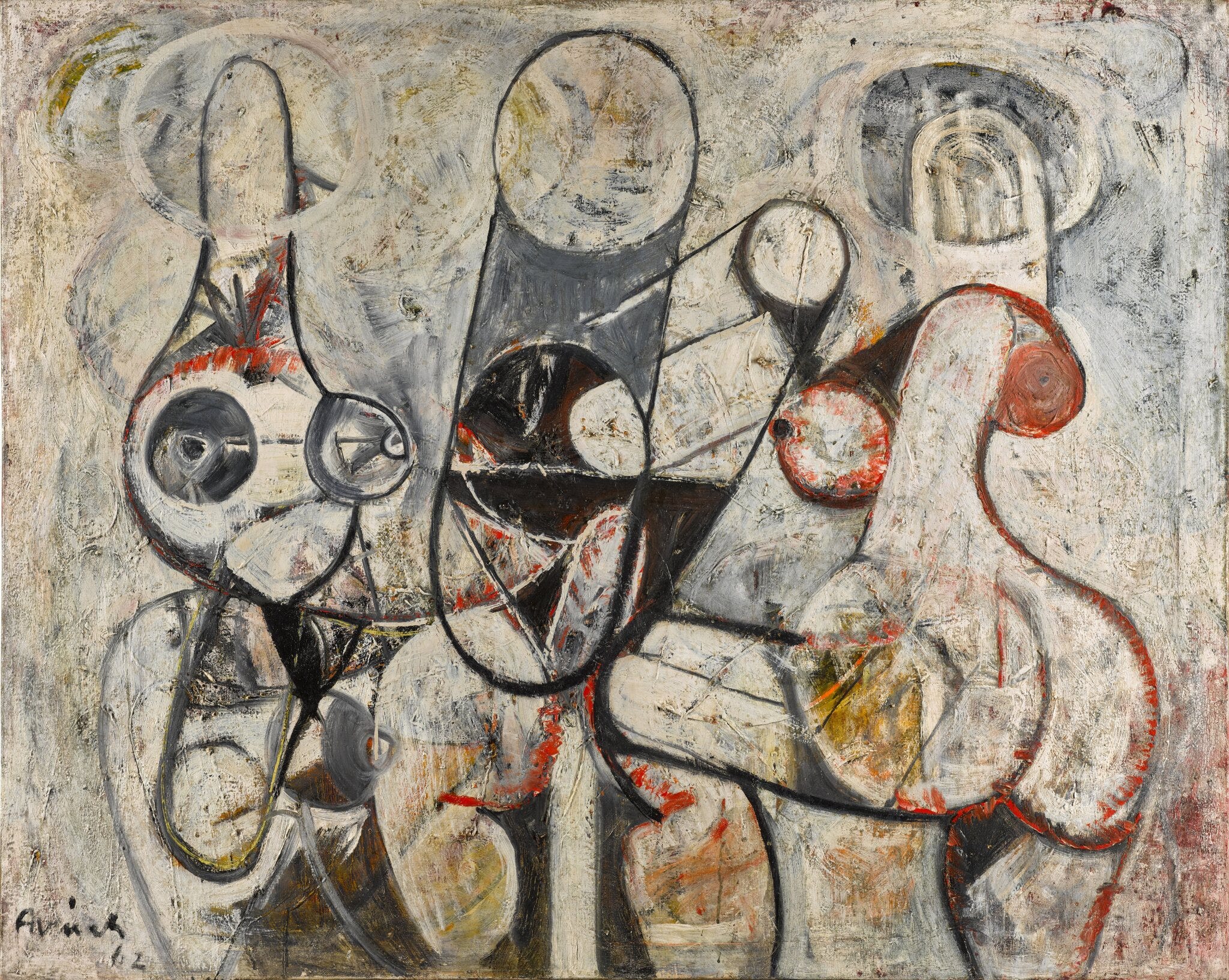
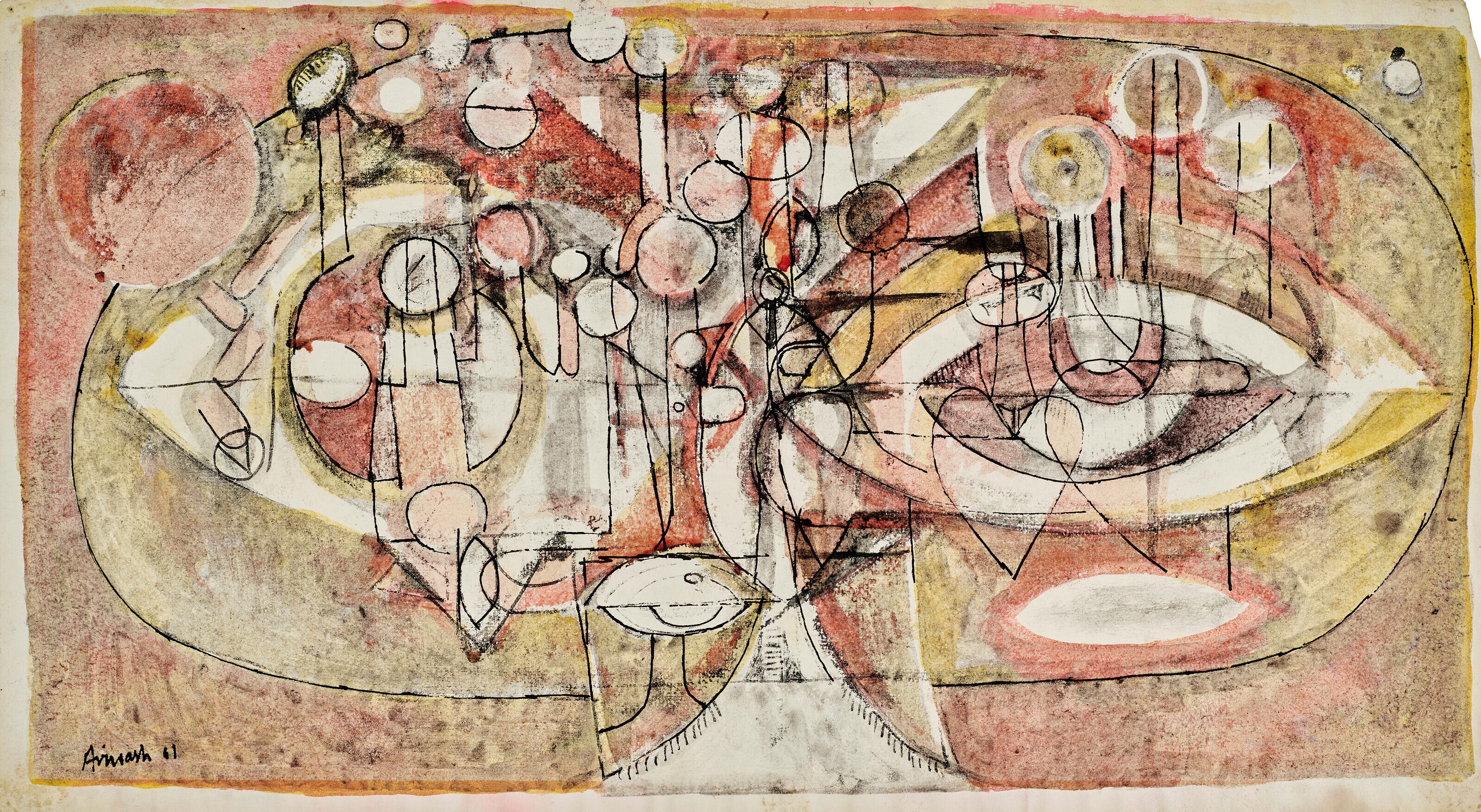
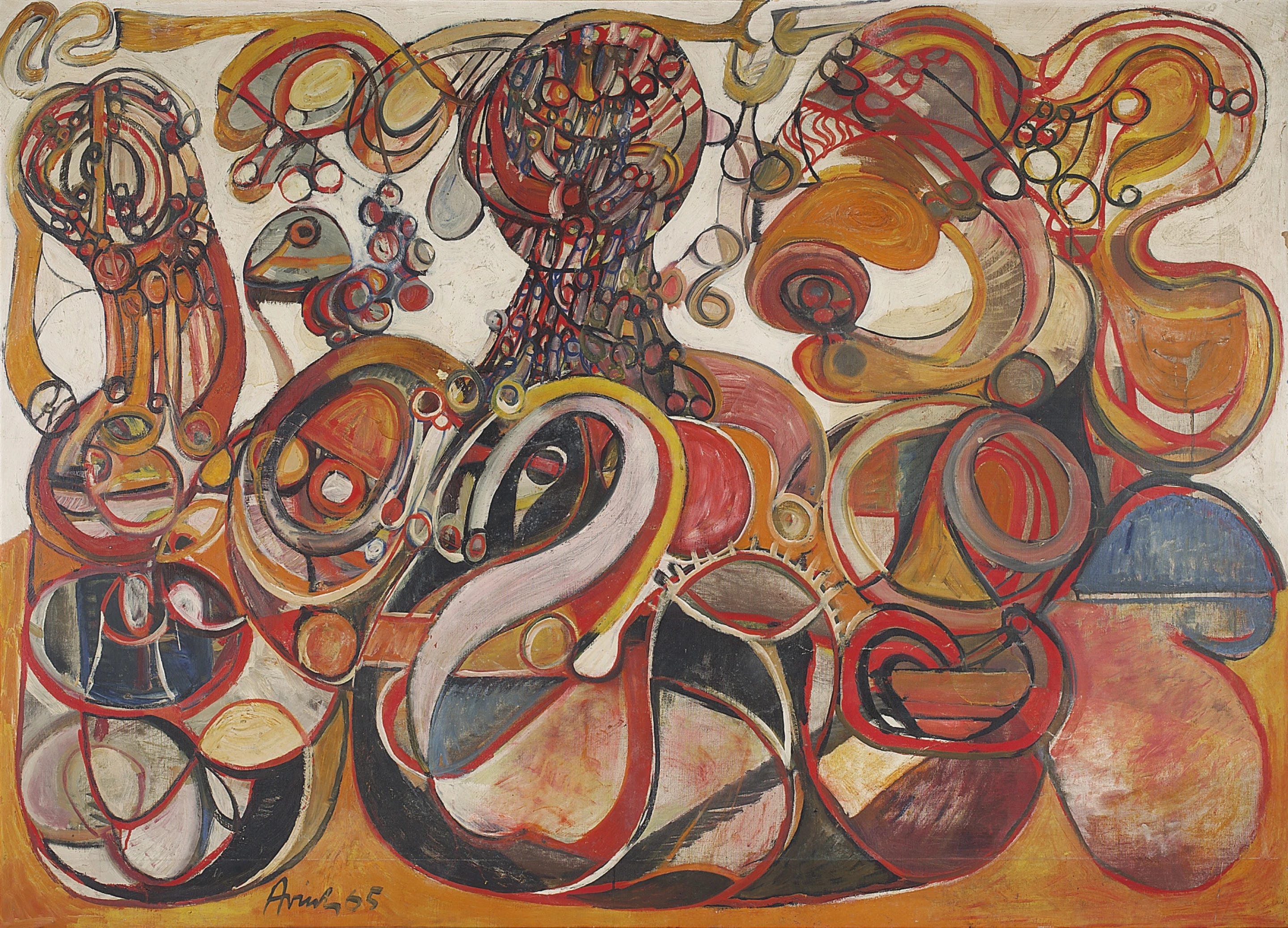
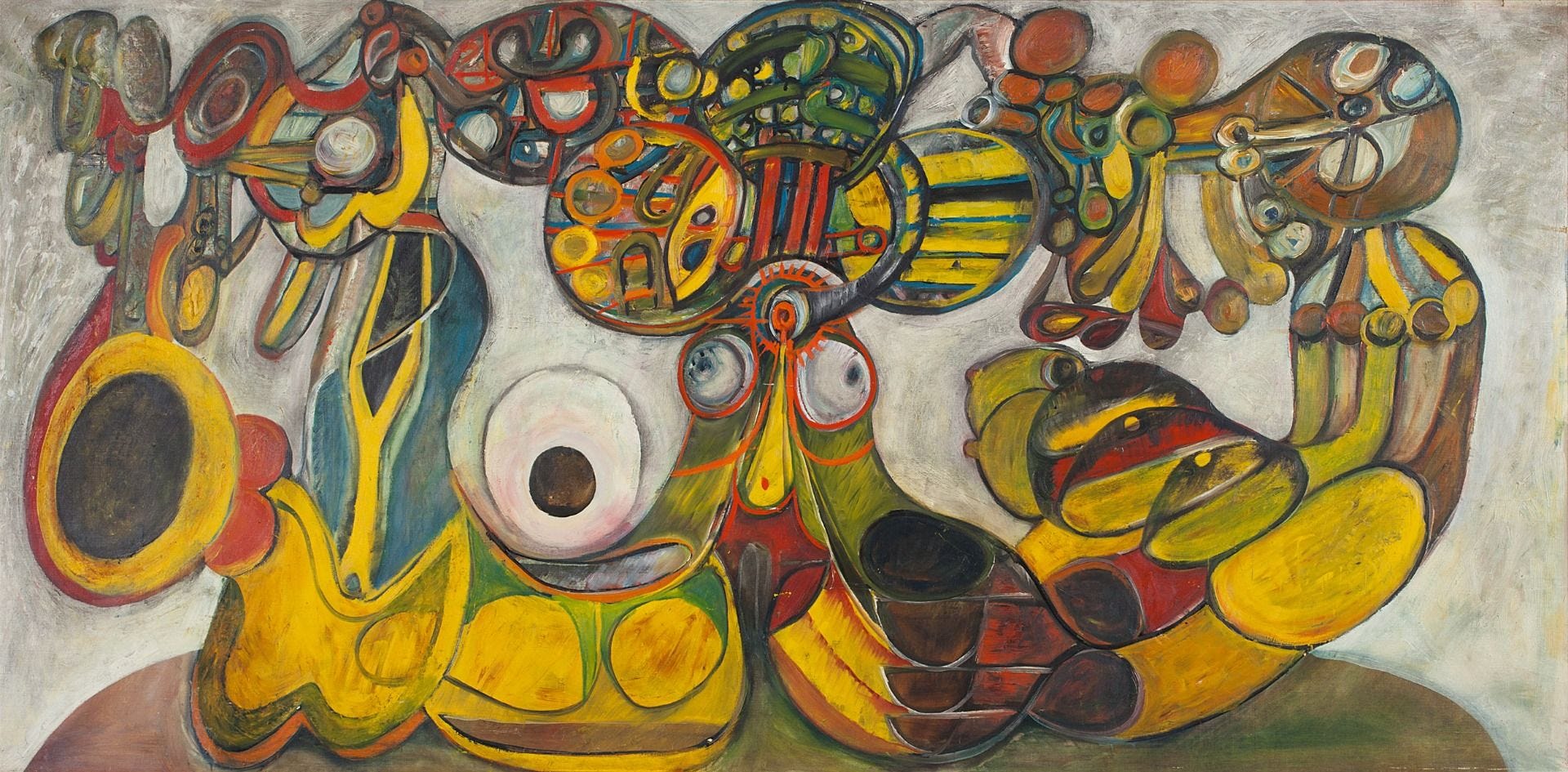
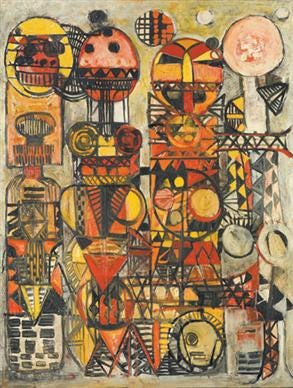
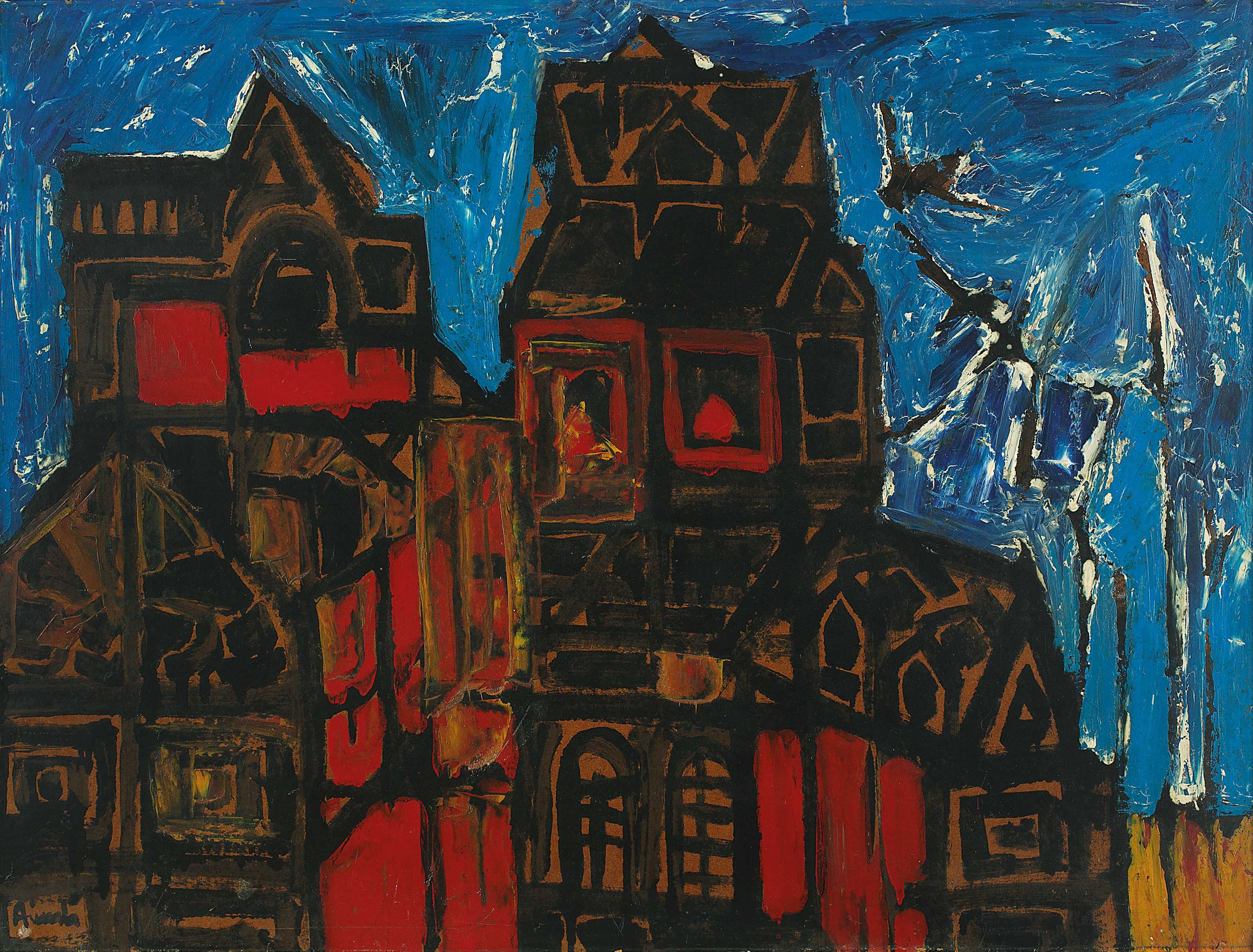
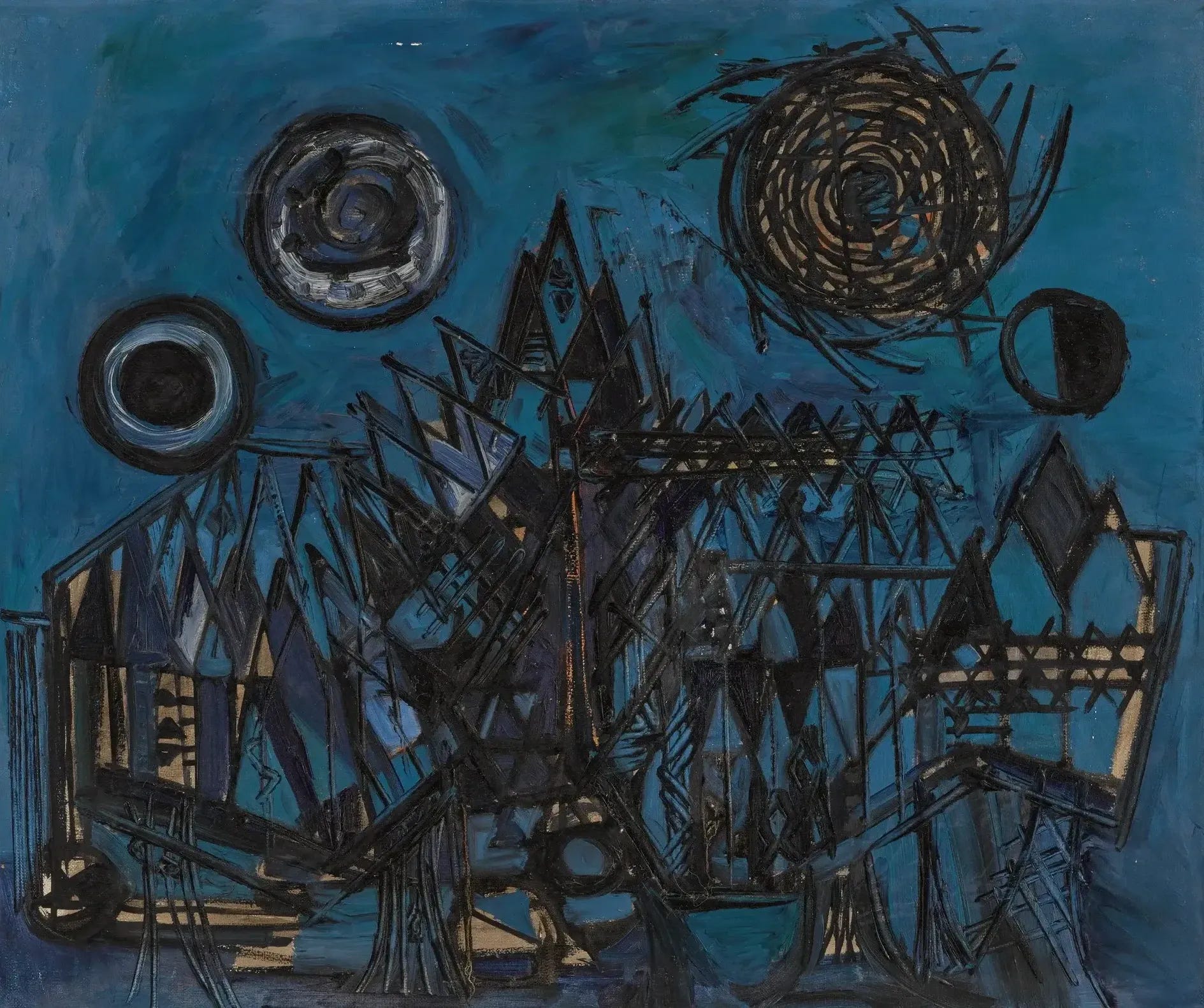
Hills of Gold, 1964 | Untitled, 1961 | Untitled, 1967 | Untitled, 1967 | Untitled (Red Landscape), 1959 | Cityscape, 1960 | Untitled, 1961 | Two Heads/The Twins, 1965 | Composition I, 1961 | & more...
AS I WAS MOVING AHEAD OCCASIONALLY I SAW BRIEF GLIMPSES OF BEAUTY is a very simple newsletter where I share a collection of creative expressions I enjoyed coming across.
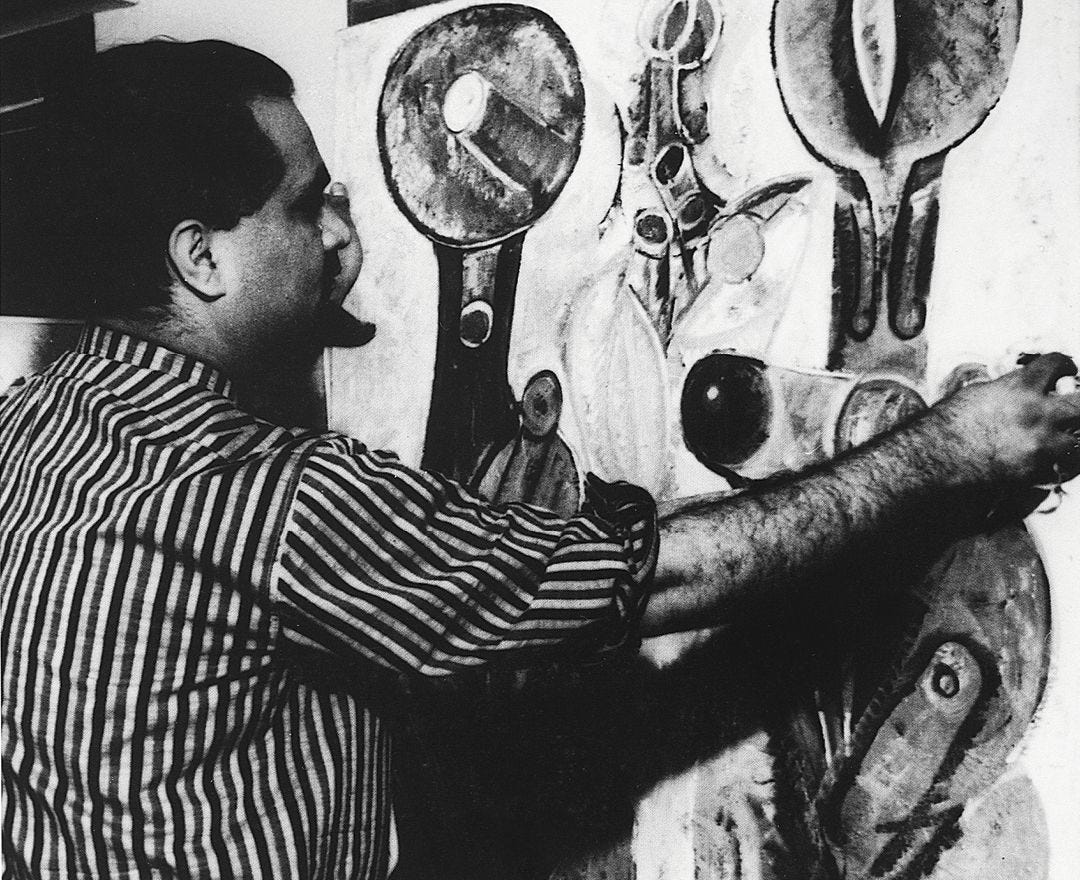
Avinash Chandra was born in India in 1931 and brought up in Simla and Delhi. He early showed a flair for drawing but it was not until 1947 when he entered the Delhi Polytechnic that he began to acquire a detailed knowledge of painting. At that time his main medium was tempera and in the works which he executed after he had joined the staff he expressed a youthful nostalgia for the trees and vegetation of the Punjab hills. […] The atmosphere of Delhi, however, failed to satisfy him and in 1956, he came to London and settled with his wife in the comparative seclusion of Golders Green.
W. G. Archer | The Studio
Chandra made a significant impact on the London art scene when he arrived in 1956. He brought with him the iconography of the Indian townscape, of course principally the roofs and spires of Shimla, his home town. Soon his work underwent a radical change. Liberated by his new surroundings, the structures of his painting became more expressive and organic; figures emerged as he began to emphasise the vitality and fecundity of the female form. This was strikingly different to what was happening with Indian art at the time. And the rest of his life, his work is defined by a daring spontaneity and exuberance which characterises the man and the artist.
Peter Osborne | Osborne Samuel Gallery
Avinash Chandra’s signature use of bold color and curvaceous form combines the artist’s sophisticated understanding of line with capricious and imaginative compositions. Changing his artistic style from structured cubistic compositions and naturalistic landscapes to looser, more whimsical displays of color, line and figuration in the 1960s, Chandra began to attract considerable attention in the British art scene. Speaking about his work from the period, the artist noted, “Mine was an upbringing that taught me to think in straight lines but, perversely, I had to think in circles […] As I painted, I found shapes thrusting upwards like plants or mushrooms, shapes that virtually exploded into life. This convulsive moment stimulated and excited me, and more drawings and paintings magically materialized.”
Christie’s
Art has always been, always will be, the essential instrument in the development of human consciousness.
Avinash Chandra